


 Shkruar nga Alberto Bellotto
For Mauro Gilli, Russian interventions in Poland and Estonia are a test of European resolve. If Moscow senses weakness, the pressure will increase…
Russian interventions along NATO's eastern border are increasing, a sign of a Russian military strategy.
Moscow is testing the timing and methods of European countries' response. This strategy is particularly dangerous given the difficult nature of European states' actions. Mauro Gilli, professor of strategy and military technology at the Hertie School in Berlin, says, "Lenin had a saying: 'go with the bayonet; if you feel metal, stop; if you feel soft, keep moving.' So from this perspective, there are objective reasons for concern, because it could lead to even more dangerous activities on the part of Russia."
He states that on the one hand, there is a technological gap, but not much, and a military gap in various sectors.
"Take ammunition, for example. The European NATO countries, as I recall, have about 5% of the ammunition reserves needed to defend the countries of Eastern Europe. It is clear that there is a big problem," he says.
Recently, we have seen drones in Poland, border intrusions in Estonia, and other similar phenomena: how can we interpret this change of pace from Russia?
There are two possible interpretations. The first, more optimistic one, sees these incursions as simple provocations by Russia, something it has always done. Think of the satellite signal that has been causing problems in the Baltic Sea and the northeastern countries since 2022.
The most pessimistic one, which I would agree with, is that these incursions could be an attempt by Russia to gauge Europe's response, that is, to see whether Europe is just talking or is willing to follow up its solemn declarations with action. Unfortunately, in this circumstance, Europe's behavior seems very hesitant. Go back 10 years later, when Russia was conducting incursions into Turkish territory. Turkey protested and in the fourth incident, it defeated the Russian fighter jet and the incursions have stopped since then. Lenin had a saying: "go with the bayonet; if you feel metal, stop; if you feel soft, keep moving." So, from this perspective, there are objective reasons for concern, because it could lead to even more dangerous activities on the part of Russia.
Are the Russian incursions part of an escalation?
It depends on how we interpret the facts. On the one hand, we can say that there has not yet been an escalation and there will be only if we react. But Russia's behavior is part of self-escalation. The Russian approach is that of a bully who wants to intimidate others in order to win and so with this attitude, it says: "I am convinced that you will not do anything". Of course there will be some who will deny this, who will say that it was an accident and who will identify the response as an escalation. But if we are reasonable people, we cannot separate the two. It is clear that it is Russia that is trying to increase the pressure.
Is this stance related to the meeting between Putin and Trump on August 15?
We can't know if the two are actually connected, but if we connect these incursions and put them in the context of the drone missile attacks on Ukraine, we see a strengthening of Russian aggression. And we can speculate about that. One is that Russia has basically realized that the Trump administration is quite indifferent or at least not going to be as reactive to it. The other is that Putin's Russia is telling us: "Look, we can do whatever we want."
What are the biggest risks for European NATO members?
The time frame we consider is very important. If we measure our timeline in weeks, the greatest risk is the downing of a Russian fighter jet or drone, causing casualties in a Western country and increasing tensions. If we look ahead 5 years, the risk I see is a strengthening of Russia’s position due to simple European weakness. A key principle of deterrence is to be credible. We can have all the weapons we want, we can have all the training we want, but if our adversary does not consider us credible, there is little we can do. If Russia believes that the threat of a European response is not credible, it has a strong incentive to continue with these actions. Consider the Ukrainian war, the war and invasion of Ukraine in 2022. Russia acted in this way because it knew that the Western response would ultimately be weak. Unfortunately, these considerations now seem to be missing, I don't mean completely, but mainly because of the way the European leadership approaches the Russian issue.
How do you evaluate the initiative as Guardian of the East?
I don't want to criticize this operation because it does something necessary, but this necessaryness is not sufficient.
What should Europe do to bridge the gap with Russia?
Nga njëra anë, ekziston një boshllëk teknologjik, por jo shumë, dhe një boshllëk ushtarak në sektorë të ndryshëm. Merrni municionet, për shembull. Vendet evropiane të NATO-s, nga sa mbaj mend, kanë rreth 5% të rezervave të municioneve të nevojshme për të mbrojtur vendet e Evropës Lindore. Është e qartë se ekziston një problem i madh. Kjo do të thotë që nëse Rusia do të fillonte të bënte atë që po bën në Ukrainë shumë shpejt, do të mbaronte raketa interceptuese. Por ka edhe mungesë raketash me rreze të gjatë veprimi. Në mënyrë të ngjashme, ka mangësi në sisteme që rrallë diskutohen, por janë absolutisht thelbësore, siç janë sistemet e komunikimit me rreze të gjatë veprimi, sistemet e paralajmërimit dhe avionët ushtarakë AWACS, të cilët kanë sensorë shumë të fuqishëm që na lejojnë të identifikojmë objektivat. Nëse kemi raketa me rreze të gjatë veprimi me saktësi të lartë, por nuk kemi një sistem që na lejon të identifikojmë objektivin për raketat me rreze të gjatë veprimi, jemi të padobishëm. Dhe pastaj është stërvitja, numri i ushtarëve. Këto janë të gjitha gjëra që duhen diskutuar sepse Evropa është vërtet në telashe pa mbështetjen amerikane." Nuk duket se ka asnjë diskutim se cilat vija të kuqe duhen ndjekur. Po, ka një pikë tjetër që nuk diskutohet mjaftueshëm, përkatësisht fakti që në nivelin politiko-institucional, nëse Evropa do t'i adresonte këto dobësi materiale, do të ekzistonte ende problemi i komunikimit efektiv dhe të qartë me Rusinë se nëse kalohen disa vija të kuqe, Evropa nuk do të hezitonte të përgjigjej. Ose përmes një forme parandalimi me ndëshkim ose parandalimi me mohim. Domethënë, raketat kanë filluar të lëshohen. Problemi është se vendet evropiane në thelb duan të kompensojnë mungesën e këtij aspekti të dytë duke investuar. Problemi është i dyfishtë sepse nëse investojmë të gjitha këto para në teknologji që nuk do t'i përdorim gjithsesi, atëherë po hedhim para. Rusia është shumë e vetëdijshme për dobësitë tona dhe në javët e fundit ka dashur të shohë se çfarë ka për të ofruar Evropa, jo ato materiale, por vullnetin politik për të ndjekur angazhimet e saj. Më duket se ato nuk janë ato që duhet të jenë.
Një nga çështjet më të ndjeshme të demonstruara nga inkursioni në Poloni dhe faza aktuale e konfliktit në Ukrainë ka të bëjë me përdorimin e dronëve. Cila është gjendja aktuale e luftës me dronë?
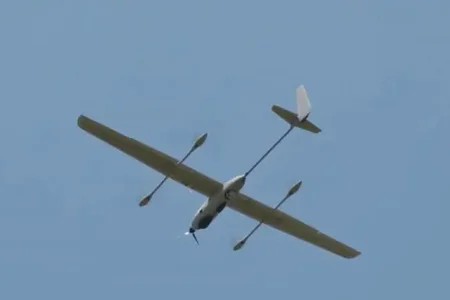
Një pikë paraprake është e nevojshme. Me dronë, nënkuptojmë një sërë asetesh, nga droni që mund të blihet në një dyqan elektronik për 400 euro deri te Global Hawk amerikan, i cili kushton 140-180 milionë euro. Le të përqendrohemi te Shahedët. Në strategjinë ruse, këto shërbejnë për dy qëllime. Kryesori është të detyrojë Ukrainën të shpërdorojë raketat interceptuese, duke shfrytëzuar hendekun e kostos midis të dyjave. Tjetri është qartësisht t'i imponojë shumë lehtë kosto njerëzore dhe shkatërrim Ukrainës për ta detyruar atë të dorëzohet.
Ndjesia që të krijohet kur përballesh me sulmet Shahed është se ato janë një mjet i vështirë për t’u ndaluar, kështu që të pyes, a ka aktualisht ndonjë sistem mbrojtës që të mbron nga ky lloj sulmi?
"Ekzistojnë teknologji që thjesht duhet të përdoren. Ky është rasti me Tucanos braziliane, mbi të cilat mund të montojmë mitralozë. Këta aeroplanë fluturojnë me një shpejtësi mjaftueshëm të ulët, kështu që nuk kanë të njëjtin problem si avionët luftarakë. E njëjta gjë vlen edhe për helikopterët. Disa kompani po zhvillojnë raketa interceptuese që janë shumë më të lira, gjë që do ta zgjidhte pjesërisht këtë problem. Pastaj ka edhe armë të tjera që mund të përdoren, mendoni për të njëjtin lloj rakete si Stinger të montuar në automjete, si ato nga Rheinmetall. Pastaj ka sisteme si armët me energji të drejtpërdrejtë ose lazerët me energji të lartë, megjithëse ato kanë kufizime sepse për lazerët me fuqi të lartë së pari ju nevojitet një gjenerator i qëndrueshëm energjie dhe ato i nënshtrohen kushteve atmosferike. Natyrisht, nuk ka zgjidhje që garanton 100% siguri, por midis teknologjive ekzistuese dhe atyre që po bëhen realitet, ekziston një mënyrë për të kufizuar efektivitetin e tyre."
Dhe të përdorin dronë kundër Shahedit?
"Po, është e mundur. Ne mund të përdorim ose zhvillojmë dronë që, ndoshta me një kosto pak më të lartë, por relativisht të arritshëm, mund t'i eliminojnë ato ose të paktën të zvogëlojnë kërcënimin e tyre. Ukraina, për shembull, i prodhon ato, dhe po kështu bën edhe Rusia. Tani ka video, jo të Shahed, por të dronëve FPV. Mund t'i shihni këto video ku një dron hedh një rrjetë dhe ndërhyn mbi dronin armik, ose të tjerë shënjestrojnë dronin armik dhe përplasen me të. Është interesante për mua sepse është pikërisht e njëjta dinamikë që pamë një shekull më parë në zhvillimin e aviacionit: aeroplanët e parë ishin të ngadaltë dhe fluturonin në lartësi të ulët, pastaj erdhi kërcënimi tokësor që i detyroi ata të fluturonin më lart, dhe më pas filluan të shfaqen avionë luftarakë interceptorë. Dhe kjo dinamikë matjeje dhe kundërmasash ka çuar më pas në një rritje të ndjeshme të performancës, dhe për këtë arsye në kompleksitet".
Në vitin 2025, Rusia kreu 34,000 sulme me dronë, nëntë herë më shumë se në të njëjtën periudhë të vitit të kaluar. Si ia doli Moska të ndërtonte këtë makinë prodhimi?
"I would say that affordability is an indicator of the lack of sophistication of the technology. The low cost tells us that, from a purely industrial point of view, it is relatively simple to produce. So Russia's big advantage in this regard is precisely that it can employ people aged 17 to 20, young women, old people or people without much experience in the sector. On the other hand, some can still be produced by experts, by specialized workers, because there is no other way to do it. But if you can allocate 80% or 85% of the production of one of these missiles to unskilled workers, that makes a big difference."
How far behind is Europe in this area?
For the low-end ones, there is no technical reason why Western countries cannot produce them. The problems arise when we are talking about some key components that we do not have, that is, we do not have manufacturers who can produce enough engines to power them. This is the case, wrote analyst Fabian Hoffmann, with miniaturized aircraft engines. There are no technological limitations, but problems with large-scale production. However, there is one final point that can be summed up in one question: 'what would these drones be designed for?'" If we say that they need to be very precise, then problems begin to arise because these drones are cheap precisely because they guarantee coverage of Russia and the ability to hit a specific target, namely a city or neighborhood. For Europe, this would not be enough. So when discussing these drones, it is also useful to consider the context in which we would like to use them, and I am not saying that they are useless, but we must be clear about the ultimate goal. That is, if we want to saturate Russian missile defenses in order to force them to waste interceptor missiles, great. But we need something that, if it is not captured again, will not hit schools or hospitals. We must make sure that it hits the target, a military target, so that then other considerations arise. / Adapted from Il Giornale/


Lini një Përgjigje