


 Shkruar nga Rebekah Kofflerish
In Europe, only a few countries have compulsory military service, and so far most others have not considered it an option. But in a protracted war, like the one Russia is fighting in Ukraine, the side with the most men is in a better position to win.
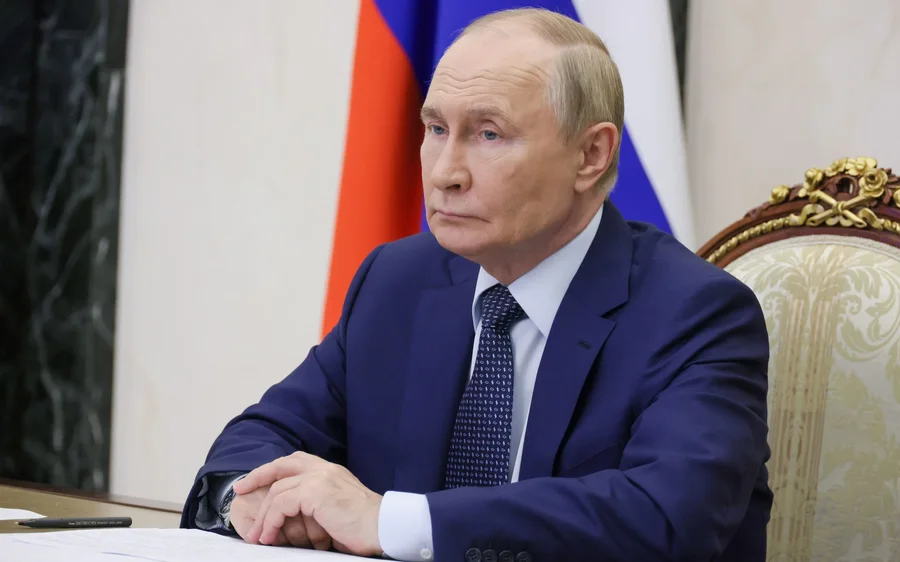
At the most recent NATO summit in The Hague, the alliance announced that members had set a new goal of spending 5 percent of their gross domestic product (GDP) on defense and security by 2035. Part of this decision may have been driven by the realization that Trump’s “shuttle diplomacy” by envoy Steve Witkoff and Europe’s denunciations of Vladimir Putin will not be enough to end the war in Ukraine. But more fundamentally, members are recognizing the need to deter Russia from attacking a NATO member state, and, according to Mark Rutte, the alliance’s secretary general, it could be ready to do so within five years.
As a military intelligence analyst specializing in Putin’s thinking and Russian military strategy, I agree with Rutte’s assessment of Russia’s readiness for a new military campaign within a few years. I am less convinced that a NATO country is the Kremlin’s next target, unless the alliance intervenes directly in Ukraine by sending troops to the battlefield. However, what NATO does or does not do in the coming years could be extremely important in determining whether Putin decides to attack another post-Soviet state like Moldova.
The problem is that increasing spending on defense and security-related areas is not enough on its own to solve the problem. Money and technology, which are the basis of Western warfare, do not prevent or win wars in themselves. Strategy does. And a successful strategy must be based on a deep understanding of an adversary’s way of fighting, addressing key elements of his military planning.
I briefed NATO members on Russia’s war strategy in September 2013, just months before Putin’s invasion of Crimea. Unfortunately, the Pentagon and its NATO counterparts failed to develop a counter-strategy. This led to Putin’s invasions.
Russian strategy, developed by the Russian General Staff and often called “asymmetric warfare,” draws heavily on the classic works of British strategist Sir Basil Liddell Hart. He promoted indirect methods of fighting an opponent, rather than the use of brute force. The essence of this approach is to avoid the enemy’s areas of strength and focus on exploiting his weaknesses and vulnerabilities.
Of course, the war in Ukraine has developed into the conflict that Russia is actually seeking to avoid. But that doesn't mean the Kremlin has fundamentally changed its approach to conflict, especially when faced with new adversaries.
While NATO armies are technologically more advanced than Russian forces, Moscow knows it will have to rely on taking the strategic initiative during the initial period of any future war. It will not seek a repeat of what happened in Ukraine.
The Russian plan is to undermine NATO’s approach to network-based warfare by disrupting its forces’ “kill chain” – the process that allows military decisions to be made to detect, target, and destroy adversaries. This could be achieved by targeting, perhaps as a precondition, the C4ISR (command, control, communications, computers, intelligence, surveillance, and reconnaissance) and space systems on which NATO forces depend.
Therefore, NATO members must do more than just spend money. They must understand what the Russians consider to be the alliance's weaknesses and take action to remove the Kremlin's incentive to exploit them.
There are five main areas that require action:
Providing space infrastructure
Russia has a powerful arsenal of anti-space weapons designed to damage or destroy U.S. and allied satellites. They include GPS jamming systems, lasers, orbital interceptors, and anti-satellite missiles. The U.S. Office of the Director of National Intelligence warned in its 2025 Annual Threat Assessment that Russia is training its space forces, fielding new anti-satellite weapons, and using electronic warfare against Western assets. Moscow is also developing a new satellite that could carry a nuclear weapon as an anti-satellite capability.
Strengthening critical infrastructure against cyberattacks
Rusia ka një nga arsenalet më shkatërruese të armëve kibernetike në botë, një doktrinë të sofistikuar dhe ekspertizë të avancuar. Vlerësimi Vjetor 2025 paralajmëroi për sukseset e përsëritura të Rusisë në kompromentimin e objektivave të ndjeshëm për mbledhje inteligjence. Moska ndoshta tashmë ka akses në infrastrukturë kritike në SHBA dhe Evropë. Rusia ka forcë dhe eksperiencë praktike në integrimin e sulmeve kibernetike me operacionet ushtarake në kohë lufte.
Vendosja e protokolleve më të forta për mbrojtjen e kabllove nënujore të komunikimit
Drejtoria Kryesore e Shtabit të Përgjithshëm rus ka një program hulumtimi shumë sekret të thellë në det, të njohur si GUGI. Moska është shumë e mundshme që ta ketë përdorur këtë ekspertizë në praktikë, me disa operacione të dyshuara sabotazhi të kabllove nënujore në Detin Baltik që nga fillimi i luftës në Ukrainë. Një rrezik i ngjashëm ekziston edhe për tubacionet e energjisë. Në tetor 2022, Ministria e Mbrojtjes së MB pranoi se një fregatë e Marinës Mbretërore u vendos në Detin e Veriut për të ndihmuar forcat norvegjeze në mbrojtjen e tubacioneve të gazit, pas shkatërrimit të Nord Stream në Detin Baltik.
Mbrojtja e fortë kundër spiunazhit rus
Nuk është nevoja të thuhet që Rusia infiltron rregullisht spiunë në gjithë Evropën dhe rekrutë vendas për të vjedhur sekretet ushtarake, politike dhe ekonomike. Por Moska ka futur gjithashtu agjentë inteligjence për të kryer operacione destabilizuese, duke synuar infrastrukturën kritike. Disa vlerësime sugjerojnë se këto operacione sabotazhi janë katërfishuar midis viteve 2023-24. Janë bërë disa arrestime, përfshirë në Gjermani, Poloni dhe MB. Por aleanca duhet të ketë një qasje më proaktive, duke neutralizuar dhe ndërprerë operacionet spiunazhit rus para se të shkaktojnë dëme.
Krijimi i avantazhit në potencialin e plotë të luftës
Duke kaluar në një gjendje lufte disa vjet para pushtimit të Ukrainës, Rusia tani prodhon më shumë municione në tre muaj sesa Europa në një vit. Rritja e prodhimit të sistemeve të mbrojtjes ajrore, tankeve, dronëve dhe municioneve është thelbësore që NATO të kapërcejë Rusinë dhe të rivendosë arsenalet e saj të shterura.
Megjithatë, armët nuk qëllojnë vetë. Aleanca duhet të rekrutojë, trajnojë dhe pajisë një forcë luftarake të mjaftueshme për të ndryshuar llogaritjen e Putinit. Moska ka mobilizuar hapur dhe fshehurazi gjatë luftës së saj tre vjeçare e gjysmë në Ukrainë. Dhe të martën, një projektligj u paraqit në Duman Shtetërore që parasheh regjistrimin vjetor të detyrueshëm për shërbimin ushtarak. Nëse miratohet dhe nënshkruhet nga Putini, ligji do të hyjë në fuqi më 1 janar 2026.
Në Evropë, vetëm disa vende kanë shërbim ushtarak të detyrueshëm, dhe deri tani shumica e vendeve të tjera nuk e konsiderojnë këtë opsion. Por në një luftë të zgjatur, si ajo që Rusia po lufton në Ukrainë, pala me më shumë njerëz është në pozicion më të mirë për të fituar.
The good news is that the alliance has time to prepare to prevent another invasion. It would be tragic if NATO failed to react now, especially given the colossal price Ukraine is paying to defend itself from the Russians. NATO owes it to all those Ukrainians killed and their families to develop a viable counter-strategy to Putin’s scenario./ The Telegraph
*Rebekah Kofflerish, former strategic military intelligence analyst at the U.S. Defense Intelligence Agency and author of The Putin Handbook.



Lini një Përgjigje