


 Shkruar nga Pamfleti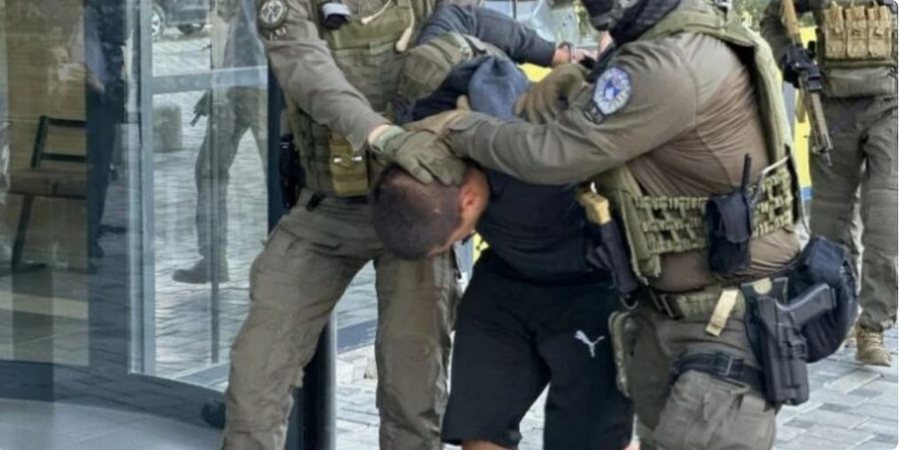
Kosovo police have arrested 16 Serbian citizens, including several active officers of Serbia's security services. The news was announced by the acting Minister of Internal Affairs, Xhelal Sveçla.
The first group, consisting of four people, was arrested in Gjakova, while 12 others were captured in Prizren. The arrested were traveling in four vehicles registered in Kragujevac, Serbia. During the search, evidence was found linking these people to Serbian military intelligence and to the terrorist group that participated in the armed attack in Banjska. Among the evidence seized were photographs of a map of Kosovo, images of killed members of the Banjska terrorist group, two knives, an axe and a rotating light.
In Gjakova, the arrested were: Branko Rakic, Nemanja Vamokic (police lieutenant), Pavle Kragovic, and Milovan Stevic (captain in the Serbian army). Svečla also announced that the 12 arrested in Prizren were sheltering in the Bogoslavia Orthodox Seminary, and among them were two active officers of the Serbian security services. One of the arrested was identified as a relative of Vladimir Radivojevic, known as “Mami”, suspected of the murder of Afrim Bunjaku, while another was a captain first class in the Serbian army, reports Telegrafi.
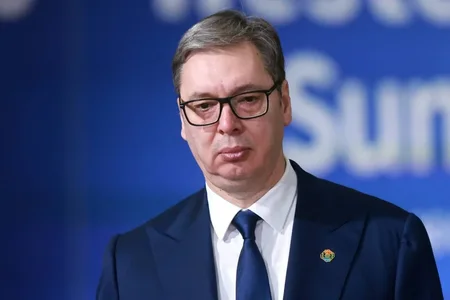
These people have been detained for 48 hours, according to a prosecutor's order. Acting Prime Minister Albin Kurti has raised the alarm about Serbia's efforts to hinder the formation of new institutions in Kosovo, including by influencing non-Serb MPs. He accused Serbian President Aleksandar Vučić of providing support to the Serbian List and Milan Radoić to achieve this influence.
The Kosovo Police, through the response of the Regional Police Directorate in Gjakova, has emphasized the commitment of its officers to prevent suspicious activities. Some of the 12 people arrested in Prizren have been released, while two have been detained for falsely presenting themselves as members of the MUP.
Reactions have also come from the Diocese of Raska and Prizren, which denied the accusations of abusing the religious institution for political purposes. On the other hand, President Vučić defended the actions of the arrested, saying that they had traveled to visit monasteries and the seminary, and that the evidence found was false.
This incident has raised concerns about security and the possibility of activities by groups linked to illegal Serbian structures on the border between Kosovo and Serbia.



Lini një Përgjigje