


 Shkruar nga Gjergj Zefi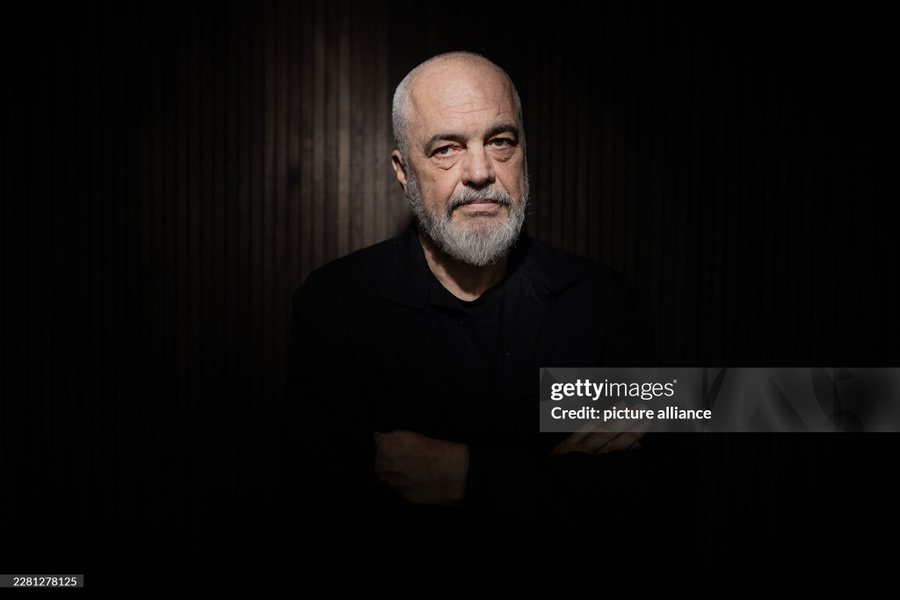
Leadership is not only measured by the ability to win, but also by the wisdom to leave at the right time...
There comes a point in every leader's life when the biggest challenge is not winning elections, defeating opponents, or administering power. The real challenge is understanding when enough is enough.
Edi Rama is entering his 21st year at the helm of the Socialist Party today. No other leader in the history of the Albanian socialists has remained so long at the helm of this political force with such concentrated power. During this time, the Socialist Party has been radically transformed. Internal debate has faded, influential political and academic figures have left one after another, and collegial forums have lost the influence they once exerted in decision-making.
Today, in the Socialist Party, there are almost no public voices opposing the president. Not necessarily because there is a lack of different opinions, but because they are not articulated. A party that once produced political debate, today gives the impression of an organization where decisions come down from above and are approved without opposition.
This is the paradox of any long-term government. The longer it lasts, the fewer people remain close to the leader to tell him the truth. A circle of approvers, not opponents, is created around him; people who applaud more than they advise. And that is where the greatest danger for any leader arises: isolation from reality.
Gabriel García Márquez wrote the novel "The Colonel Has No One to Write to," a story of waiting, loneliness, and silence. In politics, a similar phenomenon often occurs. "The Colonel" has no one to write to.
Gabriel García Márquez described the colonel as a man waiting for a letter that never arrived. In politics, the opposite happens. After many years in power, leaders no longer wait for letters; they miss someone who can write them the truth. Someone who can tell them that power is not property, that time forgives no one, and that one of the greatest virtues of a leader is knowing how to leave before history forces him to do so.
Political history, in Albania and around the world, has shown that leaders are judged not only by how they rise to the top, but also by how they descend from there. Those who know how to leave at the right time leave behind a legacy. Those who believe they are irreplaceable risk fading what they built over the years.
One of the rarest qualities of leadership is the ability to understand when enough is enough. Understanding that an organization needs new ideas, new energy, and a new generation of leaders is not weakness; it is political maturity. On the contrary, attempting to identify the fate of a party with the fate of a single man is the first sign of the exhaustion of power.
No one can deny Edi Rama the influence he has had on Albanian politics. He has been its main protagonist for more than two decades. But precisely for this reason, the question that arises today is not whether he can continue to remain at the helm. The question is whether Albania and the Socialist Party itself are better served by the continuation of a centralized model or by opening a new chapter.
Because history doesn't just remember those who won. It also remembers those who knew how to stop at the right time.
And perhaps, in the end, the most sincere message that could be sent to any long-serving leader is simple: nothing is eternal. Eternity is the illusion that history has always shattered./ Pamphlet





Nuk eshte as e dobishme te perkedhelesh sedren e poturembushurit. Eshte mafioz delirant i kapur ne çark, ai do donte te largohej, por s'e lene....TE TERE.
Çudia eshte pse kta qe e mbajne veten si socialiste te vjeter, prof,akademik etj. etj te ksaj race heshtin dhe miratojne gomarlliqet e psikopatit edvin rama. Nuk du ta besoj se brend socialisteve 24 karatsh jo psikopat nuk ka kapacitete per te drejtuar e qeverisur. Nuk jane vec Ervion Brace, Pand Majko leshi etj te ktij kallupi. Ditmir Bushati eshte aseti qe shum mire mund ta zvendesoj psikopatin Ed Rama. I ka te gjitha qe duhen per te qetesuar situaten e cmendurise ku e ka katandis i cmendmi.
Gjergj Zefi! Korronelit të Markez nuk kish kush ti shkruante, por gjeneralëve tanë politik ju shkruan me mijra qytetar. Me mijra ju shkruajtën gjykatave. Por gjykatave dhe krejt sistemit të drejtësisë mulliri ju punonte ashpër për qytetarët. Ndaj qytetarët ikën nga sytë këmbët. Gjeneralëve tanë politik i shkruajtën aleatët tanë perëndimor. Reformën në Drejtësi. Në pamundësi ta kundërshtonin e miratuan me 140 deputet me shpresë që ta sabotonin shkallë shkallë. Do duhej të kishte ndryshim apo jo? Fakti që korrupsioni dhe lidhja me krimin u zyrtarizua u shtua dhe ngjiti shkëllët deri në majë , tregon se në vënd të reflektimit u zgjodh demagogjia, për tu hedhur hi syve qytetarëve dhe partnerëve. Sot qytetarët në shesh të mejdanit, nuk kërkojnë rotacion politik, as riformatim të qeverisë, as daljen në shesh të burrave të liderëve që Edi Rama i paska vënë përpara dhe ju paskka shkelur të drejtat. "Fjala pas kuvëndit nuk ka vlerë". Ikën vetë si "kaposhi plotë", por lanë trashëgimtarët . Ndaj çfarëdo riformatimi qeverie nuk ka vlerë. Koshi i qershive është pshurrur i gjithi nga korrupsioni. 'Veting pasuror dhe moral' për të gjithë politikanët e çdo niveli që kanë administruar dhe ushtruar pushtet. Plaku i moçëm kur e dërgonte nipçen për të mbushur uji te kroji , e kapte për veshi dhe e porosiste:" Kujdes mos thyesh shtëmën". Pa hetim, pa gjykim dhe pa konfiskim të pasurive të vëna në shkelje të ligjit dhe të drejtave të tjetrit, nuk ka besim te askush. "Besimin e vranë" më thosh një i ri te sheshi para kryeministrisë.