


 Shkruar nga Artes Llazani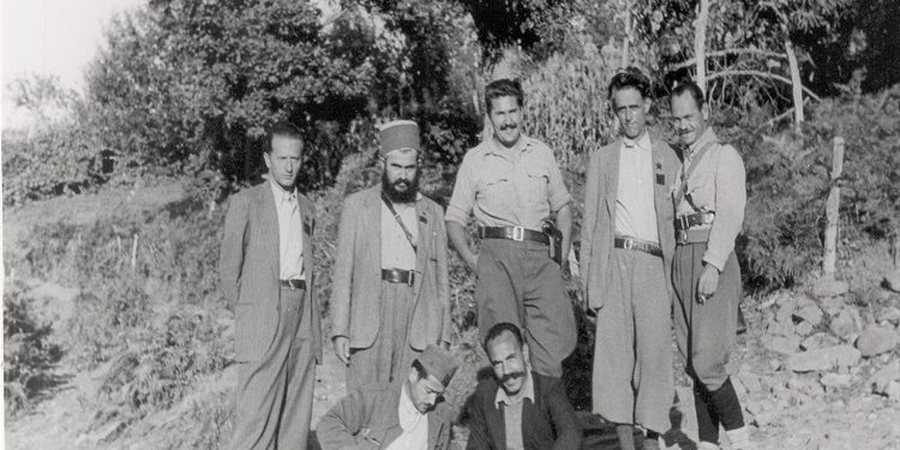
An assassination in the middle of Pristina. Then a suicide. Was the murder of Miladin Popović a nationalist act by Haki Taha, or an elimination of the UDB? What is hidden behind the murder of Enver Hoxha's Montenegrin friend?! Whether the five partisan guards, who guarded the commander of the Kosovo district, on March 15, 1945, were playing a real game of chess, or a forced move of pieces, this has remained an enigma in itself! But, it is certain that their attention was slightly disturbed by the tall figure of a 28-year-old, who did not speak to them and directed his green eyes towards the entrance to the building of the Kosovo Provincial Committee.
A few minutes later, these same slightly more blurred eyes turned towards the exit, again without attracting attention and without disturbing the game of the Yugoslav partisans. At the moment that Miladin Popovic would be found executed with three bullets, two in the chest and one in the head, on his work table, according to a Balkan version of the "herostrat", with the remaining cartridges of the 15, the bloodthirsty Haki Taha would kill himself publicly in the center of Pristina.
What happened in mid-March 1945, a few months after Kosovo was "liberated", is one of the rare stories that, even if there were a different "version" of events, would still give the victim and the murderer the same fate. Both would have died of tuberculosis.
But, if the Montenegrin Miladin Popovic, of course, would have lived a little longer, the bloodthirsty Haki Taha, in March 1945, lived his last days in this world. For a man condemned by nature to an untimely death to commit a murder, this is a historically acceptable fact. But, this was never an explanation for one of the most mysterious historical murders, which connect Albania with Kosovo.
No one could say that the Kosovar Taha killed Miladin Popovic, a figure of unusual proportions for the time, only out of despair at the death that awaited him. After that day, both became heroes of their own kind, for parties that would never have common interests. On the assassination, the two figures and their past, the two greatest alibis of this event were also raised, which served politically for a long time.
The few surviving witnesses say that the nationalist Hakiu killed the communist who had collaborated closely with Enver Hoxha for selling out Kosovo and being one of the main causes of the final division of the two parts with one ethnicity. Meanwhile, for more than 40 years Enver Hoxha said, convinced, that at the end of his life Taha was used as the UDB's best suicide bomber, to eliminate one of the most pro-Albanian Yugoslavs.
Tito's birthday or Enver's "Ali"?
I pari që e ndjeu fundin e keq të bashkëpunëtorit të tij malazez qe Enver Hoxha. Tre muaj para se të çlirohej Shqipëria, gushtin e vitit 1944, marshalli Tito dërgoi urdhrin se Milladin Popoviqi duhej të kthehej në mënyrë urgjente në Jugosllavi. Kasnecët e Titos i kthyen mbrapsht Hoxhës kërkesën që Milladini të qëndronte edhe disa muaj pranë tij, duke thënë se; “Popoviqi po dërgohej për një detyrë tjetër dhe duhet të raportonte për gjendjen në Shqipëri”. Enver Hoxha i lejoi vetes vetëm një pyetje: “Me ç’rrugë do të shkonte Milladini në Jugosllavi”? – “Mal më mal – i përgjigjen, – jemi akoma në luftë”.
Kjo alternativë iu duk e rrezikshme diktatorit të ardhshëm shqiptar. Për njeriun që i kishte ndenjur afër për katër vjetët e luftës me një besnikëri të çuditshme për llojin që i përkiste, Hoxha ndërmjetëson edhe tek aleatët. Ai u kërkon oficerëve të misionit anglez në Shqipëri, që me anijet ose aeroplanët, që shkonin në Itali, ta kalonin edhe Milladinin.
Gjashtë muaj para se të vritej Milladin Popoviqi, mbërriti në Bari me emrin shqiptar “Ali Gostivari”. Po pse duhej të kishte frikë Enveri për jetën e Milladinit? Të fundmit jugosllav që kishte mbërritur me misione “bashkëpunimi” me komunistët shqiptarë, nuk kishin gjetur shumë pika të përbashkëta me malazezin Milladin Popoviq, që Enver Hoxha e kishte kthyer në “Ali Gostivarin”. Por, kjo nuk ishte hera e parë që shqiptarizimi ose më mirë enverizmi i Milladinit, i bezdiste njerëzit e Titos.
Popoviqi kishte mbërritur në Shqipëri verën e 1941-it. I arrestuar nga fashistët në Mitrovicë, ai ishte dërguar në një kamp përqendrimi. Lirimi i tij nga burgu ishte aksioni i parë që ndërmorën së bashku, para themelimit të PKSH-së tri grupet komuniste shqiptare dhe ndoshta favori i parë që Milladini i kishte borxh ose, “ia dinte për nder” Enver Hoxhës.
Që nga kjo kohë, Popoviqi u bë i pranishëm në thuajse që të gjitha lëvizjet e kreut të komunistëve shqiptarë dhe i vetmi jugosllav, që ia përkrahte idetë edhe kur “qendra” ishte kundër. Influenca e tij tek Enveri ishte e deklaruar. Por, i pranishëm në mbledhjen themeluese të PKSH-së, Milladin Popoviqi së bashku edhe me Dushan Mugoshën, u bënë zemra e një konflikti që do të vazhdonte gjatë mes komunistëve kufitarë.
“Jugosllavët hodhën pretendimin se dy komunistë jugosllavë, e kishin fjalën për Milladinin dhe Dushanin, krijuan Partinë Komuniste jugosllave”, thoshte Enver Hoxha, duke shtruar me bindje se; “Milladini asnjëherë nuk i ka veshur vetes merita që nuk i takojnë… përkundrazi, hidhte poshtë çdo aluzion që mundoheshin t’i bënin të dërguarit e Titos për t’i atribuuar një rol që nuk i takon”.
Por, Milladini u bë “jugosllavi internacionalist”, që megjithëse zyrtarisht nuk u quajt kurrë i dërguari i Titos, ishte nyja e marrëdhënieve shqiptaro-jugosllave e viteve të luftës.
Enver's supporter in opposing the creation of an inter-Balkan headquarters, the breakup of the Mukje agreement, the results of the Bujan conference, Miladin became the only Yugoslav that the Albanian communist leader trusted. In the first traces of the "Yugoslav betrayal", Enver simply wanted to preserve the life of his Montenegrin confidant.
Assassin between nationalism and UDB
"Haki Taha, as the nationalist that he was, killed Miladin Popovic because he had torn up the text of the Mukje Agreement and together with Enver had left Kosovo for the second time outside the borders of Albania." This is the version of all those who knew Haki Taha from Gjakova and who are still alive.
"Haki Taha belonged to that category of Kosovars who, knowing both sides of Albanian reality, expected that the post-war period would bring the unification of Albania with Kosovo," says Sadik Bekteshi, one of the assassin's friends in the "Malet Tona" dormitory, when Haki was attending Shkodra high school before the war.
"He was a nationalist at school and often insisted in our conversations that we had to find the moment to unite," says Sadiku. After graduating from Shkodra high school, Haki Taha, at the age of 23, continued at the "Normal" in Elasani, but the beginning of the war brought him back to Kosovo.
One of the enigmas that accompanies the nameless act of Miladin's assassin is his last visit to Albania. Haki Taha is in Shkodra in the summer of 1944, at the same time that Miladin Popovici had received the order from Tito to leave for Yugoslavia and was expected to cross the border from Shkodra.
The only one who doubts that Haki Taha had prepared the assassination attempt on Popović well in advance, before March 1945, is the nationalist, Zija Muka./ Memorie.al




Lini një Përgjigje