


 Shkruar nga Pamfleti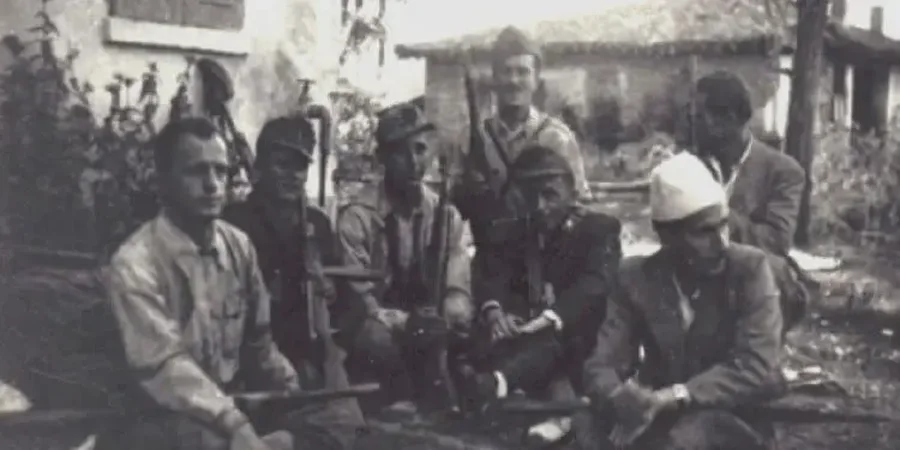
Tribute on the occasion of the anniversary of the reburial of 67 innocent people shot by Mehmet Shehu, in Matjan of Lushnja-
The massacre that Mehmet Shehu carried out in the village of Matjan in Lushnja (some call it the massacre of Garunjas, some of Golem), in October 1943, is one of the most savage in the history of the Second World War in Albania and contradicts the communist historiography, which claimed for 50 years, that; The National Liberation War did not have a fratricidal character, but was a movement for national liberation. The massacre preceded the civil war, where the seizure of power was the main goal of the Communist Party, which instead of fighting the occupier, incited hatred and turned the gun on the nationalist brothers.
That day cannot be removed from my memory, even though 20 years have passed. We climbed with difficulty towards Maja e Shkujka, to go to the place where the massacre took place, in the village of Matjan (in fact, as a place of residence of the "enemies", it was never called a village, because they left it anonymous, for the sake of biography. ) The ascent is steep and the feet slip from the rocky ground. Although it does not exceed 200 meters, Shkujka seems unreachable, if you take into account its ascent, from the plain to the hilly level. This is also called the "Hill of the Sign", of taking a sign.
In fact, it is a dominant hill of Lushnja's Daresë, it has been strategic in the clashes of the invading or transiting armies. It is a designation you may encounter in military topography. While the locals break down the toponym "Shkujka" differently - The water went away; the water went. The village at the foot of the hill, Shegasi, has a lot of pomegranates, but no water. Once the water exploded on top of the hill, but the shepherds, according to the legend, filled the bursting well with their sheep and wool and from that day, the water went from those hills.
Precisely in the distant autumn of 1943, on the serpentine road that twisted between the rocky massifs, the column of the boys of Myzeqe, who had accepted the call of the "National Front" to liberate the homeland, was also dragged. They were disarmed in the Golem Village and handcuffed like that, barely able to climb up the hill to catch their breath. Where were they taking them? No one knew! It was whispered that the terrible Mehmet Shehu, the commander of the Partisan First Assault Brigade, was waiting for them there.
Those who accompanied them did not tell them anything, but they were told that; they would take them there to the partisan headquarters. When we got to the top of the hill, and looked down on the plain of Myzeqe, it seemed to us that we were standing on a giant balcony, where the eye could see behind the plain and the hills of Gërmen, the blue of the Adriatic Sea.
At that time I was leading the Association of the Politically Persecuted of Lushnja. I was also part of the Pluralist Executive Committee. The secretary of the Pluralist committee, journalist Dalip Greca, was with me. He was part of that area and knew well the terrain, the people, and the tragic event that had happened. His village was a neighbor of the Matjans. His contribution to that reburial was appreciated by the Society of the Persecuted. The residents of Matjani gathered quickly as soon as we got down to the village. Met Matjani and Faik, they give us hospitality. Other neighbors had also come, having just heard about the purpose of our visit there.
An elderly lady told us: "I was a newly arrived bride when the massacre happened. At night, dogs and wolves howled with blood. The village was surrounded by forests. It was a warm autumn when those poor people were killed. At that time, we brought the cattle to rest at home until afternoon and let them out again, in the woods and meadows. I was also driving the cattle together with my brother-in-law. They had done the slaughter, but we heard a prolonged groan, which made us sick to our hearts. The poor man had lost his spirit and he, the wild commander, had ordered a partisan maid, that moaning is disturbing my sleep. What are you waiting for? A gunshot was heard and the voice was heard..."!
One of the elderly told us: "There were more than 200 ballistic prisoners that the partisans had brought before the commander Mehmet Shehu. Some of those who had acquaintances in the ranks of the partisans escaped; others were called: Whoever joins us, his life is spared. In the ranks of the ballistas, there were also young people aged 16-17, there were also 65-year-olds. Most were over 20 years old. Some were waiting for the wedding day, some had left the brides at home, others the children.
Most of the ballistas had turned their eyes to Rakip Xhepa. Mehmet addressed to him: Join us? - 'I'll become a pig and a communist, No!'- answered Rakipi. That was all it took and the crimes had claimed the lives of innocent Albanians. 67 innocent lives were lost. For 45 years, all the families of the murdered were treated as families of the "class enemy", where the biography destroyed other lives, left hundreds of young people uneducated, and served as a contingent to fill the prisons.
Honoring the victims
Albanian society had not yet been freed from the nightmare of communism, when the Association of the Politically Persecuted of Lushnja, together with the Pluralist Committee, made the decision to honor the victims. It took a strong confrontation, with the association of Veterans of the district, who continued to call the gunned down "enemies". Argued until midnight, but they did not give way. They even warned that the city would be against us on the day of the burial of the bones and that they would work against it. We tried to convince them, but when we saw that everything was in vain, we also forwarded the decision of the Pluralist Executive Committee of the district, that the burial would take place next to the plot, where the Martyrs Cemetery of the district was.
Ky vendim i zemëroi edhe më shumë. E braktisën takimin që u organizua në zyrën e sekretarit të Komitetit Ekzekutiv, detyrë që atë kohë e kryente Dalip Greca. Nuk u tërhoqëm. Ekipi i shoqatës, i drejtuar nga Esat Çoku, kryetar dhe i mbështetur nga Vasil Sylari, Hajdar Xhafa, Naim Staravecka, Sherif Kaloshi, Njiazi Bylykbashi, e të tjerë, nuk u tërhoqën, edhe kur veteranët paralajmëruan, se do të bënin gjithçka që ky aktivitet të dështonte. Në debat me ta, mbaj mend se u thashë: “Ju nuk po pranoni pajtimin e të vdekurve, po si do të pajtoheni me ne të gjallët, që na keni burgosur e persekutuar”?!
Pasi i mblodhëm eshtrat e të pushkatuarve, i futëm në arkivole, i zbritëm në qytet, nga të gjitha anët vërshuan kërkesa nga të afërmit e viktimave: “Na i lini një natë t’i qajmë në shtëpitë tona”! Shumica ishin nga Divjaka dhe Çerma. Ua dhamë. Ishte një takim i dhimbshëm, mes të gjallëve dhe të vdekurve. Një solidaritet i jashtëzakonshëm i qytetarëve të Lushnjës, Divjakës, Çermës dhe zonave përreth. Ata shkonin dhe ngushëllonin dhe i qanin me ligje sipas zakonit.
Nuk i kishte qarë njeri, në kohë-vdekjen e tyre. I kishin groposur si kafshë, në një faqe kodre, duke hapur një gropë të madhe atje tek Matjanët. Një miting i përmortshëm me një pjesëmarrje të madhe, u organizua në qendër të Divjakës nga Shoqata e të Përndjekurve, mbështetur nga Partia Demokratike dhe Partia Republikane.
Në krye ishin; mjeku antikomunist Ihsan Çabej, Seit Prishta, Jovan Rudha, Llazar Sako, Perikli Sota, Xhevit Çela, Gëzim Hajdari, Ilir Zhiti, Hajdar Qerreti, Ylli Sefa, Fred Haxhiu, Liliana Beçka, e shumë të tjerë. Një montazh letrar i përcjellë nga Perikli Sota, e bëri turmën të përlotej. Telekronisti Viktor Davidhi, e filmoi të plotë procesionin. Gazeta “Ora e fjalës”, shkroi reportazhin e ceremonisë. Dua të veçoj kontributin dhe mbështetjen e kryesisë së Komitetit Ekzekutiv të rrethit, Fetah Elezi – kryetar, Seit Prishta-zv/kryetar dhe Dalip Greca – sekretar. Ata ishin njësh me Shoqatën e ish-të Përndjekurve dhe Burgosurve Politikë, në të gjitha fazat e ceremonisë, caktimin e vend-varrimit, nxjerrjen e fondeve dhe gjithçka tjetër.
Dita e 11 shkurtit dhe mungesa e kërkimit të faljes!
Dita e 11 shkurtit, ishte e veçantë në qytetin e Lushnjës. Sheshi kryesor i qytetit, ishte i vogël për ta mbajtur gjithë atë turmë. 67 arkivole, i prinin marshimit drejt kodrës së Varrezave të Dëshmorëve, ku do të varroseshin edhe ata që qenë konsideruar “armiq”. Lushnja e fiseve të përndjekura; Sefajt, Korreshët, Çelajt, Xhindolët, Murrizët, Sinajt, Kërçit, Matjanët, etj., së bashku me banorët e persekutuar, të ish kampeve të internimit të Gradishtës, Grabianit, Savrës, Gjazës, Plukut, Çermës, etj., kishin zbritur atë ditë në shesh, jo për hakmarrje, por për dinjitet dhe nderim të viktimave.
Sa shumë lule kishin sjellë lushnjarët atë ditë morti! Nga altoparlantët e vendosura nëpër shtyllat e rrugës, dëgjohej apeli, emër për emër, i 67 burrave që nga “tradhtarë” të shpallur padrejtësisht, po ktheheshin në shtratin e lavdisë së munguar për 48 vite. Mbaj mend se në fjalimin përcjellës, u kërkova ndjesë të pranishmëve, se për të nisë atë fjalë përcjellëse, kisha marrë hua një shprehje të Patër Anton Harapit, tek po përcillte eshtrat e Çerçiz Topullit dhe Muço Qullit, në vitin 1936:
“Ndalni burrat e Gjirokastrës, Shkodra e ka një fjalë me Ju”! Këtë thirrje, doja t’u drejtoja sot para se këto arkivole t’i fusim në dhe’ edhe atyre martirëve që u ndëshkuan me plumba, pa bërë asnjë faj. Atë fjalë desha t’u përcillja edhe unë dëshmorëve tanë, që u ndëshkuan pse luftuan për Shqipëri etnike, ndryshe nga komunistët, që donin një Shqipëri, pa Kosovë e pa Çamëri, në miqësi me sllavët”.
Dhe shpalosa para turmës që lotonte fjalë zemre. Ceremonia e varrimit ishte madhështore. Veteranët na vëzhgonin nga larg. Nuk u ndjenë mire, që “armiqtë” e shpallur nga ata, u varrosën pranë e pranë dëshmorëve. Ne në fakt, kishim pajtuar të vdekurit, por jo të gjallët. Ne as sot s’ndjehemi të pajtuar! Si do të ndjehem unë i tillë, kur në Parlamentin Shqiptar, bashkë me mua, si deputet i Partisë Demokratike, ishte edhe ai i Partisë Socialiste, ish-hetuesi im?! Si do të ndjehej familja ime, që për 45 vjet, u burgos e syrgjynos burgjeve dhe bëri jo pak, por 70 vite, babai, dy vëllezërit dhe unë?!
As hetuesi im, nuk më tha një here “më fal”, qoftë edhe për formalitet a kortezi njerëzore. E prita këtë ndjesë, që ai ta shqiptonte nga foltorja e Kuvendit, por jo, nuk e pati kurajon. Madje, as kur ia kërkova unë. Si do të ndjehemi të pajtuar, ku të gjithë ishët dhe bijtë e “Bllokut”, kërkojnë ende revansh, në radhët e Partisë Socialiste? Si do të çlirohet Shqipëria, nga e djeshmja e tmerrshme, kur Ministri i Brendshëm i fundit të kohës së diktaturës, është 20 vite aktiv në politikë?!
Lista e 67 ballistëve, që u pushkatuan nga Mehmet Shehu
Ndoni Miti Sako, Fani Zoi Trungu, Gori Siku Todi, Jani Spiro Gjeka, Jorgji Spiro Gjoni, Jorgji Xhovan Lala, Kozma Andon Zhuka, Nasi Spiro Zhuka, Koli Xhovan Tashi, Kristo Joti Shkoza, Loni Naun Bita, Llazi Llambi Prifti, Liti Nasi Shkoza, Mihal Tasi Bita, Nasi Llazi Janko, Nasi Simon Sako, Nasi Leksi Zaho, Perikli Kozma Prendi, Pali Teni Zaka, Ristan Gjergji Bani, Simon Nuni Gjini, Stefan Ndoi Prendi, Trifon Leksi Gjeka, Trifon Kozma Gjoni, Todi Spiro Gjyrgji, Vasil Koci Përboti, Myslym Haxhi Bedalli, Ram Koci, Bajram Jeshili, Medi Pirra, Bajram Pepa, Rako Nako, Hysen Dupi, Arif Muço, Rakip Xhepa, Shaqir Sula, Elmaz Xhepa, Çaush Xhepa, Latif Karafili, Shaban Sina, Asllan Vrapi, Hysen Ismaili, Murat Meshani, Bajram Bilbili, Ismail Koçiu, Muhamet Kasmi, Alush Kasmi, Shemsi Arapi, Skender Arapi, Ymer Bullari, Sabri Bullari, Beqir Cani, Haxhi Sina, Tafil Lluzha, Ibrahim Lluzha, Arif Halili, Kadri Murrizi, Ismail Murrizi , Hysen Murrizi, Haxhi Murrizi, Gaqi Ndoni, Ndini Ndoni, Isuf Buzi, Shyqeri Leka, Ramazan Kofsha, Shefik Tata, Gori Lala./Memorie.al



Lini një Përgjigje