


 Shkruar nga Pamfleti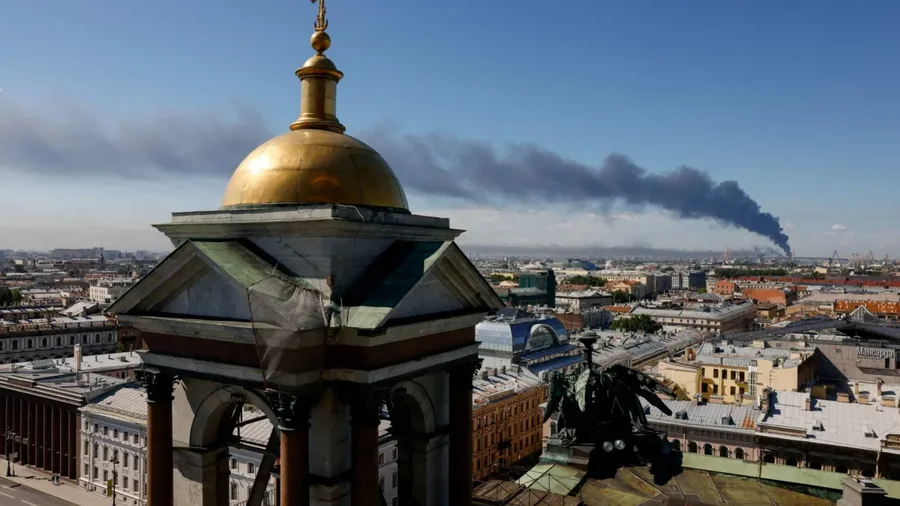
The Ukrainian drone attack during the St. Petersburg International Economic Forum called into question the Kremlin's narrative and brought the war into the spotlight of the Russian political and economic elite...
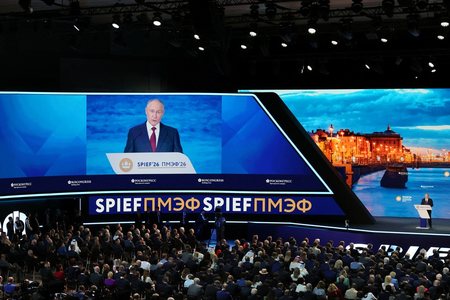
It was a smokescreen that revealed more than it concealed. The plume of black smoke that rose into the summer sky over St. Petersburg on Wednesday reminded the world, especially foreign investors who had traveled to attend the St. Petersburg International Economic Forum (SPIEF), that Russia is at war and that it had arrived in the same city where they were.
There was no doubt who carried out the attack. In an open letter to Russian President Vladimir Putin, his Ukrainian counterpart Volodymyr Zelensky wrote: “Our long-range drones paid a visit to the opening of your forum in St. Petersburg.”
It's easy to imagine Zelensky, as his country continues to face deadly Russian attacks, allowing himself even a small moment of amusement as he and his advisers crafted this defiant sentence, as if they were in a script meeting for one of the television sitcoms the Ukrainian leader once starred in.
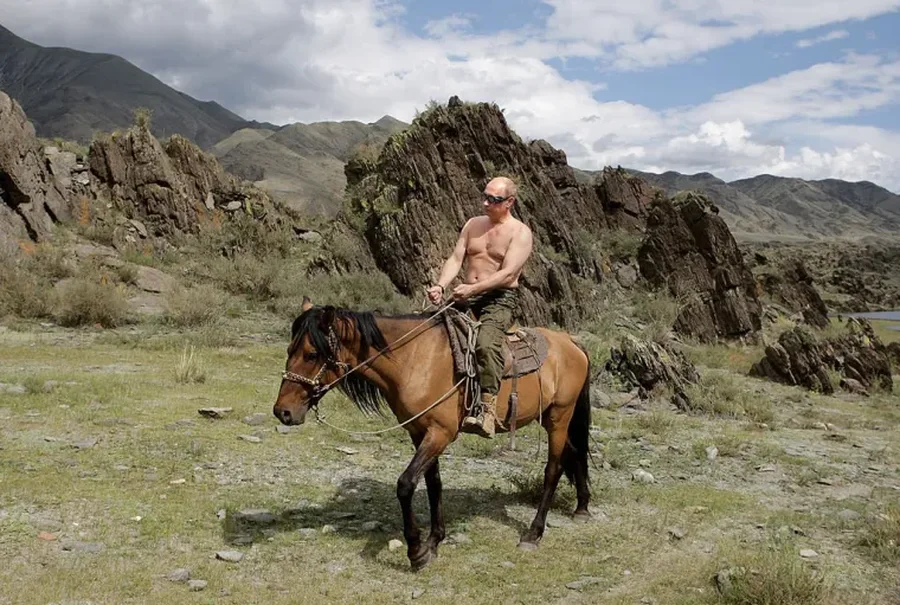
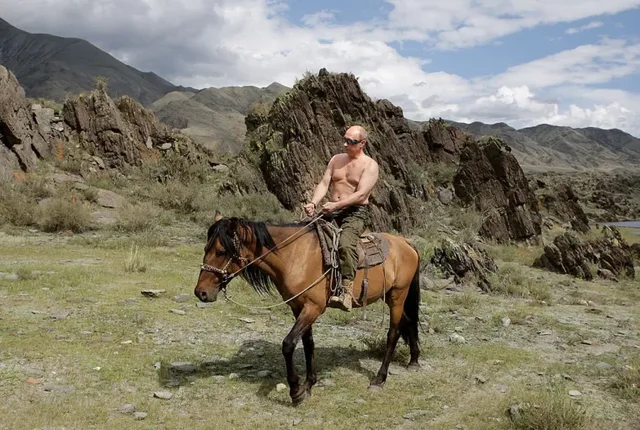
It's been more than a quarter of a century since Putin first became Russia's president. Images of him in poses of power have been a significant part of his political career: in a suit in the grand halls of the Kremlin, as a strongman in military uniform, or as a half-naked adventurer on vacation.
Putin, whose passion for history has led him to write long essays on World War II and the “Unity of Russians and Ukrainians” (in short: Ukraine is not a separate country), surely hopes to one day be remembered alongside Tsar Peter the Great, the founder of St. Petersburg, as a leader who took Russia to new heights.
Zelensky's letter strikes precisely at this ambition. "Whatever you say about NATO, geopolitics or the Russian language, this war is your personal choice, a war without a real cause. This is how history will remember it."
In his 1833 poem “The Bronze Horseman,” Alexander Pushkin imagines Peter the Great planning the construction of the city. “ All the banners will visit us,” the tsar dreams.
Putin wanted something similar. One of his proudest moments as president was hosting the leaders of the world's most powerful countries in St. Petersburg, his hometown, during the 2006 G8 summit.
The message was clear: Russia, after the humiliation that followed the loss of its superpower status at the end of the Cold War, had returned to the main table of international politics.
I was present at that summit as a correspondent. A few weeks earlier I had visited the city for another report and noticed that it was already being decorated for the big event.
Something similar must have happened before SPIEF. The black smoke was not included in any planning presentation of how the city should look. What the smoke revealed is a war built on lies.
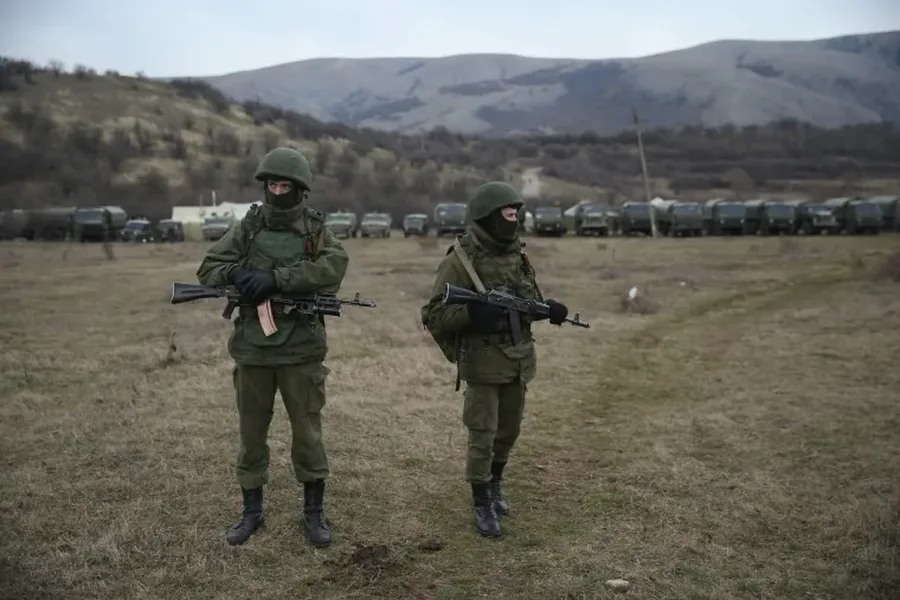
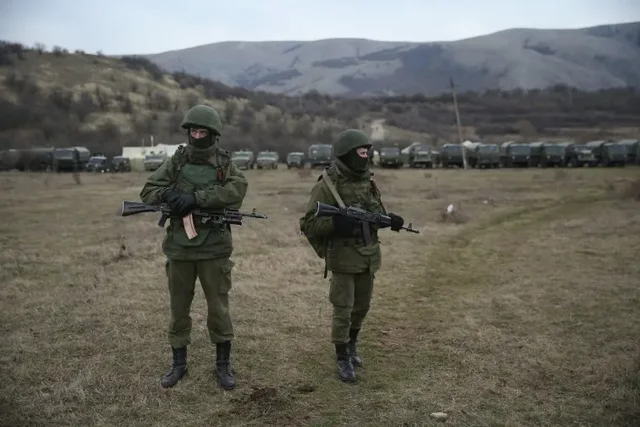
The first big lie came at the beginning, in 2014, when Russia initially claimed that Crimea had been taken under control by a self-defense force, the so-called "Home Guard."
A month later, during his traditional marathon broadcast with questions from citizens, Putin admitted: “Of course, the Russian military supported the self-defense forces in Crimea.”
In 2022, the war against Ukraine entered a much more horrific phase. More lies were needed, including the denial that it was a war. The Kremlin insisted that it was a “special military operation.”
Officials and propagandists on Russian state television continue to faithfully repeat this phrase.
It makes you wonder how many of them still really believe it. No sophisticated public relations campaign can erase the smoke from the skyline of St. Petersburg, or from the memory of the forum delegates who saw it rise over the city.
Putin continues to have huge advantages, in resources and manpower, over the smaller neighboring country he wants to conquer. Zelensky's letter, with its mocking tone that was not at all welcome in Moscow, will not mark the beginning of a peace process.
When speaking at SPIEF, the Russian president chose to criticize the West and praise Russia’s economic successes. Much of these successes, of course, are fueled by the war economy – or, in official terminology, the economy of “special military operations.”
But for now, Putin has lost the initiative on the battlefield, has no clear diplomatic path forward, and has seen his plans to showcase St. Petersburg to the world disappear in a cloud of smoke.
More and more Russians must have begun to wonder whether they can continue to trust the man they have entrusted with their safety and well-being. /Adapted from I Paper /



Lini një Përgjigje