


 Shkruar nga Pamfleti
The statement invited Israel and Hamas to resume talks to close all remaining gaps and begin implementing the agreement without further delay.
Israel has agreed to send negotiators for a new round of talks on a ceasefire deal and the release of hostages, following a diplomatic push from the United States, Egypt and Qatar.
The three countries issued a joint statement calling for talks to take place between Israel and Hamas on August 15 in Doha or Cairo. Hamas has not yet responded.
The statement said an "agreement" was ready and that only implementation details remained to be finalized.
The push for new talks will be seen as an effort by the US and its partners to stop regional tensions from spiraling out of control after Hamas leader Ismail Haniyeh was killed in Tehran last week.
Iran, blaming Israel, has vowed a response, although Israel has not commented directly on the killing.
The statement invited Israel and Hamas to resume talks to close all remaining gaps and begin implementing the agreement without further delay.
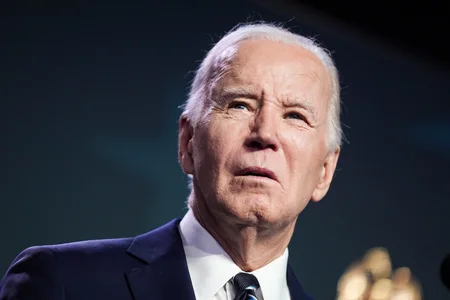
The statement was signed by US President Joe Biden, Egyptian President Abdel Fattah al-Sisi and the Emir of Qatar, Sheikh Tamim bin Hamad Al Thani.
The statement said the "framework agreement" was based on "principles" previously outlined by President Biden on May 31, who proposed a deal that would begin with a full ceasefire and the release of a number of hostages. The UN Security Council adopted that framework.
European Union chief Ursula Von der Leyen said she "strongly supported" efforts to broker a ceasefire deal.
"We need a cease-fire in Gaza now. This is the only way to save lives, restore hope for peace and ensure the return of the hostages," she wrote in X a few months ago.
UK Foreign Secretary David Lammy said the UK "fully endorses" the plan for talks, adding that it welcomes the tireless efforts of partners in Qatar, Egypt and the United States.
US Defense Secretary Lloyd Austin said in a statement Thursday evening that he had spoken with Israeli Defense Minister Yoav Gallant to brief him on changes in US forces in the region and to strengthen ironclad support for Israel's defense.
"I also stressed the importance of concluding a ceasefire agreement in Gaza that releases the hostages," he said.
Despite multiple rounds of talks, the challenge of reaching a ceasefire and agreement on the release of hostages has so far proved elusive.
Hamas official Osama Hamdan said in June that the group wants a permanent ceasefire, a full withdrawal of Israeli troops from the Gaza Strip and an exchange deal that includes Israeli hostages and Palestinian prisoners held in Israeli prisons.
But Israeli Prime Minister Benjamin Netanyahu has previously said that the conflict can only be stopped once Hamas is defeated.
On Thursday, Israel continued its bombardment of the Gaza Strip. Gaza's civil defense force, run by Hamas, said it struck two schools, killing more than 18 people. The Israeli military said it had struck Hamas command centers.
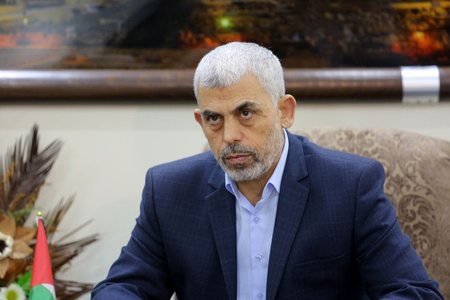
Any proposed talks could be made even more difficult by Hamas' decision to elect Yahya Sinar as its new leader, replacing Haniyeh.
Sinar, whom Israel considers responsible for planning and executing the October 7 attacks, is seen as one of the group's most extreme figures.
Amid fears of an attack by Iran or its allies, Israel's security cabinet met Thursday in an underground bunker instead of its usual meeting place, Israel's Channel 13 reported. / Taken from " BBC ", adapted by "Pamphlet"






Lini një Përgjigje