


 Shkruar nga Pamfleti
A former Navy SEAL and agent for 30 years, Tom Sylvester was the ideal candidate for London station chief...
The job reportedly carries a salary of £200,000, a residence in central London and a vaguely-sounding covert title of "minister-counselor" at the US embassy.
However, unlike other diplomatic posts, this position doesn't have much time for VIP cocktail parties. The CIA's London station chief works largely in the shadows, his identity largely unknown beyond the inner circles of Britain's security establishment.
Such discretion is hardly surprising for an envoy who is surely high on the list of America's most talked-about enemies. However, the man chosen for the job finds himself in the spotlight after his candidacy was shot down before he could take office.
CIA veteran Tom Sylvester is not a victim, according to the allegations, of covert tactics from Russia or Iran, but of a "cold war" in Washington between America's top spy agency and Donald Trump's White House.
Judging by his resume, Sylvester seemed an ideal candidate for the role in London, the CIA’s most prestigious overseas post. A former U.S. Marine, he spent more than 30 years as an agent, working in Iraq before and after Saddam, before becoming chief of operations for Europe and Eurasia in 2021. Not only did he gather intelligence that Vladimir Putin was planning to invade Ukraine, he also ensured that Washington provided Kiev with enough weapons and support to withstand the subsequent attack. Two years ago, after his work in Ukraine, he was promoted to the CIA’s deputy director of operations, overseeing day-to-day espionage operations around the world. Heading the London station was expected to be his reward for a distinguished career in the field.
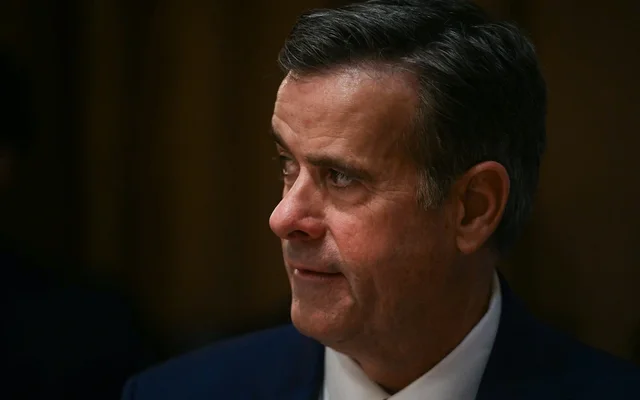
The New York Times reported that Sylvester, 60, had decided to retire after Trump's CIA director, John Ratcliffe, backed out of sending him to London. That leaves Britain, normally America's main partner in transatlantic security matters, as a casualty in Washington's turf war.
The decision came after Foreign Policy magazine, a prominent international affairs journal, published excerpts from The Mission, a new modern history of the CIA, in which the book's author, veteran intelligence writer Tim Weiner, quoted interviews given by Sylvester last year.
As befits a sure-footed spy chief, Silvester had not revealed any obvious secrets on the ground, nor had he betrayed any confidentiality. He had emphasized the role of old-school human intelligence over electronic surveillance and had spoken of the importance of relations with both Kiev and the US's European partners.
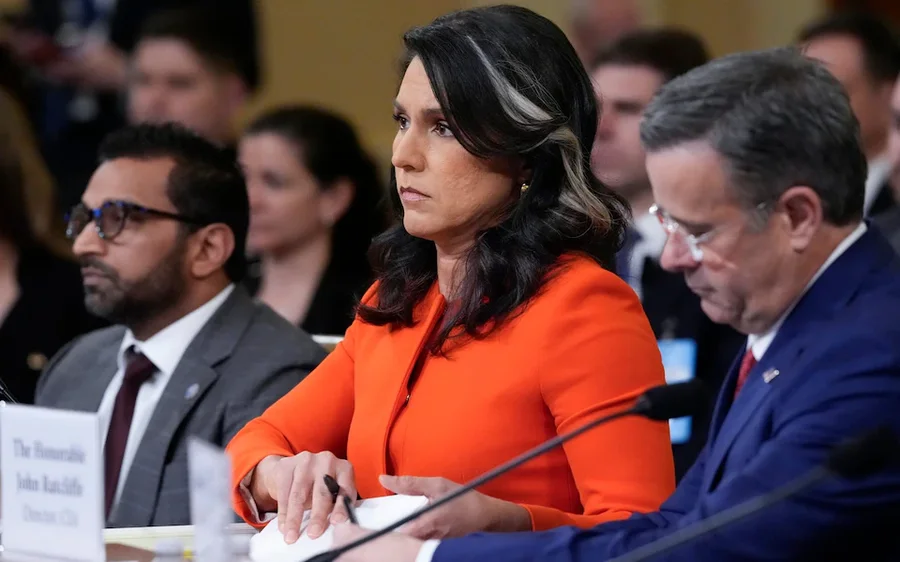
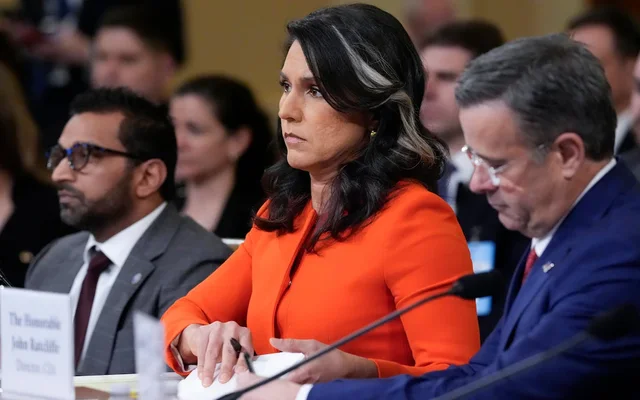
The author accused the president of orchestrating an “ideological purge.” Those he named included Ratcliffe, FBI Director Kash Patel, Director of National Intelligence Tulsi Gabbard, and Defense Secretary Pete Hegseth.
"With Ratcliffe at the helm of the CIA, warlord Maga Kash Patel leading the FBI, conspiracy theorist Tulsi Gabbard overseeing national intelligence, and Christian nationalist Pete Hegseth at the Pentagon, Trump has created the backdrop for a national security nightmare," Weiner wrote.
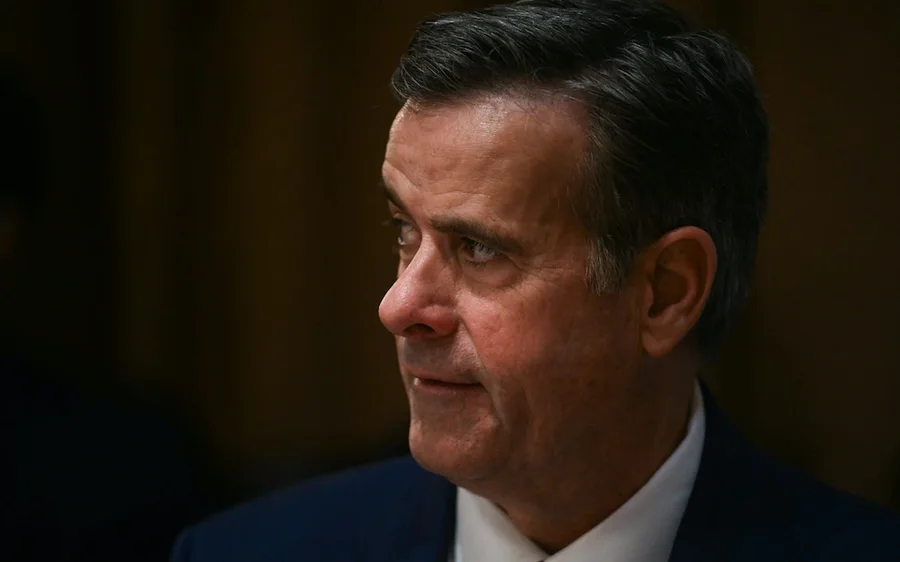
Such comments are not unusual from Weiner, an early critic of Trump, and some would argue they are not entirely unfounded. Ratcliffe is a former lawyer and devoted Trump supporter whose loyalty to the president, critics say, sometimes clouds his objectivity. Trump has called his appointee a “fighter for truth and honesty with the American public.”
Still, why wouldn't the Trump administration simply go after the messenger, instead of an innocent bystander like Sylvester? According to Weiner, Sylvester may have seemed too personally involved in a complete Ukrainian victory against Russia. With the president's much-vaunted peace plan showing little progress, the last thing he wants is a CIA chief in London eager to see Kiev fight endlessly.
"Tom Sylvester helped Ukraine survive after Russia invaded it, among other achievements," Weiner told The New York Times.
And according to him, "this seems to be one reason why he was sacrificed."
Weiner’s view is disputed by Ratcliffe’s advisers, who told The New York Times that Sylvester was simply not suited for the job in London. Ratcliffe, they said, wanted a younger, mid-career officer with the ambition to turn things around, rather than someone who had “an eye” on retirement. But the idea that this was simply a routine human resources issue has been called into question by a decision by the Trump administration to block another key CIA appointment earlier this year.
Ralph Goff, a veteran CIA operative who had recently retired, had been widely rumored to be returning to succeed Sylvester as deputy director of operations, but his candidacy also failed. While no official reason was given, it was again linked to comments he had made, after leaving the agency, in support of Kiev.
So, has Britain found itself the target of a CIA cold war?
Dr. Paul McGarr, i Qendrës për Studimin e Inteligjencës në King's College London, mendon se mund të ketë diçka të fshehtë në pretendimet e Weiner.
“Sylvester ka pasur një karrierë të shkëlqyer dhe do t’i kishte plotësuar të gjitha kriteret për punën e shefit të stacionit të Londrës”, thotë ai.
“Është e pakuptimtë të pretendosh se ata duan një person më të ri në këtë rol, tradicionalisht është një punë ‘falënderimi’ për një periudhë të gjatë shërbimi të merituar, jo një rol për një oficer të ri plot energji. Megjithatë, është një vendim i keq, sepse lë erë politizimi dhe në planin afatgjatë do të ndikojë në moralin brenda shërbimit”, tha ai.
Sigurisht, puna në jetën reale e drejtimit të zyrës së CIA-s në Londër vështirë se është diçka që mund të gjendet në skenarët e dramave të spiunazhit "Homeland". Pozicioni është pjesërisht diplomatik, me fokus në ndërtimin e marrëdhënieve me partnerët transatlantikë të spiunazhit të Amerikës, nga të cilët Britania shihet si më e rëndësishmja.
Sir Richard Dearlove, i cili drejtoi MI6 nga viti 1999 deri në vitin 2004, nuk i beson pretendimeve të Weiner. Ai thotë se, ndërsa roli i shefit të stacionit të Londrës tradicionalisht ka qenë një punë në pension, Trump mund të ketë dashur një person të ri në vend të tij, duke pasur parasysh se shefja e parë femër e MI6 në Britani, 48-vjeçarja Blaise Metreweli, do të marrë postin e saj në tetor.
“Sylvester mund të mos ketë qenë zgjedhja më e mirë për të punuar ngushtë me të”, thotë ai, duke shtuar “nuk mendoj se arsyeja ukrainase është e vërtetë. Oficerët e stacionit të CIA-s nuk bëjnë politika. Ata i ndjekin ato. Nëse puna tani i shkon një ylli në ngritje, aq më mirë”
Nga ana tjetër, pak veta do të dyshonin se vetë Sylvester do të kishte qenë në gjendje ta impresiononte Metrewelin. Bir i një oficeri karriere të Shërbimit të Jashtëm dhe nip i një admirali amerikan, ai është një oficer i CIA-s nga kastin qendror: Weiner e përshkruan atë si person me "pamjen e dobët dhe të uritur të një komandoje ushtarake dhe zgjuarsinë e thatë të një korrespondent lufte kokëfortë".
Ishin pikërisht këto cilësi të rrjetëzimit, thonë burime të brendshme, që rezultuan të rëndësishme në prag të luftës në Ukrainë , kur Sylvester ndihmoi në trajnimin e shërbimit të spiunazhit të Kievit në aftësi paraushtarake. Në një podcast zyrtar të CIA-s në fillim të vitit të kaluar, ai e përshkroi ndërhyrjen e tij si ndihmë për të penguar "pushtimin brutal të Rusisë".
Megjithatë, këto komente u bënë kur ai shërbente nën administratën e Biden, e cila u trondit po aq shumë nga veprimet e Putinit. Kjo e vë atë në kundërshtim me Trump, i cili ka thënë se Kievi e filloi konfliktin, jo Moska.
Lufta kulturore
McGarr mendon gjithashtu se Sylvester mund ta ketë gjetur veten në anën e gabuar të një lufte kulturore, po aq sa edhe të një lufte gjeopolitike.
He points out that, like Richard Nixon, Trump harbors an instinctive distrust of the Washington foreign policy establishment, to which Sylvester, despite his charm, could seem like a paid member.
"He's a fairly cosmopolitan individual, with his father being in the Foreign Service and having lived around the world," he says, adding, "he's the classic type of person that Trump hates and that could have been his undoing, even though none of that is really his fault."
However, whether personal or political, Oval Office interference in CIA appointments can backfire. McGarr cites Nixon’s disastrous appointment of loyalist James Schlesinger as CIA director in 1973, whose brief five-month tenure was so unpopular that he was reportedly assigned extra bodyguards to escort him to and from the agency’s headquarters in Langley, Virginia.
He points out that despite its reputation in Hollywood for espionage, attacks and coups, the CIA's main job, like that of any other spy agency, is to gain trust.
"The job of the London station chief is also about building trust in the CIA within other intelligence services, and if that is not there then that could affect the willingness of other nations to share sensitive intelligence," he said. / Adapted from The Telegraph /




Lini një Përgjigje