


 Shkruar nga Pamfleti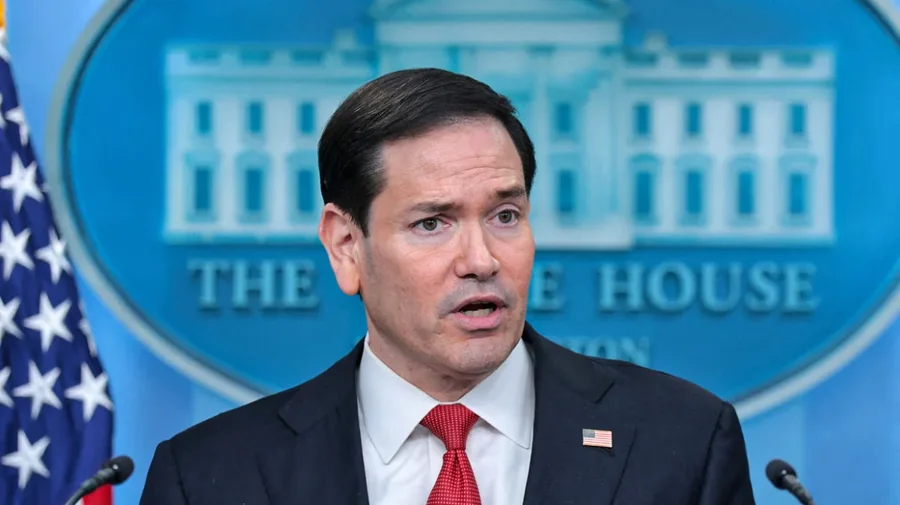
US Secretary of State Marco Rubio has announced that Israel and Lebanon are holding direct talks for the first time in three decades, in a process aimed at normalizing relations and reaching a peace agreement.
During a tour of the Gulf countries, Rubio stated from Bahrain that progress has been made in negotiations between the two countries and that the parties are close to agreeing on a joint statement of intent.
"I think we are very close to reaching a statement of intent from both countries. It's a process, it's going to take time and a lot of work, but I can tell you that for the first time in 30 years, the Lebanese government is talking directly to the Israeli government ," Rubio told reporters.
The statement by the head of American diplomacy comes as Israel and Lebanon held the fifth round of talks in Washington, mediated by the United States. This week's meetings are part of a series of negotiations that began in April and aim to create the conditions for a long-term agreement between the two countries.
According to Rubio, the process is not expected to be quick, but the fact that the governments of the two countries are communicating directly constitutes a historic development, given that such contacts have been absent for about 30 years.
US officials and Lebanese President Joseph Aoun have stressed that these negotiations are independent of the US dialogue with Iran. However, Tehran has stated that developments in Lebanon and regional negotiations are linked to talks on other issues in the Middle East.
The fifth round of talks, which ends this week, has focused on the creation of so-called "pilot zones" to be controlled by the Lebanese army. The move is seen as a step towards reducing tensions along the border between the two countries and strengthening the role of Lebanese state institutions in ensuring security.
The negotiations come at a delicate time for the region, after months of tensions and military clashes along the Israel-Lebanon border. The United States hopes that progress in these talks could lay the groundwork for a broader agreement that would contribute to Middle East stability.






Lini një Përgjigje