


 Shkruar nga Pamfleti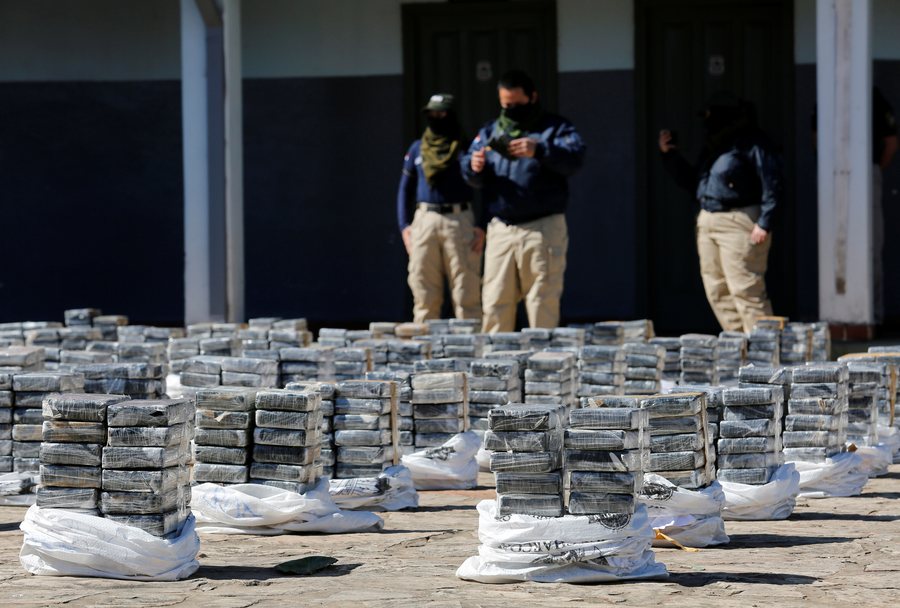
Some Ecuadorian intelligence sources suggest that the Albanians recruit the dominant local gangs as "preferred partners", while other sources say that the Albanians aim to eventually control the entire cocaine supply chain in Ecuador.
In a region known for violence, Ecuador's recent spiral into lawlessness and bloodshed is striking. Deadly crime in the Andean nation has now reached an all-time high, with a national homicide rate surpassing that of Brazil and Mexico, long ranked among Latin America's deadliest countries.
At the heart of Ecuador's problems is the endless global demand for cocaine. Thanks in part to Balkan gangs, Ecuador now serves as a hub for transporting and exporting cocaine from Colombia and Peru. The crisis is acute in Esmeraldas, on the Colombian border, and especially in the port city of Guayaquil, the country's gateway to the world.
Home to five of the country's eight shipping terminals, Ecuador's richest city is also one of the world's 25 most dangerous. Guayaquil last year recorded about 47.7 murders per 100,000 inhabitants, a sevenfold increase in five years. Chaos continues, despite 8 states of emergency declared since mid-2021.
The uptick in violence comes as a sharp rise in deadly disputes between organized groups vie for advantage in Ecuador's growing cocaine trade, with ramifications far beyond this nation of 18 million people. Fueling the deadly drug trade are emerging gangs of criminal networks with global scope and ambitions.
European Union
Albanian organized crime began migrating to Ecuador in the 1990s, lured by the prospect of joining forces with thriving local cartels and relatively lax border controls. Until recently, Albanians could freely enter Ecuador without a visa. This policy of laissez faire turnstiles ended when Ecuador introduced stricter visa requirements in 2020.
Approximately 33% of cocaine seized in Ecuador in 2021 was destined for European markets, compared to just 9% in 2019. The Balkans is a key new hub in this lucrative intercontinental drug trade, worth over $10 billion, with Albanian gangs playing an increasingly prominent role on both sides of the equator. --
Ecuador currently ranks third for cocaine interdiction (6.5% of global seizures), surpassed only by Colombia (41%), where cocaine production is booming, and then the US (11%).
Guayaquil accounts for approximately 96 of the 210 tons of cocaine in Ecuador seized in 2021. Most of the cocaine is hidden in shipping containers, with only about 8% to 10% of those subject to inspections.
With anti-narcotics operations clamping down on Brazil, Colombia and Peru, Ecuador has become a sweet spot for foreign traffickers. Dollarization and corruption facilitate the purchase of fake documents such as personal identification, passports and export licenses. Most known Albanian crime operators reside in Guayaquil, often under false identities.
The Balkan news media spared no detail of how Albanian, Colombian, Mexican, and even Russian cartels battle for control of Guayaquil. At least six Albanians were executed gang-style in the last decade. Some Ecuadorian intelligence sources suggest that the Albanians recruit dominant local gangs as "preferred partners", while other sources say the Albanians aim to eventually control the entire supply chain.
The Albanian mafia uses a variety of drug-trafficking tricks, from using front companies to hide cocaine in shipments of bananas, tea and shrimp to cloning customs stamps to disguise broken containers. Little of this would be possible without a wink and a nod from officials.
Ecuadorian intelligence has long kept the Albanian mafia under surveillance. Two different intelligence sources consulted went so far as to suggest a "high-level" collusion between Ecuadorian police and the Albanian mafia, one of whose gang members reportedly died at the hands of the police. While these reports remain unconfirmed, they leave little doubt about the terrifying turn toward law, order, and public safety in Ecuador!/ Adapted "Pamphlet" from "AmericasQuarterly"




Lini një Përgjigje