


 Shkruar nga Pamfleti
Bureaucracy, lack of funds and regional chaos have turned the strategic project of the decade into a symbol of state incompetence...
From endless bureaucracy to lack of funds and regional sabotage; the reasons for the highway's postponement show the crisis of state capacity in the Balkans
The Adriatic-Ionian Highway, announced for more than two decades as the "great artery" that would connect Albania, Montenegro, Croatia and Greece with the European development corridors, is today the clearest example of how Balkan governments have made a habit of promising highways in press conferences, but producing delays on the ground.
Postponing the start of works by at least three years is not simply a "technical incident": it is the official picture of powerlessness, lack of professionalism and political will for projects that require coordination, transparency and a functional state.
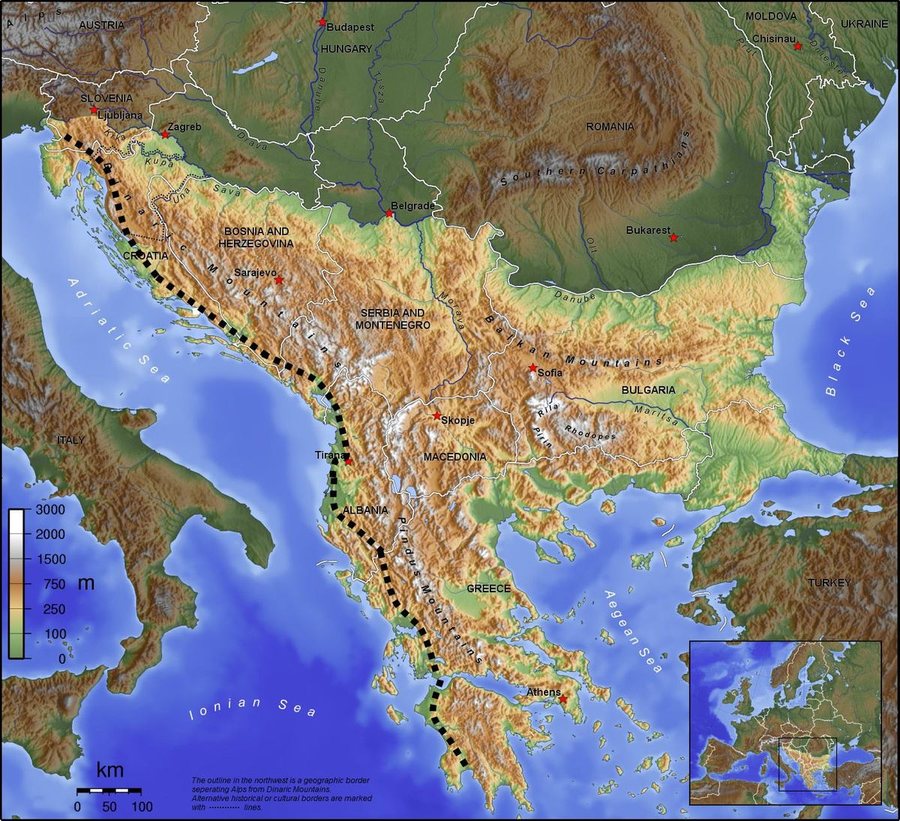
The reasons are many, but they all have one thing in common: governments lack the capacity, lack the priorities, and often lack the sincerity to see the project through to completion. Endless bureaucracy has caused environmental studies, technical permits, territorial approvals, and audits to drag on endlessly, while ministers only talk about “regional dynamism” in statements.
In our countries, a procedure that should have lasted six months takes three years, because the links of the state are blocked between irresponsibility and political interests.
There is also the problem of financing. Governments make infrastructure plans worth billions of euros, while their real budgets do not cover even 10 percent of the cost. Therefore, projects depend on foreign funds, EU financial instruments and development bank loans, processes that require accurate documents, transparency and serious studies. But too often, governments in the region have presented international partners with unprepared, unsupported by data, unclear projects and with costs that change every time the minister changes.
The delay is also linked to the lack of regional coordination. The Balkan states, which on paper talk about "infrastructural cooperation", in practice think only about their electoral line and domestic political interests.
The highway cannot be built with the logic of "every man for himself": Albania cannot start without Montenegro being ready, and Montenegro cannot move forward without being in sync with Croatia. Instead of real working tables, the region has produced only photo summits, where memorandums are signed that gather dust within a year.
Technical and environmental obstacles are also a consequence of an old governance model: lack of professional preparation, lack of expertise, lack of in-depth assessments. The road passes through coastal areas, protected areas and difficult terrain; all of these require serious studies, not hastily drawn up files to fulfill a political promise. When governments operate with the logic of “let’s put the project out to tender and then see”, delays are guaranteed.
Ultimately, the responsibility falls on governments that use infrastructure as a propaganda tool, not as a development policy.
In Albania, Montenegro and other countries in the region, highways are mentioned more often in election campaign spots than in actual plans. The Adriatic-Ionian project has become a symbol of the conflict between what governments say and what they manage to do. And while regional leaders are photographed at summits, Balkan citizens are left with old roads, traffic, lack of security and an economy that travels slower than political rhetoric.
All these reasons put together point to a simple fact: the highway is not being delayed by nature, but by politics. And as long as the Balkan states do not build working institutions, real reforms in administration, and a new governance culture that values performance over propaganda, any new corridor will remain a dead end. The Adriatic-Ionian Highway will continue to be a nice idea on paper, another promise that governments use but do not keep, and a missed opportunity for the entire region./ Pamphlet




Lini një Përgjigje