


 Shkruar nga Prof. dr. Skënder ASANI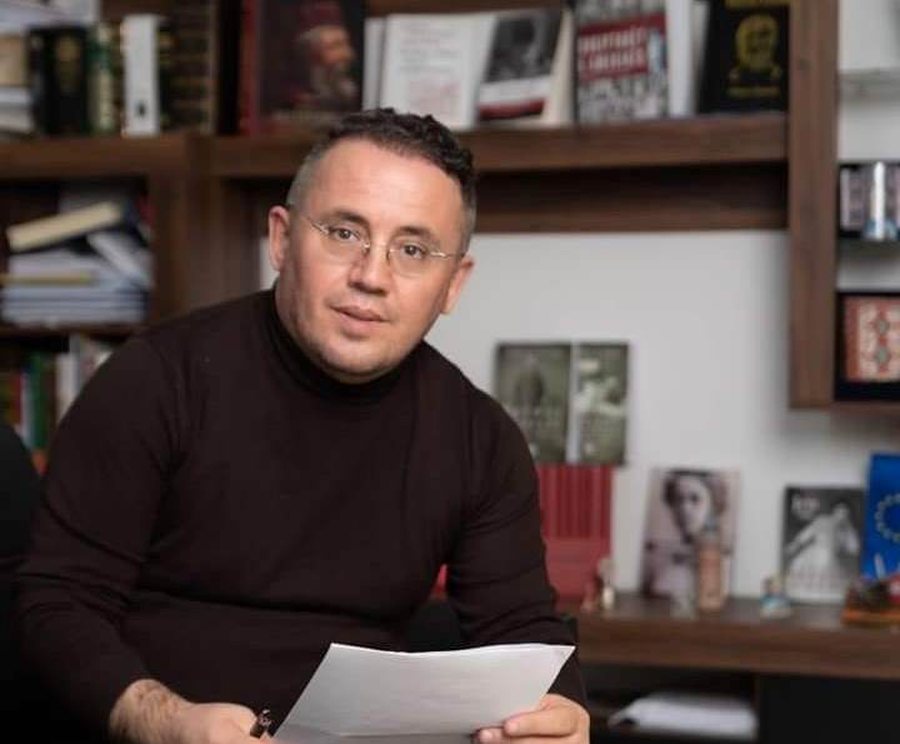
From the unitary cabinets of the beginning of pluralism to the contemporary techniques of institutional control, the Albanian question is not treated as a constitutive partnership, but as a problem to be administered. This process, which is taking place today, is a sophisticated return of the old ethnocratic logic, but with modern and silent means.
The history of Albanians in the Balkans is not simply a chronicle of past events, but an unwavering testament to the power of survival, resistance and strategic vision. In a space where many peoples disappeared, dissolved or were subjugated, Albanians preserved their identity, language, cultural space and political subjectivity. They functioned as a conscious architecture of collective defense, which has systematically withstood all forms of denial, dissolution and imposition. But this historical capital of resistance is not an invitation to calm down; on the contrary, it is a sober warning that the modern era requires much sharper vigilance, because today's mechanisms of danger are more sophisticated, more invisible and more permeable than any threat we have known before.
After the pluralism of 1991 and up to the approaches of Prime Minister Mickovski, a continuous political line is seen that aims to minimize the Albanian role, to relativize their constitutional subjectivity and to turn the state towards a mononational paradigm masked by the language of reforms. From the unitary cabinets of the beginning of pluralism to the contemporary techniques of institutional control, the Albanian issue is not treated as a constitutive partnership, but as a problem to be administered. This process, which is taking place today, is a sophisticated return of the old ethnocratic logic, but with modern and silent means.
During the centuries of Ottoman rule, Albanians were kept in the shadows, deprived of their language and ethnocultural knowledge, while their neighbors built their own nation-states. This historical gap exposed them to the constraints of the Ottoman high administration, external pressures, and the fading of national consciousness. In this fragile climate, the National Renaissance emerged as a clear political and visionary act, exploiting the weakening of the Empire and the Young Turk movement to impose Albanian demands. The Ferizaj Assembly (1908) with its ultimatums to Istanbul marked the first powerful intervention of Albanians in the internal changes of the Empire, creating the ground for organized national action. The “Unity” Club and the Manastir Congress proved that the common alphabet was a state-building instrument that preceded the independence of 1912. This moment marked the turning point where Ottoman weakness was transformed into a historic opportunity, proving that unity and identity are not given, but are earned with vision and determination.
Through the turbulent decades, the Albanian being has survived under constant pressure, where the aims to dilute its identity have appeared in various state and administrative forms. The policies of the Kingdom of SKS period, from compulsory colonizations to arbitrary agrarian reform, aimed to change the demographic physiognomy of the Albanian territories and displace the local population, but political organization and collective consciousness prevented the realization of the most radical scenarios, proving that the will of a people is not easily subdued. Even after the Second World War, efforts to limit language, education and national markers turned into a cycle of tension that culminated in 1968 and found a partial respite in the 1974 Constitution, which, despite the limitations, allowed the reopening of a necessary space for the restoration of collective consciousness and dignity.
The history of the Albanians is not simply a tale of suffering, but evidence of an ongoing battle for political, territorial and cultural survival; a battle that strongly warns that any silence, indifference or avoidance of institutional responsibility is not only a denial of the past, but a direct danger to the future of a community that has shown that its resilience and dignity cannot be violated.
The dissolution of Yugoslavia found the Albanians of Macedonia ready to be a state-building factor. They guaranteed the Euro-Atlantic orientation of the new state and gave it international legitimacy. But this contribution was underestimated, because the institutional architecture continued to treat the Albanians as a threat, not as a partner. Systemic discrimination, the rejection of the Albanian language and basic rights culminated in the 2001 conflict, from which the Ohrid Agreement was born. It restored constitutional balance, institutionalized the Albanian language, established proportional representation and guarantees of the strategic veto, making the state function on the basis of equality.
Por sot, kërcënimi nuk vjen nga jashtë. Ai ngrihet nga brenda, nga strukturat që Marrëveshja e Ohrit duhej të demokratizonte. Projekti politik i Kryeministrit Mickovski përbën një strategji të heshtur dhe të sofistikuar: zhbërjen graduale të subjektivitetit politik shqiptar përmes ndryshimeve administrative, demografike dhe juridike, duke nisur nga premtimi parazgjedhor i fushates se zgjedhjeve parlamentare të vitit të kaluar të regjistrimit elektronik të popullsisë, i cili synon (paraljmëron) kategorizimin e shqiptarëve në baza fetare dhe uljen artificiale nën pragun kushtetues 20%. Debati për çështjen e bullgarëve në Kushtetutë është vetëm perde tymi për të fshehur objektivin e vërtetë: reduktimin e shqiptarëve në komunitet dekorativ, jo në partner shtetformues. Kjo strategji ka për synim orientimin e shtetit drejt një modeli mononacional, një rikthim të rrezikshëm në logjikën etnokratike që destabilizoi rajonin për një shekull.
Rreziku është i prekshëm dhe i afërt. Dobësimi i subjektivitetit kushtetues dhe fragmentimi i përfaqësimit politik do të krijojnë hapësirë për retorikë ekstremiste, projekte destabilizuese dhe tensione të reja ndëretnike. Proceset administrative dhe demografike mund të fshehin një asimilim të sofistikuar, duke kthyer çështjen shqiptare në labirintet e errëta të mohimit historik. Dështimi për të vepruar tani do të hapë rrugën për një transformim të maskuar që mund të ketë pasoja të pakthyeshme.
Në këtë moment historik kritik, shqiptarët duhet të mobilizohen për të mbrojtur subjektivitetin kushtetues dhe orientimin euroatlantik përmes një platforme politike të unifikuar dhe strategjike. Uniteti politik dhe kohezioni institucional duhet të jenë parësor. Një koalicion gjithëshqiptar, bashkëpunimi i palëkundur midis institucioneve qendrore dhe strukturave lokale, dhe parandalimi i përçarjeve politike janë çelësi i mbijetesës dhe fuqisë kolektive. Veprimi ligjor dhe kushtetues është i domosdoshëm: monitorimi i të gjitha projekt-ligjeve dhe ndryshimeve që cenojnë subjektivitetin, angazhimi në gjykata dhe institucione ndërkombëtare, dhe sigurimi i përfaqësimit të barabartë në institucionet shtetërore.
Diplomacia dhe strategjia ndërkombëtare duhet të forcojnë lidhjet me faktorët euroatlantikë dhe të nxisin njohjen e rolit shqiptar si partner stabilizues, duke parandaluar çdo influencë destabilizuese. Strategjitë kulturore dhe arsimore duhet të konsolidojnë identitetin kombëtar, të promovojnë gjuhën dhe kulturën shqiptare si pjesë integrale të shtetit dhe të krijojnë një narrative pozitive për rolin shqiptar në shoqëri dhe shtet. Vigilanca dhe transparenca elektronike janë të domosdoshme për të monitoruar regjistrimet dhe ndryshimet demografike, për të zhvilluar mekanizma të pavarur raportimi, dhe për të mbrojtur të drejtat dhe përfaqësimin shqiptar.
This is the most critical moment in the history of Albanians in North Macedonia. Every internal division has been and remains a threat to our national existence, and every unity has served as a key to survival and affirmation. This text is not simply a political appeal: it is a historical alarm, a strategic order and an irresistible call for immediate action. Preserving constitutional subjectivity, strengthening institutional and political cohesion, guaranteeing Euro-Atlantic orientation and defending equality as an inviolable standard are not only tasks, but also necessary conditions to ensure stability, justice and the perspective of a modern, democratic and Euro-Atlantic state, for Albanians and for all citizens of Macedonia. Any delay, any indifference, would be a dangerous step towards the disappearance of opportunities for an equal and secure future.




Lini një Përgjigje