


 Shkruar nga Mero Baze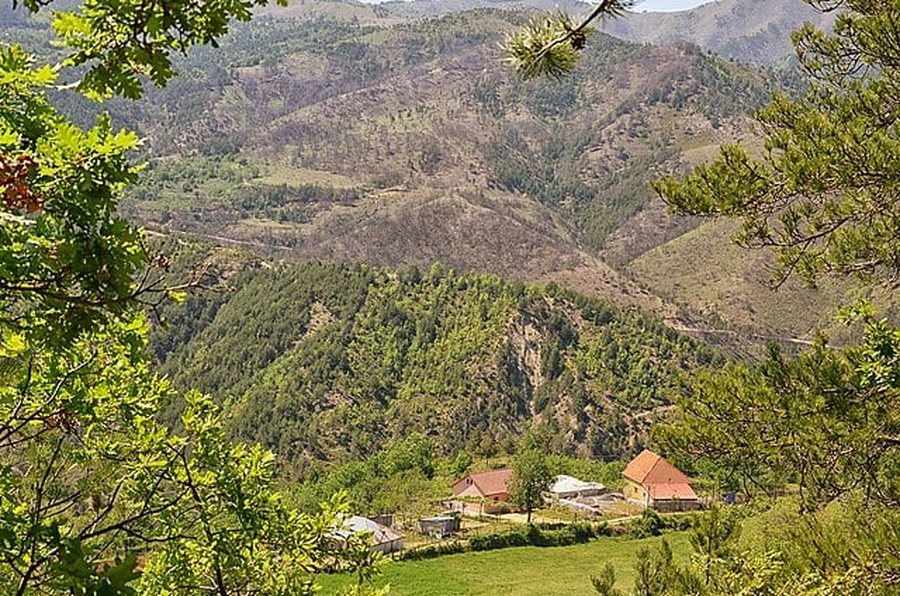
If we do not facilitate to the villagers the right to build a house on their land, the right to live as people in the village, and the right to be financially assisted for agricultural and livestock production, then the village is doomed to to disappear.
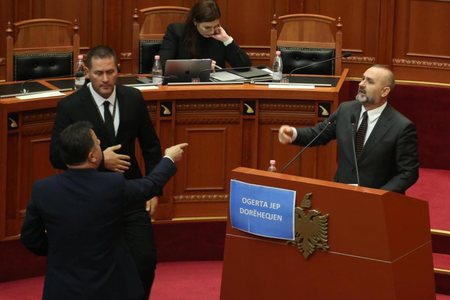
Today, the Parliament of Albania was involved in a debate after the majority proposed to waive the fines for constructions without permission in the village. I am unclear why the DP was screaming from the seat and the only word I heard was the expression of the deputy who said "your mouth sucks".
In fact, the opposition should scream not because the fines were forgiven to the villagers, but together with the socialists, being responsible for the situation in the Albanian countryside for 34 years, put their heads down and enter into a consensual reform of deregulation for the countryside.
I am bringing you a fact from the last few weeks. Two "inspectors" fined TK, a resident of a village in the South, with 35 million lek and ordered the demolition of a building for a construction on his father's land, despite the fact that he had a contract with the Municipality of Tepelena to take it the land in use and to make a temporary construction. Obviously, he has outgrown it and made a more solid build. His goal is to return from Tirana and live there.
The horribly disproportionate fine, the demolition of the building and the criminal prosecution are like sentencing to death a 70-year-old who has decided to return to the village and live in a modest house that costs 10,000 euros.
Why did this villager break the law?
He violated it because he cannot get a normal building permit. For this, he needs as many documents and payments as he can build the house with. For a house in the village, you need as many papers as for a tower in Tirana, and since the village is also called a "protected area", you need even more.
On the other hand, he has rented the land of the tribe, since he cannot get it with papers due to the half-hearted reforms that have been made for the village. A resident is only entitled to 300 square meters of old land, discriminating against citizens who benefit from the yard law.
This has caused the village to become frighteningly empty, because the legal jungle makes it impossible for the villagers to live according to the rules. The countryside needs immediate deregulation reform.
What should be done?
First, urban plans for the villages.
Each municipality and the Albanian government must draw up urban plans for each village, or leave in force the regulatory plans from the time of communism for most of the existing villages. Based on the regulatory plan, municipalities must issue a building code for houses in the village with standard projects from the municipality. Anyone who wants to build a house must obtain a ready-made project immediately, which is called a building permit.
Së dyti, trajtim me të njëjtin standard të jetës në fshat dhe qytet.
Në fshat, si në qytet, bashkitë duhet të merren me problematikat sociale dhe infrastrukturore. Në qytet ndëshkohet ai që zë rrugën apo shqetëson komunitetin, ndërsa në fshat këto probleme shpesh injorohen duke u quajtur “halle fshati.”
Kështu, në fshatrat e quajtura turistikë të Shqipërisë, turistët përleshen me qentë e staneve apo qentë që rrijnë rrugëve, bagëtitë nuk kanë më rregulla se sa afër fshatit jetojnë e ku kalojnë, ndërsa çdo i çmendur mund të bëjë ligjin në fshat.
Së treti, duhet një paketë inkurajuese për kthimin në fshat.
Qeveria duhet të ofrojë ndihma sociale dhe lehtësira për ata që duan të kthehen në fshat, sidomos për të moshuarit që vendosin të jetojnë aty. Greqia fqinje natyrisht ka shumë më tepër mundësi se ne, por ajo ka mundur ta ripopullojë pjesën veriore të saj fqinje me Shqipërinë përmes stimujve financiarë për ata të moshuar që kthehen të jetojnë në fshat apo që mbajnë hapur shtëpitë aty. Ne i presim me policë tek dera dhe gjobaxhinj që “zbatojnë ligjin”.
E katërta, dhe më e rëndësishmja, qeveria duhet të krijojë paketa ndihmash financiare për bujqit dhe blegtorët, që të mos jenë konkurruese, por detyruese. Për shembull, nëse një blegtor ka bagëti, ai duhet të pajiset me NIPT dhe të kompensohet për çdo litër qumështi që shet në baxho kundrejt faturës fiskale, por jo të mbetet kjo në dorë të institucioneve si AZHBR apo të tjerave të korruptuara, të cilat favorizojnë një grup në kurriz të të tjerëve. Subvencionet duhet të shpërndahen njësoj për të gjithë ata që prodhojnë, pa gara që krijojnë pabarazi dhe diskriminim në treg.
E njëjta gjë duhet të ndodhë me ndihmat financiare për bujqësinë. “Gara” për financime, përveçse është një procedurë e mbushur me korrupsion, krijon një treg të pabarabartë duke ndihmuar një pjesë dhe duke varrosur pjesën tjetër.
Nëse banorëve të fshatit nuk u lehtësojmë të drejtën për të ndërtuar një shtëpi në tokën e tyre, të drejtën për të jetuar si njerëz në fshat, dhe të drejtën për t’u ndihmuar financiarisht për prodhimet bujqësore dhe blegtorale, atëherë fshati është i dënuar për t’u zhdukur.
Falja e gjobave për ndërtimet pa leje është një ndihmë e mirëpritur për momentin, por nuk e adreson problemin rrënjësor, që është mungesa e një strategjie serioze për fshatin shqiptar. Problemi i gjobave do të përsëritet vazhdimisht nëse nuk realizohet një reformë e thellë derregullimi për fshatin.
Thjeshtimi i ligjeve për fshatin dhe jetën në fshat është i domosdoshëm. Një banor i fshatit duhet të dijë saktësisht çfarë e pret nëse rikthehet të jetojë në fshat.
Fshati shqiptar praktikisht nuk ka më lidhje me shtetin shqiptar. Ai as taksohet, as qeveriset dhe as merr ndonjë ndihmë nga qeveria. Ai thjesht gjobitet ose falet sipas vullnetit të qeverisë, duke i shndërruar i ata pak heronjë që mbajnë gjallë fshatin në skllevër të vërtetë.
Tourism, which is the greatest potential of the beautiful villages of Albania, is seriously endangered by this profound lack of attention to legislation in the countryside.
And this does not only harm rural tourism, but also coastal tourism, as the countryside should be the base of agricultural production for the tourism industry. Today we have millions of tourists and we have simply added billions of imports for food and agricultural products, taking out the money brought in by tourists.
And this is a consequence of the mentality of the governors who think that "the store makes the milk" and it doesn't matter if it is in Greece, Serbia or Albania.




Lini një Përgjigje