


 Shkruar nga Mark Galeotti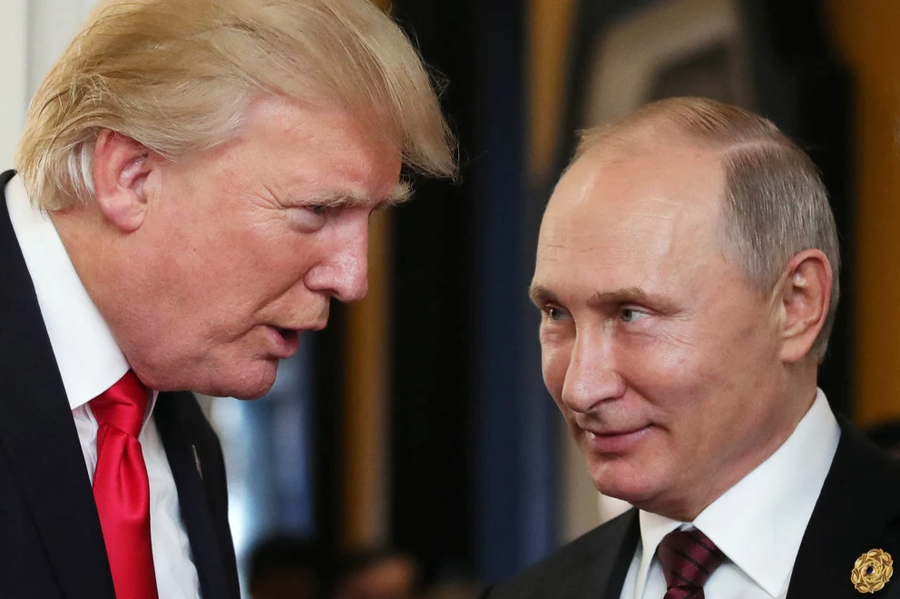
We don't know if Vladimir Putin is serious about peace negotiations with Ukraine. Because he could be performing a diplomatic maneuver while enjoying the spectacle of a West embroiled in mutual accusations and internal anger.
Or he may truly feel that the basis for some kind of deal exists. Given his history as a tactician rather than a strategist, it is likely that he is currently paying closer attention to what opportunities are presented to him.
However, his choices about the format, location, and representatives in the negotiations can give us some insight into his intentions. For example, his lead negotiator in the failed Istanbul talks in 2022 was Vladimir Medinsky.
A former Minister of Culture, he was famous as an outspoken supporter of "patriotic" culture, doling out money for everything from history textbooks to action films that portrayed a nationalist perspective on Russia's past.
He was therefore considered by many analysts to be essentially a figure of no importance. This assessment was perhaps unfair, as it is likely that in those talks Putin wanted a loyal envoy, and not some kind of serious negotiator who might have his own ideas about how to handle the talks.
However, Medinsky's choice hardly helped create a positive atmosphere in those negotiations. Meanwhile, according to Bloomberg, this time the Kremlin is "preparing a team of heavyweights, with decades of experience in very delicate negotiations," which would immediately indicate a change from past practice.
Media reports claim that the key figures will be presidential aide Yuri Ushakov and Foreign Intelligence Service (SVR) director Sergei Naryshkin, while financier Kirill Dmitriev will also have an unofficial role.
The position of aide to the presidency is somewhat ambiguous in the Russian system, meaning it can mean a lot or nothing. It can be an honorary position on the verge of retirement, as was the case for former Security Council Secretary Nikolai Patrushev, or it can be a commander or trusted advisor to the president.
In Ushakov's case, it's definitely the latter. The 77-year-old veteran diplomat has been Putin's top foreign policy adviser since 2012, and while Foreign Minister Sergei Lavrov's position and influence have waned, Ushakov's has only grown.
He was Russia's ambassador to the US from 1998 to 2008, during Putin's first two presidential terms - when cooperation was more of a priority than confrontation - and a former employee from the US embassy in Moscow has described him as "a consummate diplomatic actor" and a "deal-maker".
Naryshkin, whose frequent public statements have been accompanied by many anti-Western conspiracy theories (he recently declared that Poland had imperial designs on the city of Lviv in Western Ukraine), might seem a less obvious choice.
The SVR has long been involved in ongoing cooperation with the CIA. But despite his KGB background, Naryshkin is more of a politician than a secret service agent. A former deputy before taking his current position as part of a reorganization, he is an amateur historian and, at 70, aims to become a member of the Senate.
He is a political operator in his own right as a former speaker of the Duma, the lower house of the Russian parliament, but also a Putin loyalist whom the president can rely on to keep the domestic political consequences of any deal under control, while Ushakov focuses on geopolitics.
Finally, Dmitriev, who was educated at Stanford and Harvard Universities, and worked for world-renowned companies such as McKinsey and Goldman Sachs, before returning to Russia and currently heading Russia's sovereign wealth fund, would be Moscow's strongest card.
He could be used both as an unofficial backstage channel, but also as someone who could fit very well into the unconventional and transactional approach of US President Donald Trump.
In fact, he appears to have played a key role in arranging the release this week of American teacher Marc Fogel imprisoned in Russia. The event gave Trump the kind of public success he so enjoys, and paved the way for this week's phone call with the Russian president.
It was a very positive development as far as Moscow was concerned. So while it is impossible to say at this stage how or when or if negotiations will take place, let alone how successful they might be, if these early signs are true, then Putin is certainly taking them much more seriously than some may have feared or expected./ Pamphlet from “The Spectator”
Note: Mark Galeottim, professor of Slavic and East European Studies at the University of California. Author of about 30 books on Russia.



Lini një Përgjigje