


 Shkruar nga Roberto Vivaldelli
"The Moscow-Beijing alliance threatens US interests. But breaking it requires pragmatism, not ideology." This is the opinion of Mark Episkopos, a fellow on Eurasian affairs at the Quincy Institute in the US, and a professor of history at Marymount University.
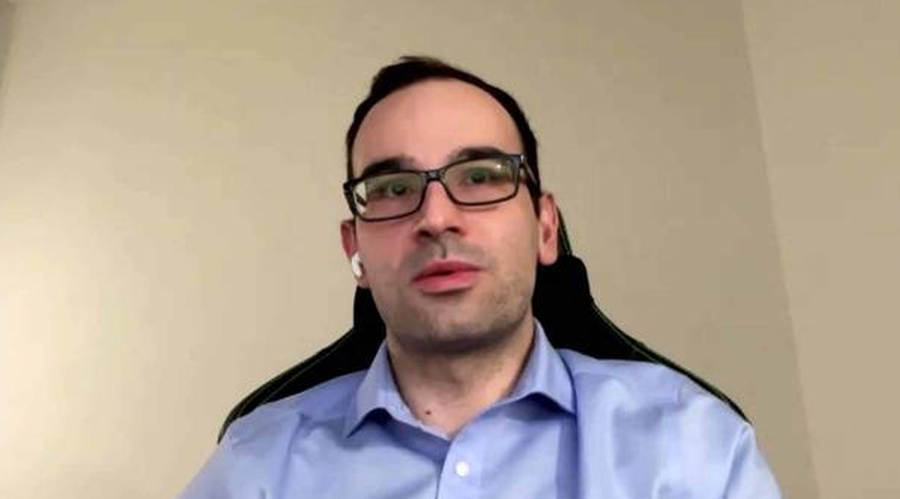
We asked him about his very interesting analysis, published in the magazine The American Conservative, (“Separating Russia from China is Possible and Vital for the US”), which is prompting American strategists to discuss the chances of breaking the strategic partnership between Moscow and Beijing.
What specific risks does a deepened Moscow-Beijing partnership pose to American interests, particularly in Eurasia?
The biggest long-term risk of China-Russia cooperation against the United States is the gradual formation of an anti-Western geopolitical bloc with autonomous financial, political, and security systems. And this is problematic in peacetime, as it limits the United States' ability to exert influence in areas crucial to its interests.
In the event of a major conflict between great powers, the situation could become catastrophic not so much because China and Russia would fight side by side against the US, but because they would act together to exploit the crisis, creating a series of problems for America on several fronts.
Why do you think neoconservative politicians have systematically rejected power-balancing strategies in favor of more confrontational approaches? Is this a doctrinal preference or a response to structural factors?
The neoconservative vision does not start from the realities of the international system, as any well-thought-out strategy should, but from ideological premises about "good" and "bad" states, conceiving foreign policy as an endless crusade to punish wrongdoers.
He openly rejects the logic of the balance of power, in favor of a metaphysical narrative of international politics as an existential confrontation between two ideological camps - usually autocracies versus democracies - and essentially hostile to each other.
Scholars like McFaul and Medeiros say that trying to distance Russia from China is futile and dangerous...
Their thesis about the impossibility of rapprochement with Russia is based on an ideological narrative that depicts Moscow as an anti-Western actor that cannot change its approach. But this view is belied by Russia's behavior in the 1990s-2000s, and does not reflect the reality of Russian strategic thinking today.
Për më tepër, ata vendosin një kufizim jo realist mbi atë që duhet të kuptohet me normalizimin e raporteve me Rusinë, duke mos pasur parasysh faktin se përfitimi kryesor është më shumë negativ dhe jo pozitiv. Nuk bëhet fjalë për të marrë ndonjë gjë specifike nga Moska, por për parandalimin dhe ndryshimin pjesërisht të statuskosë së papranueshme të një aleancë ruso-kineze, e cila është gjithnjë e më shumë e orientuar kundër Perëndimit.
Si e vlerësoni rezistencën e dukshme të Gjermanisë dhe Francës ndaj afrimit midis SHBA-së dhe Rusisë? A po veprojnë për të ruajtur autonominë apo në lojë janë interesa të tjera?
Shumë vende të Evropës janë bllokuar në inercinë e viteve të Biden, duke përsëritur moton e administratës së mëparshme për ta mbështetur Ukrainën “për aq kohë sa do të duhet”, pa një reflektim serioz strategjik se si t’i jepet realisht fund luftës. E vërteta është se Evropa nuk mund të mbështesë Ukrainën për një kohë të gjatë pa SHBA-në, dhe aq më pak të sigurojë një fitore ushtarake për Kievin.
Prandaj do të ishte në interesin e Evropës që Shtëpia e Bardhë të ketë sukses në arritjen e një paqeje të qëndrueshme. Evropa është një palët kryesore në këtë luftë, dhe një zgjidhje e qëndrueshme është e pamundur pa të, por përfundimi i konfliktit kërkon edhe kanale të dialogut konstruktiv me Moskën. Udhëheqësit evropianë, kanë shumë arsye pse duan të luajnë një rol kyç në këto negociata dhe përtej luftës, të krijojnë mekanizma pragmatikë të parandalimit dhe angazhimit diplomatik me Rusinë.
Çfarë lëshimesh duhet të kërkojë SHBA nga Moska, në këmbim të ri-integrimit në tregjet perëndimore? Dhe si mund ta pengojë Uashingtoni Moskën që të luajë një “lojë të dyfishtë” me Perëndimin dhe Kinën?
Është e parakohshme të flitet për lëshime specifike, pasi çdo negociatë me Rusinë për Kinën zhvillohet në sfondin e një negociate më të gjerë dhe më komplekse mbi çfarë është e gatshme secila palë të heqë dorë për t’i dhënë fund luftës në Ukrainë. Sa i përket Kinës, është kundër-produktive të kërkosh nga Moska që të reduktojë bashkëpunimin me Pekinin në këmbim të një kthimi në institucionet perëndimore.
Normalizimi i marrëdhënieve, do të krijonte pashmangmërisht një distancë strategjike midis Rusisë dhe Kinës. Marrim sektorin energjitik: rikthimi i Rusisë në tregjet evropiane të energjisë do të diversifikonte eksportet e Moskës, duke e reduktuar ndikimin ekonomike të Kinës dhe i dhënë Rusisë një autonomi më të madhe në zona (si Azia Qendrore apo disa çështje të Paqësorit) ku interesat e saj nuk përkojnë me Pekinin.
McFaul dhe të tjerët e cilësojnë aleancën Moskë-Pekin si të motivuar ideologjikisht. A jeni dakord me ta, apo është ky një thjeshtësim i rreshtimit së tyre pragmatik?
As I mentioned above, Moscow has a long history of cooperation with democracies such as India, Brazil, and even close US allies like Israel. Because the regime’s ideology does not dictate Russian strategic thinking. The black-and-white view of the international system (democracies versus autocracies) is a Western intellectual construct, foreign to the strategic logic of our rivals.
What mistakes should American policymakers avoid to avoid pushing Moscow and Beijing into closer cooperation?
Any attempt to punish China for supporting Russia (e.g., with secondary sanctions) would be counterproductive, encouraging Beijing to cooperate even more with Moscow. Sanctions against Russia have not stopped the war, but rather have accelerated the creation of alternative financial platforms led by China and Russia, weakening the West.
The most serious mistake, however, is the self-fulfilling prophecy of leaders with Russia, who treat relations with Russia and China as inextricably linked. The oft-repeated idea that Taiwan’s fate depends on Ukraine is not only false, but sends a message to Moscow and Beijing that they must unite against Washington.
If a balancing strategy is to succeed, how might the international order evolve over the next decade?
Since the end of the Cold War, the world has moved away from America’s “unipolar moment” toward an era of great-power competition. The United States does not control these changes, but it can decide how to position itself. U.S. strategy in the coming decades will be judged by its ability to creatively manage alliances and rivals.
Nixon and Kissinger managed to avoid the US being the “short side” of the US-Soviet Union-China triangle, and the goal of détente was to ensure sustained competition but without direct confrontation. Likewise, today’s elections will determine whether the US and China can compete and cooperate in a controlled manner.
The relationship with Russia is essential, as it relates to European security and the global position of the US. A Russia not hostile to the West would open up opportunities in Europe, Eurasia, the Arctic and the Middle East, where Moscow is a key player./ In Albanian: Pamphlet



Lini një Përgjigje