


 Shkruar nga Ben Hall
Péter Magyar's focus on economic problems challenges Viktor Orbán's foreign policy-based strategy
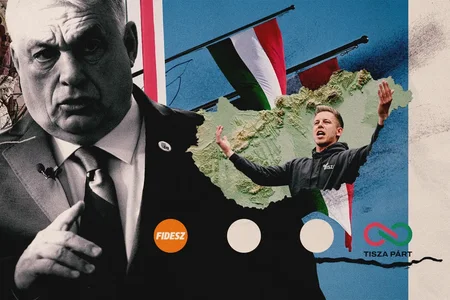
The parliamentary elections in Hungary on April 12 are among the most important in Europe in a long time. They will have direct and relatively immediate consequences for the defense of Ukraine, for the ability of Russia and China to exert influence in Europe, and for the effective functioning of the European Union itself.
If Prime Minister Viktor Orbán loses after 16 years in power, it will deprive illiberal democrats around the world of a guiding figure and role model.
His opponent, Péter Magyar, has channeled anger at widespread corruption in the government. Magyar emerged on the political scene in 2024, criticizing the enrichment of the ruling elite, of which he himself was previously a part.
The Financial Times has documented Orbán's system of crony capitalism and political control in a series of articles.
Magyar's anti-corruption message has resonated because he has linked it to a stagnant Hungarian economy, low wages, and poor public services.
While Orbán has once again focused his campaign on foreign interference, this time from Ukraine, which he claims is trying to drag Hungary into war with Russia, Magyar has focused mainly on economic issues, health and education.
“It's the war against the wallet,” says Zselyke Csaky of the Center for European Reform.
Who will pay for Hungary's economic slowdown?
A senior figure from the Tisza e Magyar party described the situation in Budapest this way last month: “If I had to choose one reason why Fidesz should lose, it would be the economic environment and the high inflation of recent years. This has made people notice other problems in the country. This is a fundamental change. People can no longer ignore democratic backsliding and corruption if the standard of living is not rising.”
Hungary’s economic performance since the last election in 2022 has been weak. A global inflation shock in 2021 was exacerbated in Hungary by Orbán’s generous pre-election measures, including tax refunds and additional payments to pensioners. This was followed by the government’s unsuccessful attempts to control prices and the forint’s sharp decline against the euro.
Core inflation reached 25 percent in early 2023, the highest level in the EU, and the annual average was 18 percent. The central bank raised interest rates to 13 percent to curb prices, slowing economic activity. The recession in 2023 was followed by two years of weak growth, although a recovery is expected in 2026.
Qeveria e Fidesz nuk ka arritur të adresojë problemet e sundimit të ligjit, për shkak të të cilave BE ka pezulluar rreth 20 miliardë euro fonde të rimëkëmbjes pas pandemisë, duke kufizuar investimet që mund të kishin nxitur rritjen.
Procesi i afrimit ekonomik të Hungarisë me pjesën tjetër të BE-së gjithashtu është ngadalësuar. PBB për frymë është rritur nga 65 për qind e mesatares së BE-së në vitin 2010 në 76 për qind në vitin 2023, më mirë se Sllovakia, por dukshëm më keq se Polonia apo Rumania.
Hungaria mbetet një ekonomi me paga të ulëta, me nivelin e tretë më të ulët në BE. Të ardhurat mesatare mujore neto janë 1038 euro, krahasuar me 2351 euro mesatarja e BE-së.
Fidesz ka kundërshtuar pretendimet për rënie të standardit të jetesës, duke argumentuar se pagat nominale janë rritur më shpejt se çmimet që nga viti 2021. Megjithatë, shtresat me të ardhura më të ulëta ndihen më të goditura nga rritja e çmimeve, veçanërisht kur përfshihen kostot e banimit.
Ekziston gjithashtu dyshimi mbi qëndrueshmërinë e rritjes së pagave, në kushtet e produktivitetit të ulët dhe financave publike të kufizuara. Papunësia u rrit në fund të vitit të kaluar në 4.9 për qind, niveli më i lartë në 10 vite, duke treguar se punëdhënësit mund të po reduktojnë fuqinë punëtore për shkak të kostove të larta.
Pagat mesatare u rritën me 26 për qind në janar, por kjo u ndikua ndjeshëm nga një bonus i njëhershëm për ushtarakët dhe policinë, i barabartë me gjashtë paga mujore, që shihet si një masë para zgjedhore.
Në total, qeveria ka shpërndarë përfitime fiskale dhe shpenzime për grupe të caktuara në vlerë prej 2.2 për qind të PBB-së këtë vit, sipas Këshillit Fiskal.
Këto masa kanë rënduar financat publike. Këshilli Fiskal paralajmëron se qeveria e ardhshme do të duhet të shkurtojë shpenzimet ose të rrisë taksat me 1.7 për qind të PBB-së për të përmbushur objektivat e BE-së për deficitin.
Megjithëse borxhi publik i Hungarisë është 75 për qind e PBB-së, më i ulët se mesatarja e BE-së prej 82 për qind, kostoja e shërbimit të borxhit është 6 për qind e PBB-së, më e larta në BE. Hungaria shpenzon pothuajse aq për interesat e borxhit sa për shëndetësinë publike dhe gati dyfishin e asaj që shpenzon për arsimin.
Magyar e ka bërë mungesën e financimit në shërbimet publike një nga temat kryesore të fushatës së tij.
Orbán erdhi në pushtet në vitin 2010 pasi qeveria socialiste kishte menaxhuar keq ekonominë pas krizës financiare globale. Sot situata nuk është aq e rëndë, por partia Tisza dhe disa ekonomistë të pavarur argumentojnë se hungarezët po paguajnë çmimin e një modeli ekonomik nacionalist që ka arritur kufijtë e tij.
“Orbánomics” është një kombinim i politikave industriale nacionaliste, taksimit agresiv sektorial dhe hapjes ndaj energjisë së lirë ruse dhe investimeve të mëdha industriale kineze. Ky model synonte të krijonte një klasë kapitaliste vendase të vetëqëndrueshme dhe të mbronte vendin nga paqëndrueshmëria perëndimore.
In practice, according to analyses, Hungary has performed worse than its neighbors and may be more exposed to external shocks.
Ilona Gizińska from the Center for Eastern Studies in Warsaw estimates that Hungary is in a “middle-income trap.” It remains dependent on foreign capital and low-value-added production.
During Orbán's 16 years in power, the productivity gap between domestic and foreign companies has not narrowed significantly.
According to her, “the oligarchization of the economy, the clientelistic system of public procurement and the politicization of institutions have weakened the country's competitiveness, innovation and ability to climb global value chains.” /Adapted from FT /



Lini një Përgjigje