


 Shkruar nga Zija Vukaj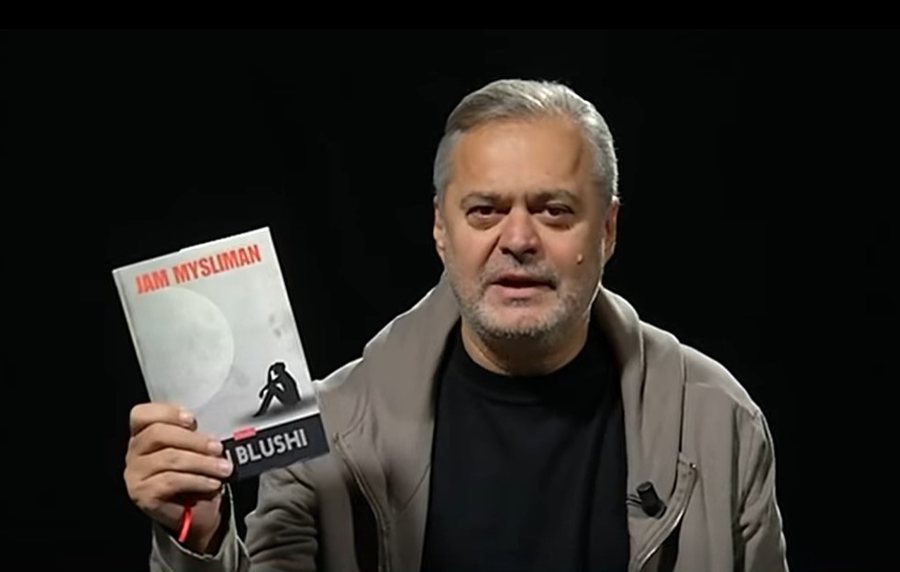
Between Shilla and Charybdis: Notes on the book "I am Muslim" by writer Ben Blushi
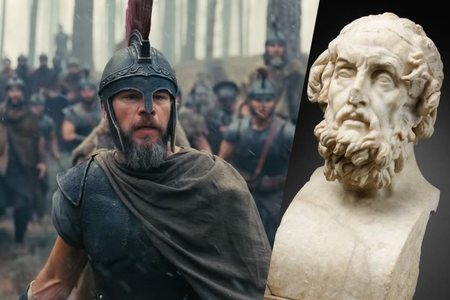
The conception of a literary work like the novel " I am a Muslim " by author Ben Blushi constitutes an extremely daring incursion; a journey into a scorching zone of hell; a wandering like that of Odysseus in the Strait of Messina - between Scylla and Charybdis.
If we dethrone the myths and bring them into the reality of the Albanian world, they will show us, in analogy to the sea monsters of Messina, our taboos, untouchable things, ethnocentrism, official, popular and tribal sacralities, natural, non-negotiable and unforgivable sympathies and aversions, integral and highly symmetrical indoctrinations between different communities, which have divided the human world into parcels of feelings, beliefs, often even into small towers like spores of integralism.
And between these plots there are almost impermeable straits, which no Odyssey can cross without getting wet. And from these straits that often isolate entire communities and groups of every color, belief and religion, that are congruent and so symmetrical that they resemble each other like drops of water, indelible and hereditary scars are created, from which streams of misunderstandings and poisons flow, which perhaps need to be identified, pointed out and brought out to heal in the sun of truth.
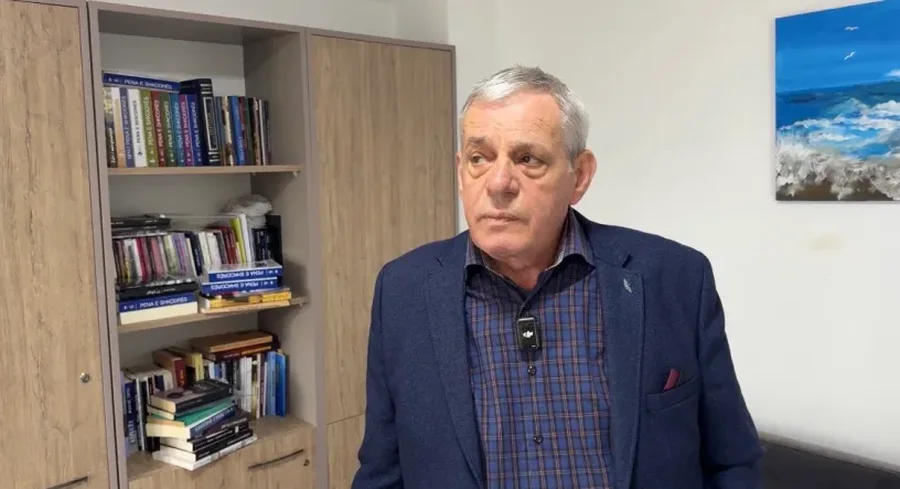
Above all, the scars and sources of spiritual and mental poisoning should not be embellished wherever they come from; they do not need makeup, but they do need a scalpel. And the surgeon in such cases can be the intellectual, the thinker, the writer, the artist, the visionary individual who precedes with his deep, honest and impartial gaze, who grasps with his eyes all sides of the horizon of his society.
His scalpel can be a book, the sharp tip of journalism, a work of art, the articulation of progressive ideas, knowledge of the base and superstructure of society, and above all, love for the people and history, respect for tradition, reverence for every spiritual institution of his nation.
The book " I am Muslim " came as a bold, controversial and somewhat "unexpected" work for Albanian readers.
Author Blushi, with the intuition of a virtuoso novelist, has played a subtle and elegant game from the beginning, a trompe-l'œil, "taking a risk" with the declarative, predicative and almost strange title: " I am a Muslim ".
Kjo lojë ka funksionuar e funksionon para leximit, madje para marrjes së vendimit për ta blerë librin. Një lexues me bindje myslimane joshet, sepse titulli i përkëdhel ndjenjat fetare dhe e merr ta lexojë, anipse gjysma e parë e librit, sado procedim i lartë artistik në të gjithë komponentët, është një sfilitje e pritshmërive të tij.
Lexuesit të krishterë ky titull i përplaset befas dhe mërzitet për apostazinë (felëshimin) e autorit Blushi. Por ka kureshtje ta mësojë se çfarë arsyesh pati ky shkrimtar klasi që hyri në këtë mëkat. Dhe e merr librin për të mësuar arsyet.
Pas këtij pragu dilematik, lexuesit futen në botën e leximit të këtij romani fort tërheqës dhe e kanë të vështirë të shkëputen qoftë edhe për pak çaste pa i shkuar deri në faqen e fundit.
Pra interesimit për librin nuk i shpëton pothuajse asnjë tipologji lexuesi dhe kësisoj është zgjidhur që në fillim një nga synimet më të natyrshme e madje kryesore (përveç aspektit estetik) të çdo autori që merr penën të shkruajë.
Sepse edhe komercializmi është i vjetër, të paktën sa Shekspiri. Shprehet Noli te introdukti i Jul Çezarit: "Tragjedia mund të kishte emrin Mark Bruti, sepse Bruti ishte personazhi qendror shumë i pranishëm dhe zembereku i gjithë veprimit, ndërsa Çezari shfaqet fare pak (dyherë e gjysmë), madje herën e tretë del vetëm fantazma e tij në Maqedoni. Por Shekspiri si një biznesmen i mirë anglo-sakson i vendos dramës emrin e personazhit që kishte hijen dhe peshën më të lartë në histori".
I sigurt se lexuesit e zgjuar mund ta kenë nuhatur ironinë e autorit pa e shfletuar dhe janë skeptikë ndaj kësaj dashurie të çuditshme apo depistazhi, autori Blushi ka bërë me mjeshtëri një hap tjetër të bukur, që rrezaton mirësi, empati, humanizëm dhe zhdukje dilemash.
Në fillim të librit ka vendosur këtë shënim kushtues: "Këtë libër ua kushtoj myslimanëve që më rritën. Xhamia e tyre ishte familja, Zoti i tyre ishte dashuria, feja e tyre ishte nderi. Unë jam po aq mysliman sa ata".
Pas kësaj formule magjike dhe përdëllyese, autori ndihet më i lirë të shkruajë ashtu siç ndjen dhe gjykon, shpesh pa pasur nevojë të kalojë nëpër filtrat diskretë të komunikimit, pa u tutur të shpallë pëlqimet, mospërputhjet, neveritë, simpatitë e personazhit të vet shkrimtar–alter ego, përgjatë rrëfimit të tij ironik, psikologjik e filozofik mbi bëmat, gëzimet, ndeshtrashat, dertet që i përgatit dinaku fat në Rrugën e Kavajës që bashkon Dajtin me Adriatikun.
Dhe qysh te ky përcaktim hapësinor i habitatit të tij lexuesi ndjen parashenjën e një letërsie të këndshme, të pangjashme, të zgjuar, të shkathët e me elementë magjikë.
Në këtë univers, protagonisti përballet me islamizmin dhe islamistët, botën e tyre të mistershme, doktrinat dhe dogmën e tyre, ritet, shijet, praktikat e tyre, sjelljet, veshjet, mënyrën e jetesës etj., duke u zhgënjyer dita-ditës nga ky komunitet i cili me sa duket ka qëllime të islamizojë ngadalë gjithë shoqërinë shqiptare.
Ky komunitet ka Sharian për kushtetutë, një ligj që lejon dhunën dhe dënon pafajësinë.
Faqe të tëra i kushtohen underground-eve të funksionimit të jetës së këtyre njerëzve, por edhe përshkrimit të individëve me mjaft kolorit e mjeshtëri.
Por sado e zymtë është Rruga e Kavajës, sado e madhe është vetmia e shkrimtarit, ai gjen në këtë shkreti shpirtërore edhe ishuj qetësie.
Nuk është i keq gjithë komuniteti. Aty është edhe miku i tij Ali Baba, plak babaxhan dhe filozof jete, sipas mënyrës së tij.
Ndërkaq ditët shoqërohen me ngjarje të ndryshme, me martesa poligamike, me ndëshkime makabre dhe ndodhi që implikojnë doradorës edhe jetën e vetë protagonistit, qetësinë e tij familjare dhe kulmojnë me simulimin e shembjes së monumentit, gjithçka konform parimit të arsyes së realizmit me hijezime magjike.
Kjo atmosferë që mbizotëron gjithë pjesën e parë, ndryshon me rastin e udhëtimit të protagonistit me gruan e tij të dytë në Arabi, ku shoqërohet me arabin fisnik Al Xhuvali.
Gjatë qëndrimit atje dhe vizitës në Mekën e shenjtë heroi shikon një realitet tjetër. Realitet që s’kishte të bënte me islamikët e Rrugës së Kavajës.
Aty edhe ndriçohet shpirtërisht dhe formulon dy koncepte: myslimani dhe islamiku.
I pari, fetari i ndershëm, i çiltër, i fisëm – qytetar i denjë i gjithë botës.
I dyti, më shumë se i indoktrinuar, i devijuar nga mësimet origjinare të fesë, i fshehtë, invadent dhe i manipuluar nga qarqe me qëllime kolonizuese, që urren simbolet shpirtërore të kombësisë tjetër.
Në një fjali koncize autori shprehet: "Myslimanen e dua – islamiken e kam frikë".
I kapluar në këtë lloj dikotomie, ai ka ndërtuar me shembuj konkretë, me përshkrime, digresione, gjykime alternative dhe vëzhgime e depërtime të mprehta pas përvojës në Mekën e Shenjtë, logosin e diskursit të vet artistik:
" In Arabia and especially in Mecca, everyone is Muslim. Muhammad was Muslim. Those who cover the beauty of women with burqas are Islamic. The Prophet was Muslim. Those who kill in his name are Islamic. Islam is Muslim. Sharia is Islamic. Ali Baba is also Muslim. Al Xhuvali is Muslim. The Imam of the Kavaja Street is Islamic. In Arabia my wife is Muslim, while in Albania she is Islamic and that is why I have the impression that I live with two different women. I love all Muslims. I love Ali Baba, for whom I bought a pair of prayer beads... They have my soft touch of a plastic atheist and the shape of my fingers of a stubborn writer. When Ali Baba takes them in his hands, he feels the flood of my sincere love run through his veins. He is the man who taught me to distinguish a Muslim from an Islamic ."
Reading this paragraph and many others, going through numerous passages where author Ben Blushi paints with love, amazement and a poetic intoxication, it seems as if we are in those sweet conversations of the verses of the poem "Mahomets Gesang" (Song of Muhammad) written by JW von Goethe in 1773, part of the famous lyrical epic "West-östlicher Divan" (1819).
And Goethe, the author of the term Weltliteratur (world literature), the Olympian of Weimar, illuminated the difficult, almost insurmountable path of "encountering the other."
The artistic procedure within this book is complex and masterful, from the composition, the stylistic arsenal, the rhythm of the prose, dense with poetic cadences and musicality, the rich lexicon to provide sensory sensations on the color of life and the exotic sights, colors and sounds of the Albanian and Eastern worlds.
In addition, the ability to conceive and portray characters, often with a dominant trait, that gives the semiotic essence of a ready-made type of the human world, under a lush style, which also constitutes one of the characteristics of this writer, unfolded in this work which deserves to be read with due attention for an accomplished novel that seems to have the resonances of Hispanic echoes, for the narrative knots that accompany the impulses and breathing of the poetic nerve of an inspired soul that conveys not only irony, humor, sometimes even absurdity, but above all, it becomes a powerful message of humanism, human love, altruism and empathy, conceived and raised by the principles of reason.




Lini një Përgjigje