


 Shkruar nga Pamfleti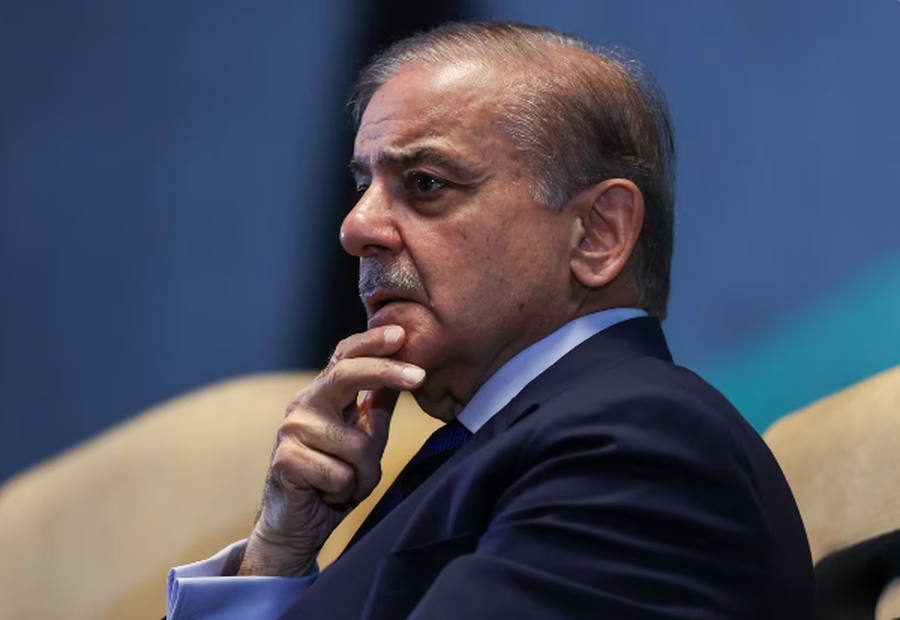
Pakistan has intensified diplomatic efforts to avoid escalating the conflict in the Middle East, proposing a two-week ceasefire and postponing US President Donald Trump's ultimatum to Iran.
Prime Minister Shehbaz Sharif called on the warring parties to accept a temporary cessation of hostilities “to allow diplomacy to reach a final conclusion to the war.” He also demanded that the US extend the deadline by two weeks and that Iran reopen the Strait of Hormuz during that period.
In a development that could change the course of the crisis, a regional source told CNN that "good news is expected from both sides very soon," adding that the discussions are being led directly by Pakistan's army chief, Field Marshal Asim Munir. According to the same source, a deal could be struck as early as tonight.
The White House confirmed that President Trump has been informed of Pakistan's proposal and that a response is expected, while Trump himself stated that the US is in "intense negotiations" on the conflict with Iran, without providing further details.
" We are in intensive negotiations ," he said, implying that the situation remains open and rapidly evolving.
Pakistan, along with Egypt, Turkey and Saudi Arabia, has played a key role as a mediator between the parties in recent weeks. According to Sharif, diplomatic efforts are “advancing steadily, strongly and with the potential for concrete results in the near future.”
The developments come at a critical moment, just hours before the expiration of the US ultimatum, as the region remains at maximum tension and any decision could determine whether the crisis will be resolved through diplomacy or escalate into an open military clash.
Will Trump strike or will we have peace?
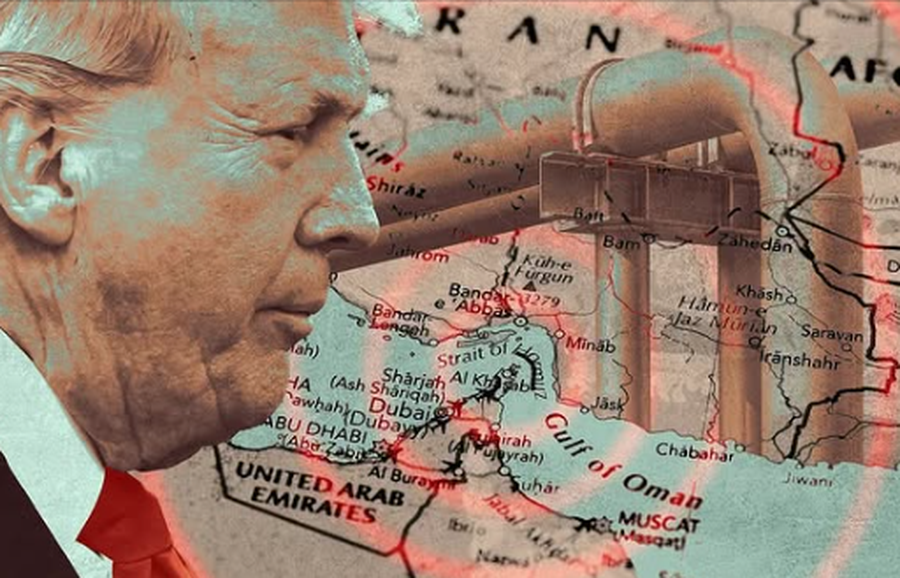
The world is entering a crucial hour, as US President Donald Trump's ultimatum to Iran nears expiration and tensions in the Middle East have reached a critical level.
The deadline set by Trump, 8:00 PM Eastern Time (2:00 AM in Albania), requires Iran to accept a deal and open the Strait of Hormuz, or face severe military strikes.
The situation further escalated after Tehran cut off all contacts, direct and indirect, with the United States, including mediation channels through Pakistan.
The cause was the harsh rhetoric of the American president, who in a post on Truth Social warned that "an entire civilization will die tonight", a statement that caused strong international reactions and debate even within the US.
Former White House communications director Anthony Scaramucci interpreted the language as a possible signal for the use of nuclear weapons, calling for Trump's immediate removal from office. The White House, on the other hand, denied any such scenario.
Meanwhile, developments on the ground indicate that the escalation may have begun even before the ultimatum expires. Attacks have been reported near strategic facilities in Iran, including Kharg Island, a key hub for oil exports. US officials clarified that military facilities, not energy infrastructure, were hit.
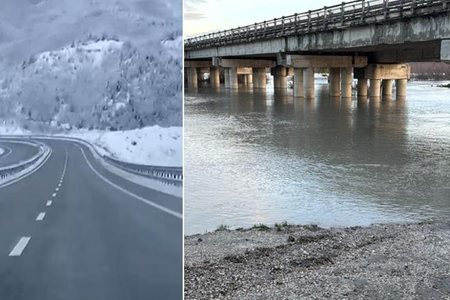
At the same time, attacks have hit roads, highways and railway lines in parts of Iran, while an attack on a railway bridge has caused casualties. Israeli sources confirm that transportation networks across the country have been targeted.
Despite this, Vice President JD Vance stated that these strikes do not constitute a change in strategy and do not affect the deadline set by Trump.
The rising tensions have also raised international legal concerns. Experts and lawyers warn that targeting civilian infrastructure, including power plants or water systems, could constitute a war crime under the Geneva Conventions.
“We are looking at a direct threat that would have catastrophic consequences for civilians,” said Margaret Donovan, a former US Army lawyer.
Meanwhile, several countries – including Gulf states – have privately warned the US administration about the potential consequences of such an attack, fearing Iranian retaliation against their infrastructure.
Despite these concerns, Trump has defended his stance, stating that the real danger is "allowing Iran to have nuclear weapons."
In this climate of extreme tension, countries in the region have begun to take emergency measures, while citizens are warned to stay in safe environments.
With the hours ticking away towards the expiration of the ultimatum, the Middle East remains "on a razor's edge," while any decision in the coming moments could determine whether the crisis will turn into an open conflict with global consequences.
Military pressure increases, but Hormuz and geopolitical balances make the outcome uncertain
As US President Donald Trump's ultimatum nears expiration, the war in the Middle East enters a crucial phase, with the United States and Israel intensifying attacks on targets in Iran, but without a clear strategic outcome.
After six weeks of intense bombing, Tehran seems to have come to the conclusion that it will not be the only losing party in this conflict. In some scenarios, the situation could even result in strengthening its regional position.
Trump's recent statements, including the warning that "an entire civilization will die tonight," have opened up a wide range of interpretations. However, analysts emphasize that some of this rhetoric must be seen in the context of the US president's political style, known for maximum statements and public pressure.
From a military perspective, the US's ability to hit Iran hard is unquestionable. Washington has the capacity to destroy the country's energy and military infrastructure. But, as the analysis points out, this does not translate into the ability to "wipe out a civilization."
Iran represents a deep historical and social structure, where even in the event of severe shocks, the system and society have the capacity to survive and recover in time. Also, any military operation affects not only state structures, but also the civilian population, without distinguishing between supporters and opponents of the regime.
In this context, the US faces a familiar historical dilemma: how to emerge from a conflict of its own choosing. Examples like Vietnam or Afghanistan show that military superiority does not guarantee a clear political or strategic exit.
According to the analysis, Washington's recent actions have limited the space for a controlled withdrawal, while each new strike, in addition to physical damage, also undermines the political narrative of a "quick victory."
Against this backdrop, Trump's statements could also be interpreted as an attempt to impose a quick result – a "high-risk move" that he has often used in his career, but which in this case has much broader geopolitical consequences.
One of the key elements of this crisis remains the Strait of Hormuz. Before the conflict began, Iran did not use this card, although it had the capacity to do so. Today, the situation has changed: the strait has become Tehran's main strategic tool.
Control – even indirectly – over this key point of global energy trade gives Iran new diplomatic weight. Even if the US manages to secure temporary military control, long-term possession and management of this area remains a major challenge.
In practice, any long-term solution to Hormuz is likely to involve Iran, regardless of who is in power in Tehran. This, the analysis says, constitutes a “surprise gift” for Iran: de facto recognition as an indispensable actor in the regional security architecture.
Thus, as military pressure on Tehran increases and the ultimatum clock counts down the final minutes, the reality on the ground remains complex: a conflict where military superiority does not guarantee a political outcome and where any further development could reshape the balances throughout the region. / Adapted from "Protothema"
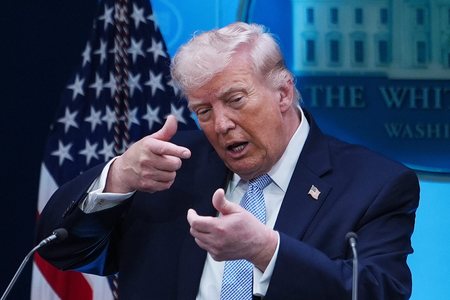
US President Donald Trump declared that the United States is in "intense negotiations" regarding the conflict with Iran, refusing to provide concrete details about the progress of the talks.
"I can't tell you, because we're currently in heated negotiations," Trump said in a brief telephone interview with Fox News, signaling that developments are at a critical stage.
He added that he expects to be fully briefed on Pakistani Prime Minister Shehbaz Sharif's proposal for a two-week ceasefire, an initiative that could lead to a postponement of the ultimatum set by the US.
" I know him very well. He's a very respected man ," Trump said of Sharif, without confirming whether he would accept the proposal.
According to sources cited by US media, the administration in Washington remains hopeful that negotiations through intermediaries can produce a minimal agreement with Tehran. Such a development could prompt Trump to delay the deadline for striking power plants and bridges in Iran, or at least reduce the intensity of the military operation.
However, the situation remains unclear. The Wall Street Journal reported that Iran has cut off direct diplomatic contacts, while the New York Times went further, noting that indirect channels have also been halted. Despite this, sources told CNN that the US continues to seek a diplomatic solution and that developments remain very fluid.
Two of these sources describe Trump's harsh rhetoric - including the warning that "an entire civilization will die tonight" - as a strategy to exert maximum pressure on Tehran to accept Washington's terms.
However, the same sources emphasize that the US president is ready to implement his threats and move to expanded military operations if negotiations fail.
On the other hand, the White House has made it clear that the final decision remains in Trump's hands.
" The Iranian regime has until 8:00 p.m. Eastern Time to make a deal with the United States. Only the president knows where things stand and what he will do ," spokeswoman Caroline Leavitt said.
As the clock ticks toward the set deadline, scenarios remain open – from a possible postponement of the ultimatum to an immediate military escalation, with far-reaching consequences for the entire region.
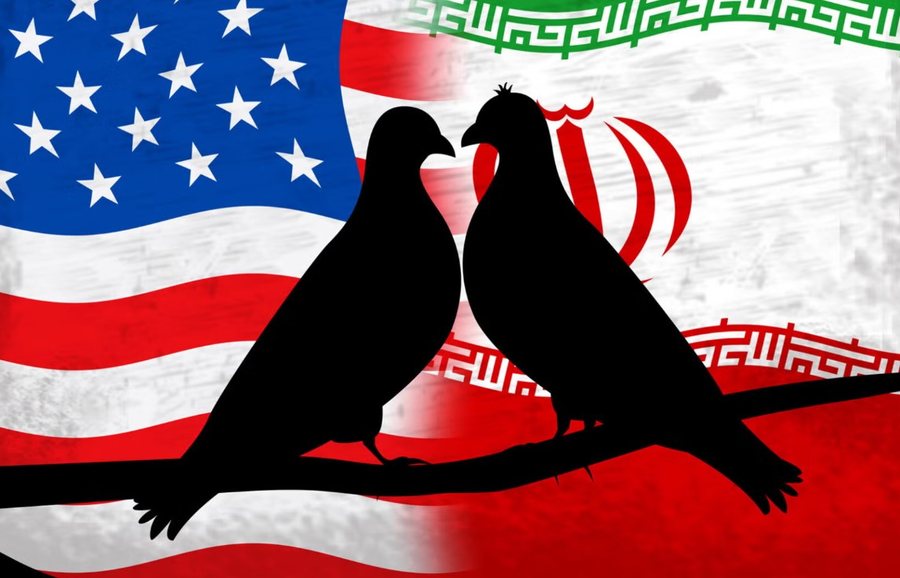
Iran is positively considering Pakistan's proposal to postpone the ultimatum set by US President Donald Trump, creating a new space for negotiations at the most critical moments of the crisis.
The news was reported by Reuters, citing a senior Iranian official. According to this source, Tehran is considering the possibility of a two-week extension of the deadline, linked to the temporary opening of the Strait of Hormuz - one of the most sensitive points of the current standoff.
This development comes just hours before the expiration of the American ultimatum and after Iran broke off diplomatic contacts, making Pakistan's proposal one of the last efforts to avoid escalation.
On the other hand, the White House confirmed that it is aware of the initiative of Pakistani Prime Minister Shehbaz Sharif.
"We are aware of the proposal and will respond," US administration sources said, without providing further details on Washington's position.
The US reaction is expected to be decisive, as any decision to postpone or not the ultimatum could determine whether the crisis will move towards a diplomatic solution or an immediate military escalation.
At this stage, developments indicate a very fluid situation, where even a small diplomatic step could significantly change the course of events in the Middle East.
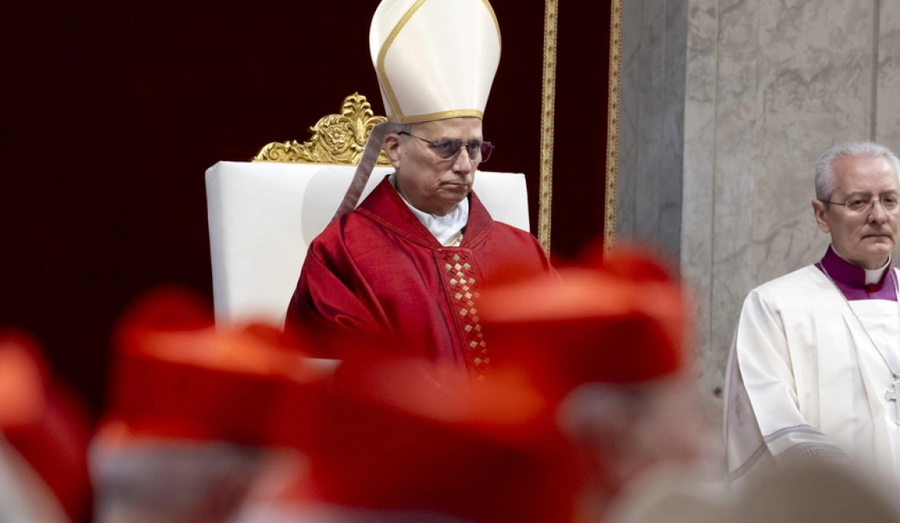
Urgent call for de-escalation as world awaits ultimatum expiration
At a critical moment for the Middle East, as the world counts down the hours to the expiration of US President Donald Trump's ultimatum, Pope Leo XIV has reacted sharply to the latest threats, describing them as unacceptable and with serious consequences for civilians.
" Today, as we all know, we have had this threat against the entire people of Iran. This is truly unacceptable ," the Pope declared, speaking to reporters as he left his residence in Castel Gandolfo.
He stressed that the situation is not just a political or military issue, but directly affects the fundamental principles of international law and morality.
" There is clearly an issue of international law here, but much more than that. It is a moral issue for the good of an entire people ," he said.
In a direct appeal, the Pope urged decision-makers to reflect on the human consequences of the conflict, at a time when rhetoric and military actions are escalating.
" I want to invite everyone to think about the hearts of so many innocent people, so many children, so many elderly people. These are completely innocent people who could become victims of the culmination of a war that has been going on for days ," he added.
The Pope's statement comes as tensions have reached a peak and fears of an imminent escalation remain high, with countries in the region on alert and diplomatic channels almost cut off.
In this climate, the Vatican's call for caution and responsibility emphasizes the human dimension of the crisis, at a moment when political decisions could have irreversible consequences for millions of civilians.
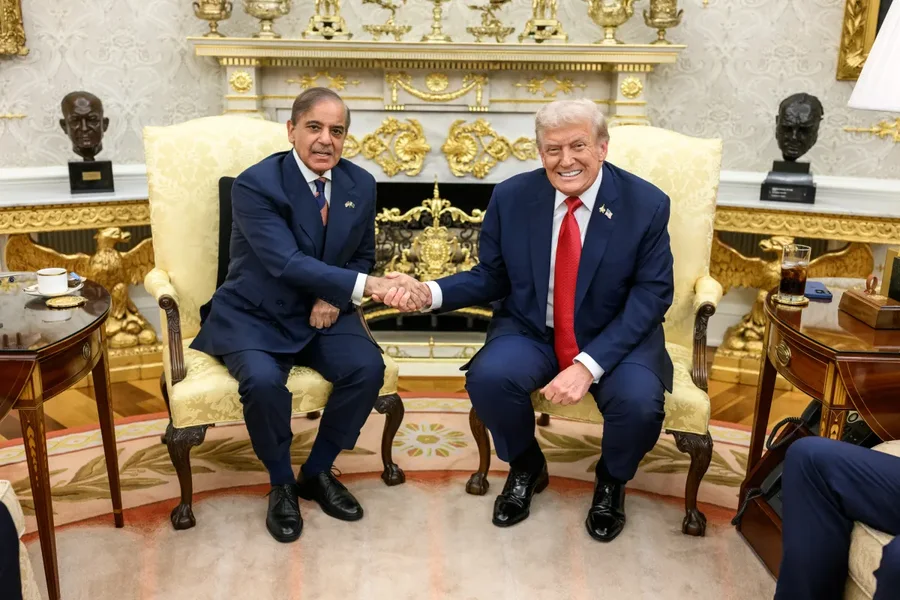
Pakistan's Hormuz Proposal on the Table, White House: We Will Respond
A few hours before US President Donald Trump's ultimatum expired, Pakistan intervened with a diplomatic appeal to avoid further escalation of the crisis.
Pakistani Prime Minister Shehbaz Sharif has officially asked Trump to extend the deadline for reaching a deal with Iran by two weeks, proposing that Tehran open the Strait of Hormuz during this period.
In a reaction on the X platform, Sharif stressed that the diplomatic efforts currently underway are giving positive signs and should not be interrupted at this critical stage.
“ These efforts are likely to lead to concrete results in the near future ,” he wrote, adding: “ To allow diplomacy to take its course, I strongly urge President Trump to extend the deadline by two weeks .”
Sharif also called on Tehran to open the Strait of Hormuz for the same period "as a gesture of goodwill."
" We also call on all warring parties to respect a ceasefire everywhere for two weeks to allow diplomacy to achieve a final end to the war, for the benefit of long-term peace and stability in the region ," he added.
A little later, Iran reacted, saying that it was positively considering Pakistan's proposal to postpone the ultimatum.
The news was reported by Reuters, citing a senior Iranian official. According to this source, Tehran is considering the possibility of a two-week extension of the deadline, linked to the temporary opening of the Strait of Hormuz - one of the most sensitive points of the current standoff.
On the other hand, the White House confirmed that it is aware of the initiative of Pakistani Prime Minister Shehbaz Sharif.
" We are aware of the proposal and will respond ," US administration sources said, without providing further details on Washington's position.
Pakistan has played a key role as a mediator between Washington and Tehran in recent weeks, in an effort to avoid direct confrontation. However, tensions have risen sharply, especially after the cessation of contacts by Iran and harsh rhetoric from the US.

Lëvizje të pazakonta janë raportuar në bazat ushtarake amerikane në Europë, duke shtuar spekulimet për një valë të re sulmesh ndaj Iranit, në një moment kur po afron afati i ultimatumit të presidentit Donald Trump.
Sipas raportimeve, bombardues strategjikë dhe avionë furnizimi janë parë duke u ngritur nga disa baza në kontinent, një zhvillim që zakonisht lidhet me përgatitje për operacione ajrore në distanca të gjata.
Ky mobilizim nuk vjen në izolim. Prej javësh, Shtetet e Bashkuara kanë forcuar praninë ajrore në Europë, veçanërisht në baza si RAF Fairford në Mbretërinë e Bashkuar, ku janë dislokuar bombardues B-1 dhe B-52 për operacione ndaj Iranit.
Këta avionë përdoren për goditje të thella strategjike, përfshirë objektiva nëntokësore dhe infrastrukturë ushtarake, dhe shpesh shoqërohen nga avionë cisternë për furnizim në ajër, duke mundësuar misione të gjata direkte drejt Lindjes së Mesme.
Zhvillimet e fundit përkojnë me rritjen e presionit nga Uashingtoni. Presidenti Trump ka paralajmëruar se SHBA mund të godasë infrastrukturën iraniane “brenda orësh” nëse nuk ka progres në negociata dhe nëse Ngushtica e Hormuzit nuk hapet.
Nga ana tjetër, qytetarëve gjermanë dhe holandezë në Emiratet e Bashkuara Arabe u është thënë të largohen nëse qëndrimet e tyre nuk janë më të nevojshme.
Ambasada holandeze u ka kujtuar qytetarëve të saj në vend se kishte lëshuar një alarm udhëtimi me kod portokalli – duke paralajmëruar kundër të gjitha udhëtimeve përveç atyre thelbësore – në fillim të luftës.
“Shqyrtoni nëse qëndrimi juaj në Emiratet e Bashkuara Arabe është ende i nevojshëm. Nëse kjo nuk është më rasti, largohuni nga vendi”, thuhej në njoftimin e publikuar.

Middle Eastern countries are raising their level of preparedness and issuing warnings to their populations as a deadline set by US President Donald Trump for negotiations with Iran approaches.
In Kuwait, the Interior Ministry has asked citizens and residents to stay at home from midnight until 6 a.m. Wednesday. Authorities describe the measure as “preliminary,” but it directly coincides with the deadline announced by Trump, which expires at 8 p.m. Eastern Time.
The US president's statements have significantly increased tension in the region, as he warned that after this deadline there could be dramatic developments, saying that "an entire civilization will die."
In parallel, similar security measures have been taken in Bahrain. The United States Embassy in Manama has asked all US government employees to shelter in place.
" We recommend that all Americans in Bahrain do the same until further notice ," the official statement said.
The embassy advises citizens to stay in safe environments and avoid standing near windows, reflecting concern about a possible military escalation.
The latest measures show that countries in the region are preparing for emergency scenarios, while the situation remains unclear and any development after the ultimatum expires could have immediate consequences for regional security.
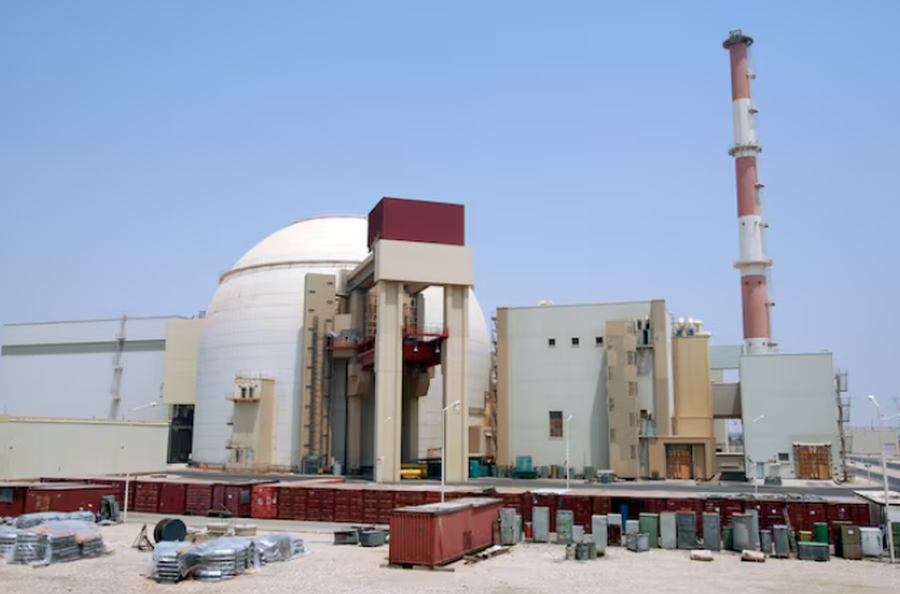
Health authorities in the southern Iranian city of Bushehr, home to the country's only nuclear power plant, have distributed 180,000 iodine tablets to residents as part of a crisis preparedness plan.
The tablets protect the population from ingesting radioactive iodine, a common byproduct of a nuclear power plant explosion and leak, which accumulates in the thyroid.
Priority was given to areas around the nuclear power plant, before expanding to cover the entire city.
Residents are advised to take the tablets 24 hours before to four hours after potential exposure, with one tablet per person, although the dosage varies depending on age.
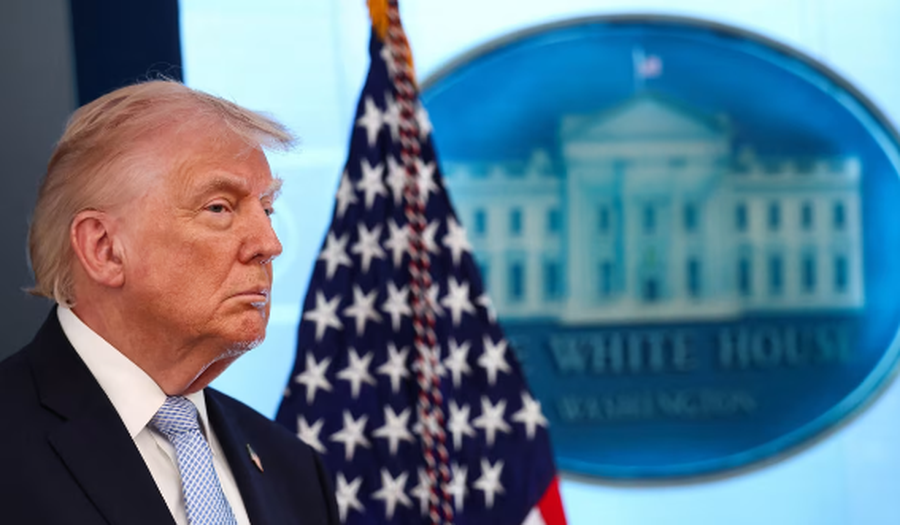
Shumë ligjvënës demokratë në Kongresin amerikan kanë bërë thirrje për aktivizimin e Amendamentit të 25-të ndaj presidentit Donald Trump, pas deklaratave të tij të fundit lidhur me Iranin.
Trump deklaroi se “një qytetërim i tërë do të vdesë sonte”, ndërsa i referohej afatit të vendosur për Iranin që të hapë Ngushticën e Hormuzit. Këto komente kanë nxitur reagime të forta në radhët e demokratëve.
Amendamenti i 25-të i Kushtetutës së SHBA-së i jep zëvendëspresidentit dhe shumicës së kabinetit mundësinë për t’i hequr kompetencat presidentit, nëse vlerësohet se ai nuk është i aftë për të ushtruar detyrën. Në mungesë të kësaj, Kongresi mund të krijojë një organ të posaçëm për të shqyrtuar këtë çështje.
Disa prej reagimeve kryesore nga ligjvënësit demokratë përfshijnë:
Përfaqësuesja Yassamin Ansari deklaroi se retorika e Trump “ka kaluar çdo kufi” dhe njoftoi se po paraqet nisma për shkarkimin e Sekretarit të Mbrojtjes, Pete Hegseth.
Përfaqësuesja Ilhan Omar e përshkroi presidentin si “të paqëndrueshëm” dhe kërkoi largimin e tij nga detyra.
Përfaqësuesi Shri Thanedar tha se deklaratat e Trump përbëjnë kërcënim masiv dhe se Kongresi duhet të ndërhyjë për të parandaluar përshkallëzimin e situatës.
Përfaqësuesi Mark Pocan vlerësoi se presidenti është i papërshtatshëm për të mbajtur përgjegjësi të ndjeshme si kontrolli mbi armët bërthamore.
Përfaqësuesja Sarah McBride i cilësoi deklaratat e Trump si ndër më të rrezikshmet, duke theksuar se kërcënimet për krime lufte duhet të përballen me përgjegjësi ligjore.
Përfaqësuesja Melanie Stansbury kërkoi që të nisë procedura për Amendamentin e 25-të dhe u bëri thirrje republikanëve të mbështesin këtë hap.
Nga ana tjetër, Shtëpia e Bardhë ka minimizuar spekulimet se administrata po shqyrton përdorimin e armëve bërthamore ndaj Iranit.

Pezheskian reportedly accused the head of the Revolutionary Guard and army leaders of acting unilaterally and leading to an escalation…
Iran is facing a deep division at the highest levels of power, at a critical moment when the ultimatum set by US President Donald Trump to open the Strait of Hormuz is expiring.
According to Iran International, President Masoud Pezeshkian has accused senior Revolutionary Guard leaders of unilateral actions that have undermined ceasefire efforts and are pushing the country toward a dangerous escalation.
Two sources close to the presidency said that a heated exchange took place on April 4 between Pezeshkian and Hossein Taeb, an influential figure close to the supreme leadership. Those present described the meeting as “extremely difficult and very tense.”
According to the same sources, the Iranian president has directed direct criticism at the commander of the Revolutionary Guard, Ahmad Vahidi, and Ali Abdollahi, head of the Khatam al-Anbiya central command, accusing them of acting outside political control.
He argued that attacks on infrastructure in countries in the region have undermined any chance for negotiations and are driving Iran toward isolation and open confrontation.
The rift comes at a time when pressure from abroad is increasing sharply. US President Donald Trump has warned that the US will launch strikes on Iranian infrastructure "within hours" if Tehran does not allow the reopening of the Strait of Hormuz.
Meanwhile, diplomatic channels have been cut off and tensions on the ground have increased, making the situation particularly volatile. / Pamphlet
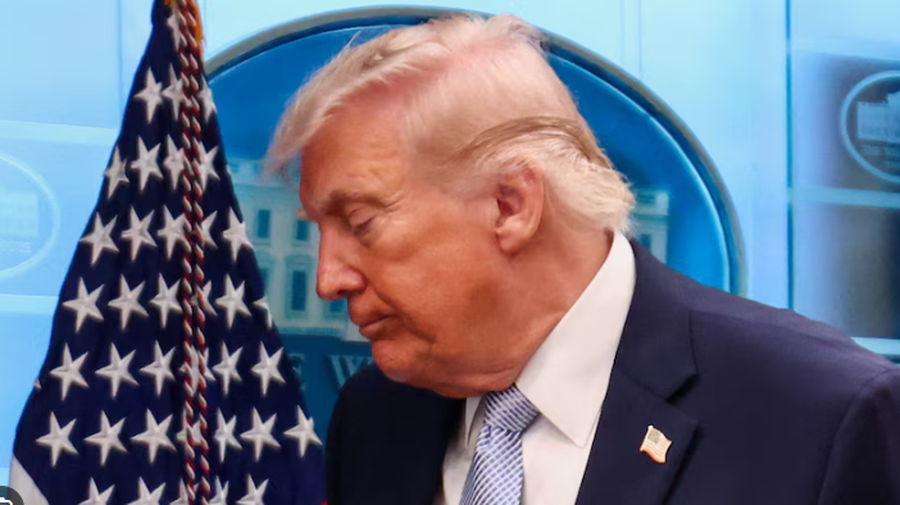
Iranian government spokeswoman Fatemeh Mohajerani stated that US President Donald Trump's threats do not help open a possible dialogue between Tehran and Washington.
In an interview with the Iranian state news agency IRNA, Mohajerani called Trump's threat to destroy Iranian civilization a "sign of ignorance."
“Maintaining the peace and security of the people is the government’s top priority, and threats will not disturb public peace,” she said. According to Mohajerani, “the door to dialogue opens with respect,” while “the narrow path of threats, pettiness, and humiliation” does not create space for talks.
She added that the threat to a "civilization" shows a lack of knowledge about the history of a nation that, according to her, has repeatedly faced crises and survived.
Earlier on Tuesday, US Secretary of State Marco Rubio hinted that there could be new developments later in the day. In a statement to CNN, he said he would
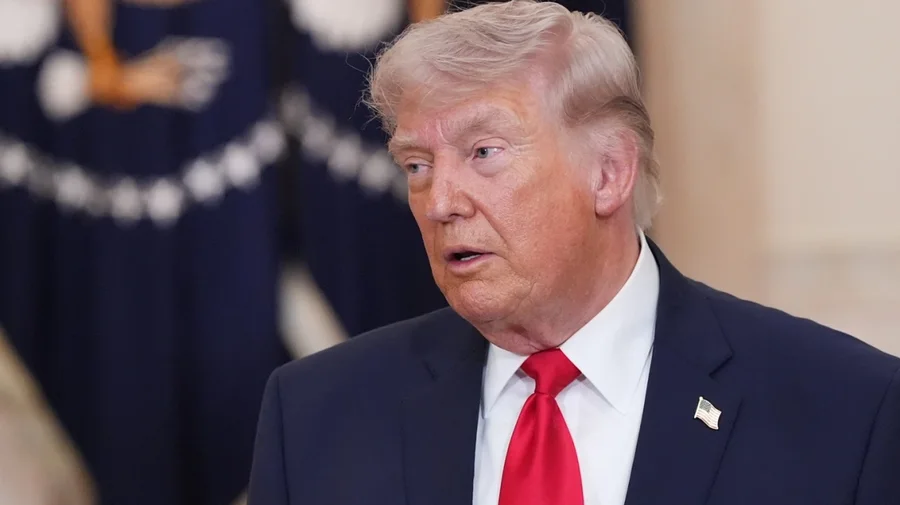
President Donald Trump confirmed that the US is ready to launch severe attacks against Iran if a ceasefire is not reached within the specified deadline (2 am Albanian time on Wednesday).
Trump made the comments during a phone interview with Fox News' Bret Beyer, promising that "8 p.m. will be respected."
" I just got off the phone with the president and he called me and I said, listen, if I had to bet, what are the odds that this will end in a negotiated deal? He said he wouldn't bet. But he said, 'at 8 o'clock tonight it will happen.' That's what he said ," Beyer said, describing his phone conversation with the president.
“ He said that if we get to that point, there will be an attack that they have never seen before. Now he is insisting on this point. He said that if the negotiations move forward today and there is something concrete, that could change. But for now, he did not want to bet. But he said that we are moving forward with the plans that we have. This is very important ,” he added.
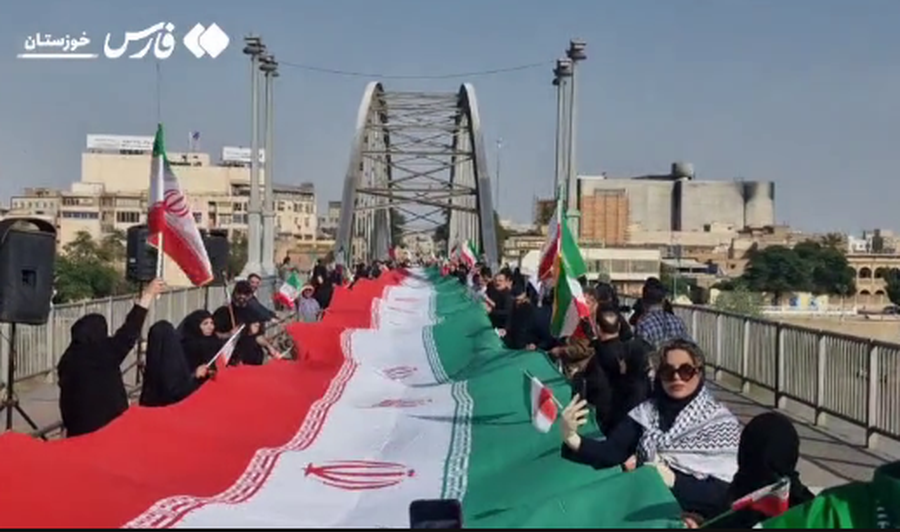
Iranian citizens have gathered near important infrastructure facilities, including bridges and power plants, according to footage published by Iranian state media, following President Donald Trump's threat.
The development comes after statements by an Iranian official, who suggested that young people form "human chains" around key points that could be considered potential targets for attacks by the US and Israel.
Footage released by the Fars news agency shows a group of people holding a large Iranian flag on the Pol Sefid Bridge in the southwestern city of Ahvaz. Other footage, according to Fars, shows a "chain of students" on the historic Old Bridge in Dezful.
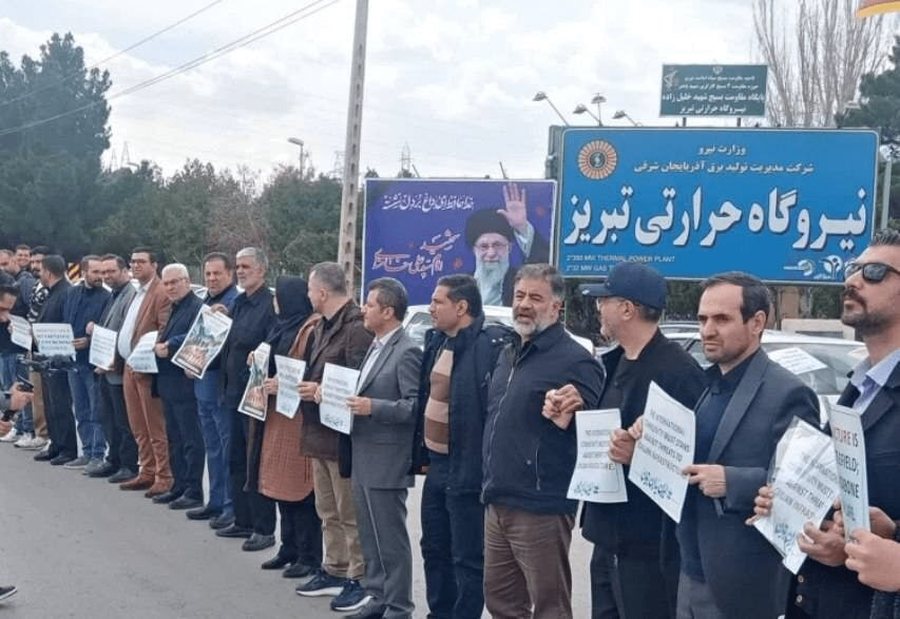
Photos published by the same media also show citizens gathered outside the Shahid Rajaee power plant near Tehran and another group with banners outside a power plant in Tabriz, northern Iran.
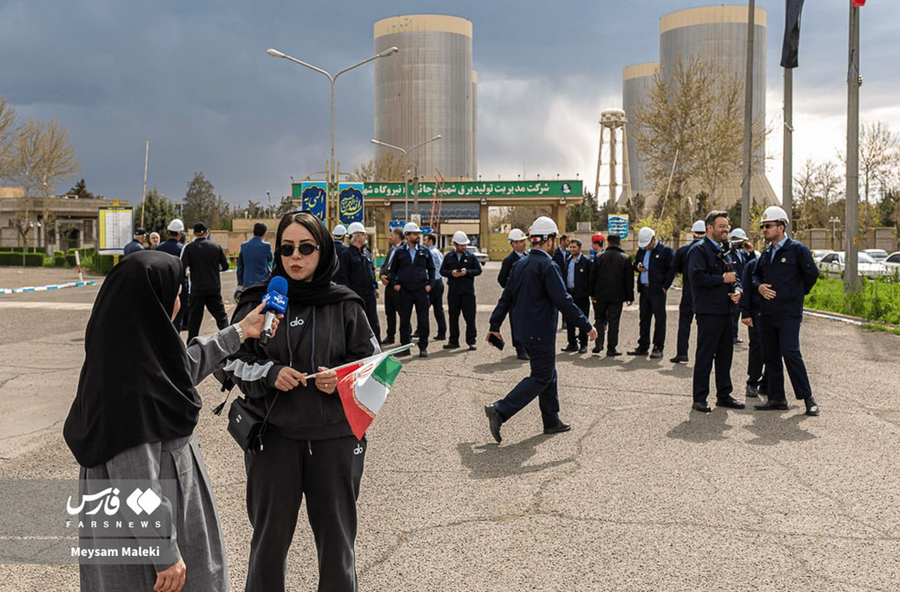
However, it remains unclear whether these rallies are coordinated at the national level or if they are directly related to the official's call for the creation of "human chains."
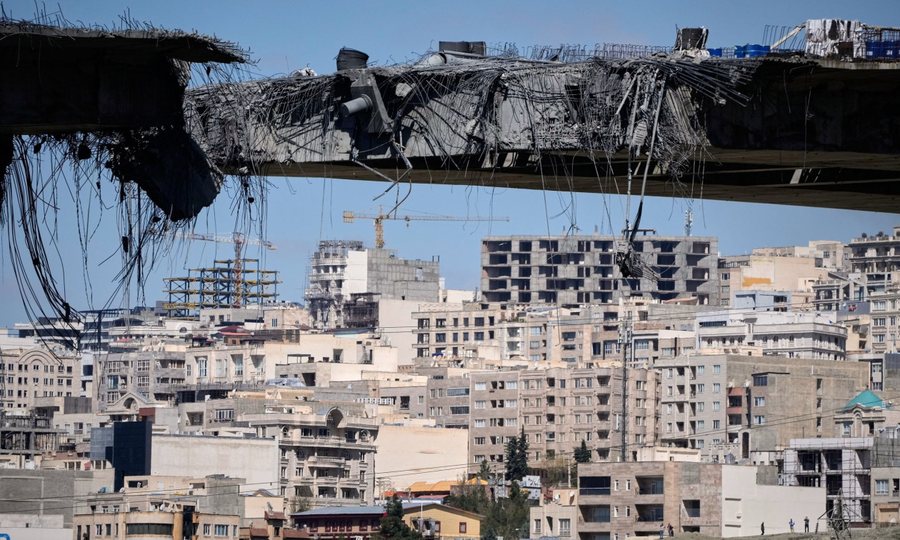
Iran is moving into a delicate situation in efforts to avoid a major escalation in the Middle East as Pakistan-brokered negotiations with the United States take place, Reuters reported, citing security sources.
A nighttime attack by Iran on industrial facilities in Saudi Arabia linked to US companies has seriously jeopardized the progress of talks, according to a senior Pakistani security official. The source warned that any retaliation from Riyadh could lead to an immediate break in the dialogue.
The same official added that such an escalation could also involve Pakistan in the conflict, due to its defense agreement with Saudi Arabia.
A second source stressed that Iran is "walking on thin ice," underlining that the next three to four hours are critical to the fate of the negotiations.
According to Reuters, Pakistan has been at the center of diplomatic efforts in recent weeks, acting as the main mediator for proposals exchanged between Washington and Tehran. However, so far there are no signs of a possible compromise.
"We are in touch with the Iranians. They have recently shown flexibility to participate in talks, but at the same time they maintain a tough stance as a condition for any negotiations ," the Pakistani source said, adding that Islamabad is trying to convince Tehran to enter into dialogue without preconditions.
Recent developments show that the diplomatic process remains fragile and directly influenced by the situation on the ground, while the risk of a broader escalation continues to be high.
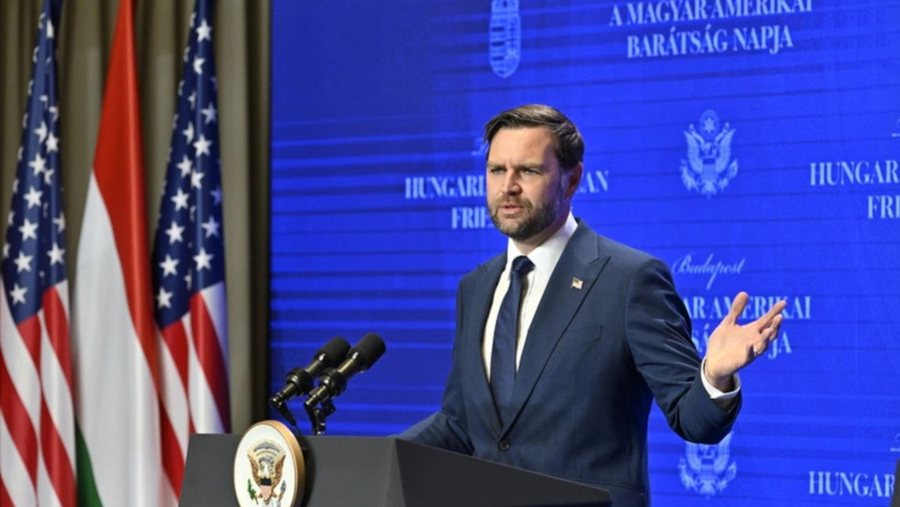
US Vice President JD Vance warned today that the US has "tools at its disposal that we have not yet decided to use" against Iran, while expressing hope that negotiations will make their activation unnecessary.
The United States has largely achieved its military objectives in Iran, US Vice President JD Vance said during a visit to Hungary.
He also said the US believes there is still a chance to get a response to ceasefire proposals from Iran before Trump's deadline tonight.
"I don't think the news from Kharg Island signals a change of strategy or any change in the stance of the President of the United States," the US vice president also said about today's attacks on the Iranian energy hub.
Vance, asked by reporters, added:
“Trump is a man who knows the power of pressure; if the Iranians want to inflict a little pain, the United States has the ability to inflict much, much more pain. The ball is now in Iran’s court ,” he said.
"They need to know that we have tools that we have not yet decided to use. The president of the United States may decide to use them and will decide to use them if the Iranians do not change their behavior," Vance added.


Lini një Përgjigje