


 Shkruar nga Pamfleti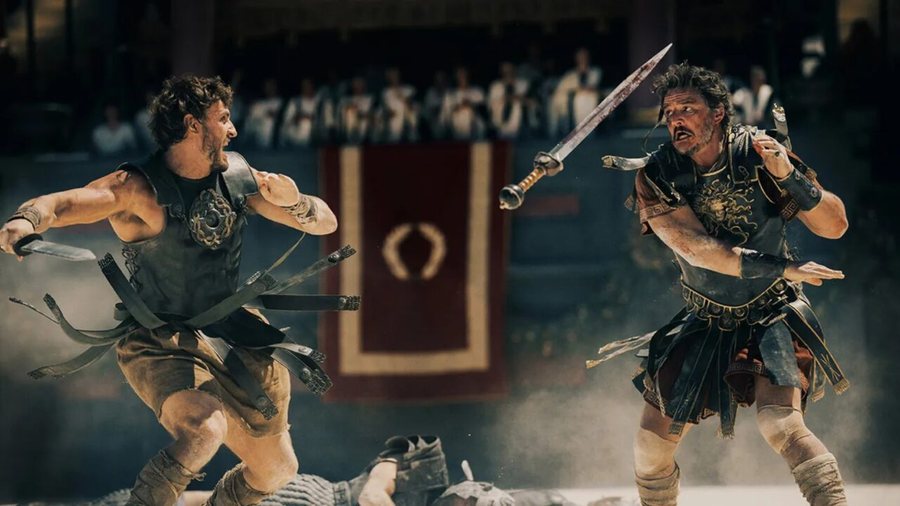
On November 22, the public will have the opportunity to see "Gladiator II", a film that many fans have been eagerly waiting for. Early reviews of this film, directed by Ridley Scott, have been generally positive. Journalist Scott Menzel describes it as "Ridley Scott's best film since 'The Martian,'" noting that it's a big action-packed spectacle with impressive visuals and an excellent cast, including Paul Mescal and Denzel Washington .
However, not everyone is happy with Scott's interpretation of Roman history. Dr. Shadi Bartsch, a professor of classics at the University of Chicago, has voiced strong criticism of the historical inaccuracies in the film. She has called "Gladiator II" "total Hollywood bull***t" said in Albanian "dullallek", singling out a scene where a Roman is shown drinking tea and reading a newspaper. Bartsch explains that the newspaper, in the form we know today, did not exist during the Roman period.
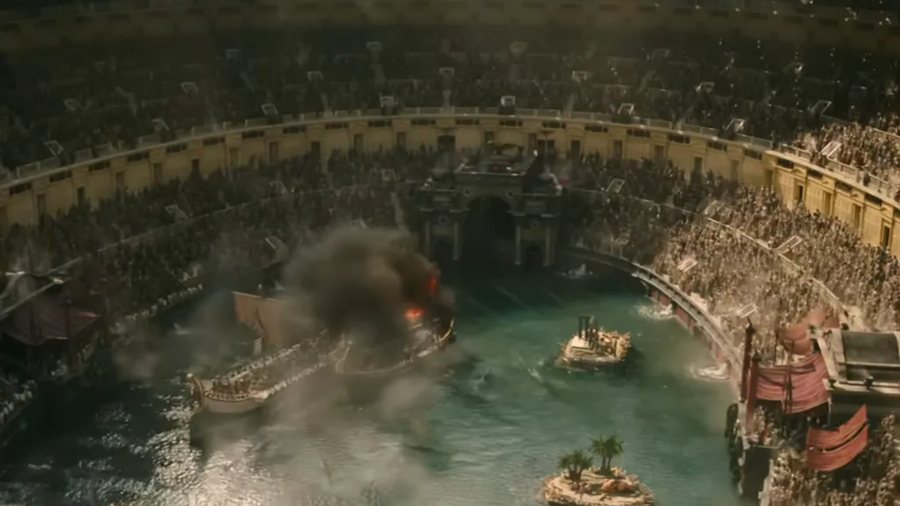
She points out that the first news documents, such as the "Acta Diuma", were engraved and placed in certain places, and were not available in cafes. Furthermore, Bartsch criticizes a scene showing a shark, saying that the Romans at the time could not have had knowledge of it.
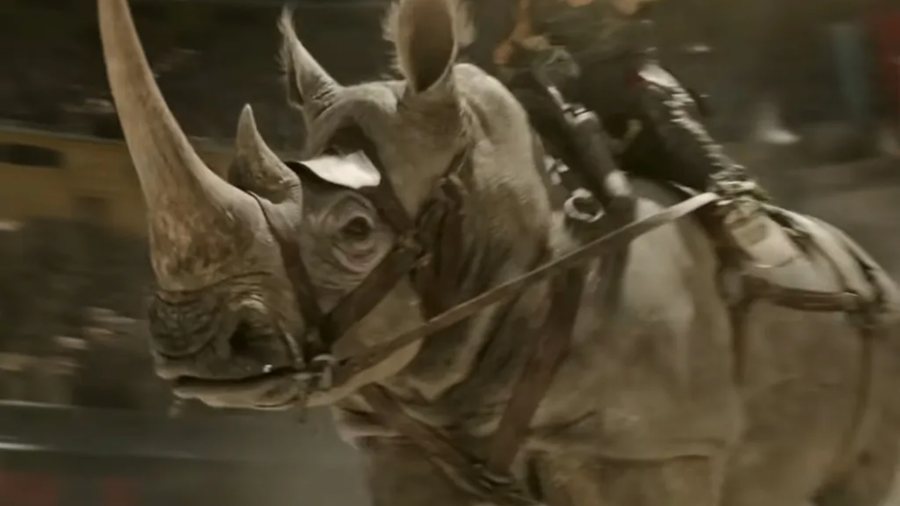
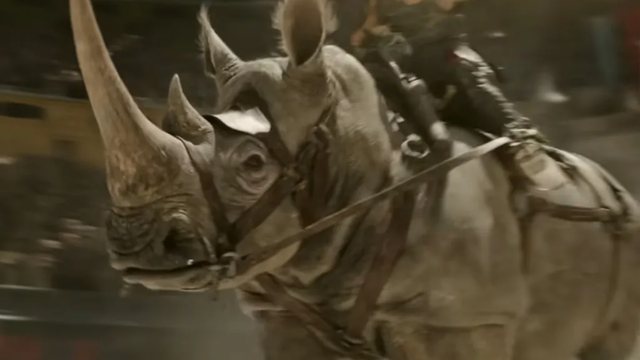
However, she admits that the Romans were familiar with rhinoceroses and may have brought one to the Colosseum, citing a poem by the Roman writer Martial.
Reactions on social networks have been divided. Some users have pointed out that such films are often not historically accurate, acknowledging that artistic creation often takes liberties to interpret past events.
As for Ridley Scott, he has expressed little interest in the historical details, saying that, "until 2024, it's all speculation." His attitude reflects a common approach in Hollywood, where entertainment often trumps historical accuracy. While Gladiator II is expected to be a box office success, debates about its historical accuracy will continue.








Lini një Përgjigje