


 Shkruar nga Pamfleti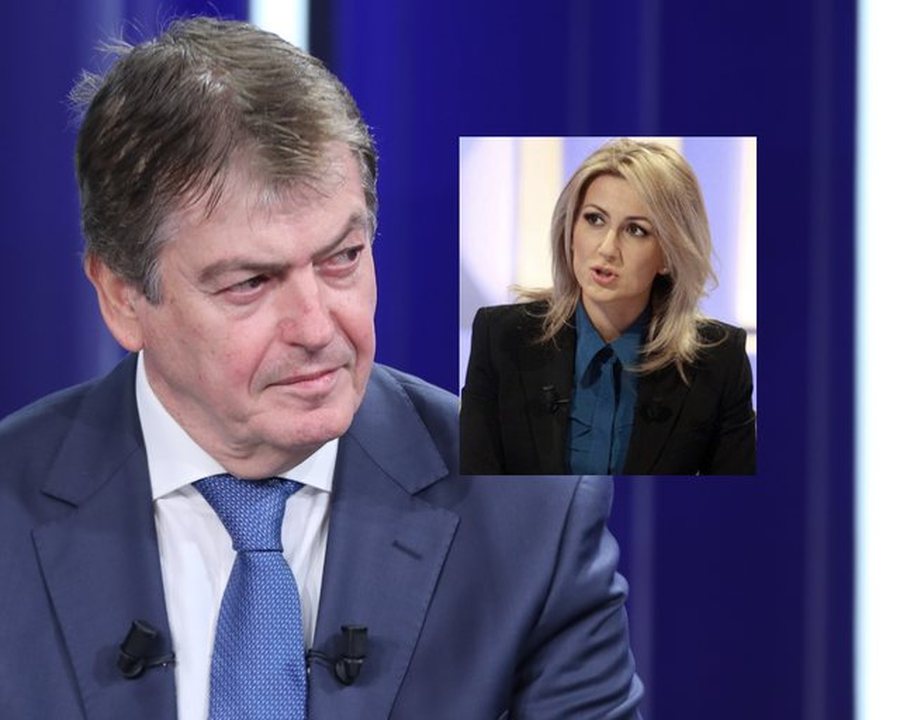
Former President Bamir Topi spoke on Monday evening about the killing of four protesters on Dëshmorët e Kombit Boulevard, during the January 21, 2011 protest.
Topi said that this is an event that must be clarified and "the truth must be brought to light."
He recalled the meeting in the office with the former Chief Prosecutor, Ina Rama, who expressed concern that the collection of evidence for the serious incident was being hindered, while also expressing that he encouraged the Chief Prosecutor in her duty.
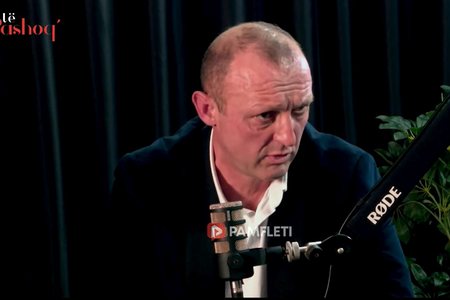
"The principle is that the truth must be illuminated. Important institutions have expressed themselves. The ECHR in Strasbourg and undoubtedly the Supreme Court of Albania have had a kind of obligation to resonate with what Strasbourg has requested. In a way, it is a forced institutional movement. Undoubtedly, we are in an investigation process, where the constitutional and legal obligation is exclusive to SPAK. It has been 15 years, we have talked endlessly about January 21, we have talked politically, political debates have been held, and even the debates that have followed have not only been in studios, but institutions have been engaged, there has been an investigative commission for January 21. A lot was said at that time, monstrous accusations have been raised and over time, things have been forgotten, of course for political purposes, but apparently something has not been forgotten, what has to do with the sentiment of families, woe to those who experience misfortune in the family, because they never forget, because for others, for politics, things are forgotten. The media has an interest in this period but now it is a different matter, SPAK exclusivity", said Topi on the show "The Unexposed".
Are you called to testify?
Bamir Topi: No, I haven't received any invitations so far. It's a matter of the art of investigation, they know it, I don't prejudge their work.
What was the first information you received as President about the January 21 protest? Did you know before it happened?
Bamir Topi: All Albanians were informed about the protest that would take place on January 21. Of course, I had the information of an institutional nature that came from the services, but the protagonists of the organization of the protest were in voice and image. Everyone spoke and declared, and even warned what kind of protest it would be.
I was affected by a virus of the time, I was almost unable to go out, but it was the weight that made me engage like any other day, and it should not be forgotten that on January 20, at 7:00 PM, I had organized the Diplomatic New Year. This was an annual meeting, where messages of a political and diplomatic nature were given. Participants, as a rule, were the members of the Foreign Policy Committee and the Foreign Minister of the time. I had constructed a random speech, written, read carefully, but while I was dealing with this transmission of my speech, I definitely shared it as a need with the ambassadors and through that communication with the public. That speech was transmitted, I separated from reading and I touched on the situation as a concern. Ambassador Arvizu had just arrived and I communicated with them, the need for a de-polarization of the situation. I called, I gave the appeal of the head of state, to move away from tensions.
I believe this recording is in the archive. I warned about the situation. There was an extraordinary attention from the ambassadors. I saw in them the same concern that I had. The tension was concentrating, bringing the media and social situation into tension. So I felt this from my position and as a citizen.
What was your role during the protest? Did you communicate with the parties and were there any demands made against you?
Bamir Topi: I had been almost sleepless all night and went to the office. I followed him until lunch and then from the office premises that I had at home together with my advisors. Everything was being followed, even with visual footage. I don't believe there is a Hollywood scene, for an event to be followed by more than 30 cameras. When the situation was escalating, I called the Minister of the Interior, Mr. Basha, to communicate and get the situation from him, to give my messages. I didn't get an answer at that moment. He called me a little later, the conversation about the situation was my interest as President. I had had meetings during the day with people from the institutions and what came after, like a precipitate.
When did you learn that four protesters had been killed? How do you remember that moment?
Bamir Topi: Through television, with the images but also with the information that came with the advisors. You have to understand, the head of state is assisted by people. What was seen, was clearly seen in the media. In live footage and then, of course, I, very angry, wrote a statement and it was made public in real time and that statement expressed about the tragedy that happened on the Boulevard.
After the murder, there was a considerable effort to distort the truth, as if the protesters had been killed by each other and not by the Garda. When did you learn that the Garda had fired?
Bamir Topi: When one of the television stations broadcast other images, the perception there began to change.
The prosecution issued arrest warrants for several Guard leaders, but Berisha refused to hand them over. You met with Ina Rama. What do you remember from this meeting?
Bamir Topi: It's been 15 years and of course everything is in the institution's archive. But I remember that the Prosecutor's Office wanted to start an investigation to shed light on this very serious situation. Ina Rama was the Prosecutor General. She expressed concern that she had begun to feel obstacles in obtaining material evidence. The entire discussion was about this problem. Prosecutors who had gone to the field, who declared that they were prevented from obtaining evidence in the field and then also related to the issue of recording the cameras of the Prime Minister's Office. I gave the message of encouragement to the Chief Prosecutor, despite the political pressures that began to be felt, that she would have the unlimited support of the President of the State, to pursue her functional and constitutional duties.


Lini një Përgjigje