


 Shkruar nga Pamfleti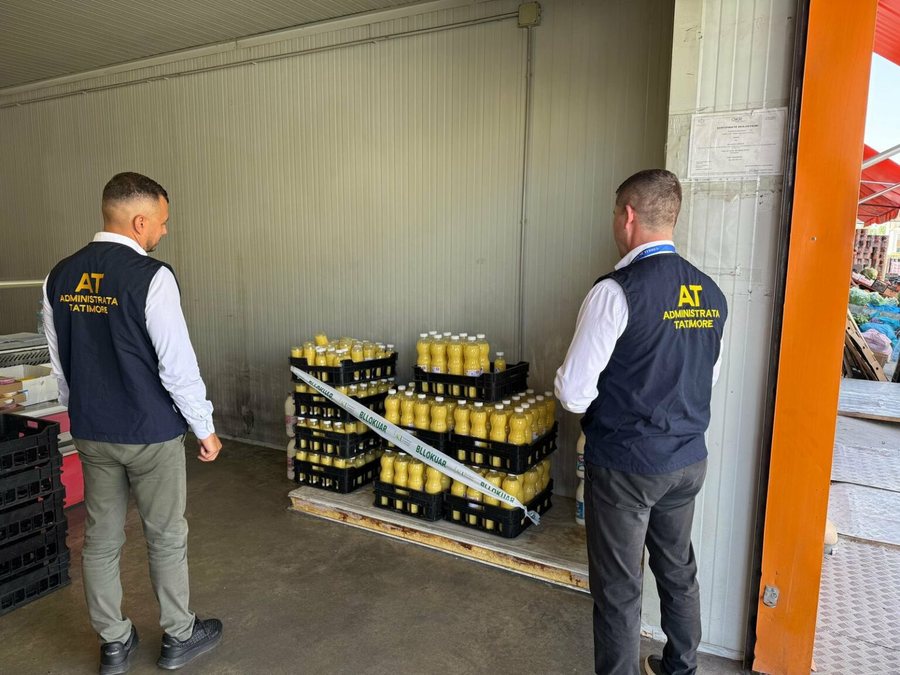
The Albanian government has intensified action on food security and the formalization of the agricultural sector, including field inspections, requests for the issuance of fiscal invoices, and clarifications on the tax obligations of various actors. At the center of this action are farmers, street vendors, and entities involved in the marketing and collection of agricultural and livestock products.
In a joint statement, the Ministry of Agriculture and the Tax Administration clarify that the goal is not to punish farmers, but to build a transparent and reliable system that guarantees food security and supports the rural economy. “Farmers are not guilty, but important collaborators in building an honest and safe economy,” the announcement emphasizes.
According to the Ministry, the introduction of invoicing for agricultural products aims to ensure traceability, security and transparency in agri-food trade, while also enabling easier access to subsidies, loans and development programs for formalized farmers. Currently, Albanian exports have entered over 80 international markets – an indicator that requires more standards and control.
Meanwhile, the Tax Administration has clarified the concrete steps for the fiscalization of agricultural transactions. Traders who purchase goods from farmers must issue a fiscalized “autoinvoice”, which describes the goods, the seller’s details and the nature of the transaction, excluding VAT. In cases where farmers’ turnover exceeds 10 million lek per year, they are obliged to register as regular taxpayers with the Central Tax Office.
The Tax Directorate advises that for the correct issuance of these invoices, taxpayers must follow several steps:
1. Select the “autoinvoice” option, which automatically contains the data of the buyer issuing the invoice
2. The invoice type must be “Purchase from local farmers” (Domestic)
3. Enter the data of the selling farmer (name and NIPT)
4. Describe the goods purchased, excluding VAT
To verify the accuracy of the transaction and the origin of the goods sold, it is recommended that the invoice be signed by the seller (farmer).
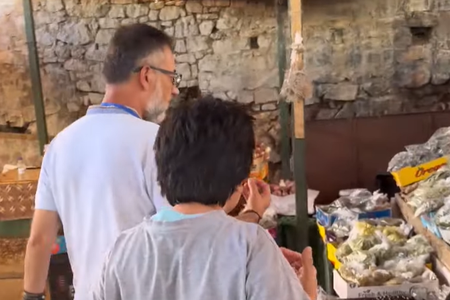
But in another line of this action, the Tax Administration reassures the category of street vendors. The latter, who sell in public spaces with a municipal permit and are self-employed, are not obliged to issue invoices or keep tax documentation. Their exemption is clearly defined in the law “On the invoice and the circulation monitoring system” and the law “On tax procedures”.
The only obligations of street vendors remain the payment of social contributions, municipal taxes and registration with the Tax Directorate as a street vendor. The administration emphasizes that this status does not include the employment of other persons and that their activity must be carried out only with the appropriate permit from the municipality.
In this combined action, it seems that the government is trying to strike a balance between formalizing problematic sectors and preserving space for small, subsistence activities. The new rules aim to bring more control and quality to the market, but it remains to be seen how this process will be implemented in practice without unfairly hitting farmers or small vendors.





Lini një Përgjigje