


 Shkruar nga Pamfleti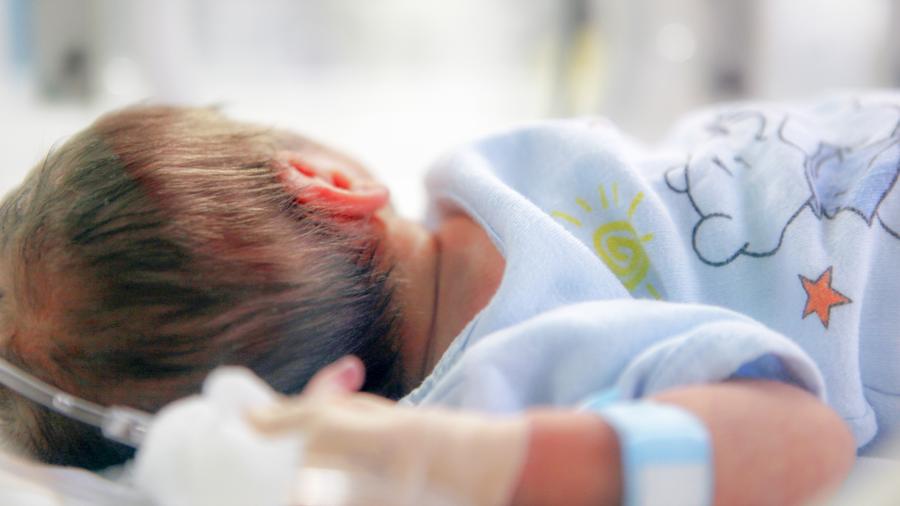
In 2012, almost half of the births in our country were the first baby, while in 2022 only 40%.
While in the total number of births, the percentage of first babies has decreased, on the other hand, the percentage of third babies has increased, according to data reported by Eurostat.
The structure of births according to the number of children in a couple "first birth", "second birth" and "third birth", shows that less and less women are preferring to become mothers.
Professional growth, personal self-fulfillment, coupled with other social and economic factors are increasing the number of women who do not give birth to children of reproductive age.
Albania ranks among the first countries in Europe with the lowest percentage of first babies in total births. In most developed European countries, first babies account for 45-54% of all births.
On the other hand, there is an increase in married couples who give birth to more than two children.
The share of the third child in total births was 16.5% in 2022, with a slight increase compared to before the pandemic. Also, the percentage of the second child in the total number of births was 37.6% in 2022 from 38.5% in 2019.
The costs of starting a new family have increased in recent years due to high housing prices and educational services.
Year after year, women postpone the time of marriage and the birth of their first child.
Births in Albania are falling rapidly, as our country ranks among the three European countries with the lowest fertility rate in Europe.
In the first 3 months of 2024 the number of births was 5,056, marking a decrease of 6.8%, compared to the first quarter of 2023. Births in the first quarter of 2024 marked the lowest historical level on a quarterly basis since at least from 1990.
In the Southern counties, the number of births per 1,000 inhabitants is much lower than in the Northern counties, a fact that shows that the population in this region is older.
INSTAT data processed by Monitor show that in 2023, the county with the lowest number of births per 1000 inhabitants was Vlora with 5.7 births, followed by Korça with 6.3, Fieri with 6.9 and Gjirokastra with 7.1 births per 1000 inhabitants. . On the other hand, Dibra was the district with the highest number of births per 1000 inhabitants, at 9.6, followed by Kukësi with 9.3, Lezha with 8.8 and Tirana with 8.8.
The Southern regions of the country passed earlier the peak stages of immigration at young ages. Fewer births in these counties indicate an aging population and lower fertility rates./Monitor







Lini një Përgjigje