


 Shkruar nga Pamfleti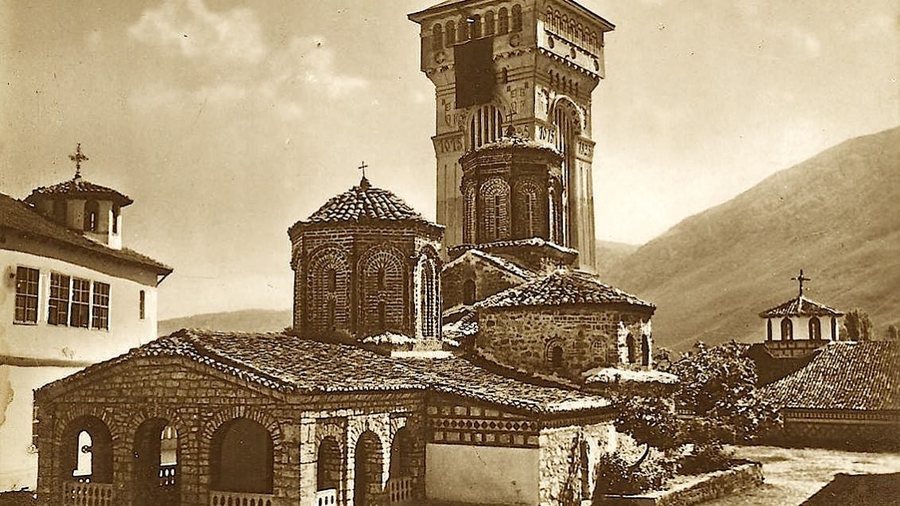
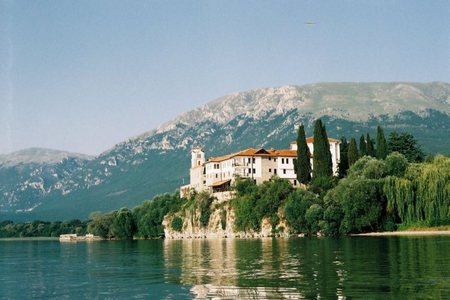
The Albanian traces in the monastery of Saint Naum have been covered with pro-Slavic propaganda, which extends the claims to every Orthodox monastery within the Albanian territory.
Few know that even the paintings with which this monastery is decorated speak Albanian. Until 1944, it was administered by Albanian priests and the mass was held in Albanian.
Today, traces of Albanianness have faded. Unlike the Albanian coast where Serbs and Macedonians buy properties, in the villages around the monastery no one sells houses to Albanians. To buy one, you have to submit a series of documents to the municipality.
"Others have alienated him. The Bulgarians, the Greeks, the Slavo-Macedonians, the Serbs, and the Albanians have had at least a share in Saint Naum. The idea is Albanian, but the alienation and construction of the idea of building an identity, others have done by stepping on the identity of Albanians. And Saint Naumi is this: a violation of identity, whether religious or not, but which has to do with Albanians, and at least Albanians have access to this alienation that has been done", said Prof. Dr. Calliope Nazca-historian.
The archival materials show that the Albanian state has fought a long battle to document the Albanian affiliation of this monastery to the international community. Witnessing from the documents of the time of the vilayets, where he paid taxes, or from which institutions he depended.
"Until 1912, the monastery of Saint Naum was managed by the monastery of Durrës, and many monetary investments were made with priests, but then with the policies of the Serbo-Croatian-Slovenian state to tighten it to bring it on its own, the priests were also removed". said Prof. Dr. Calliope Nazca-historian.
The conference of ambassadors with several consecutive decisions and later the court of The Hague, recognized this territory to Albania. /Inside Story







Lini një Përgjigje