


 Shkruar nga Pamfleti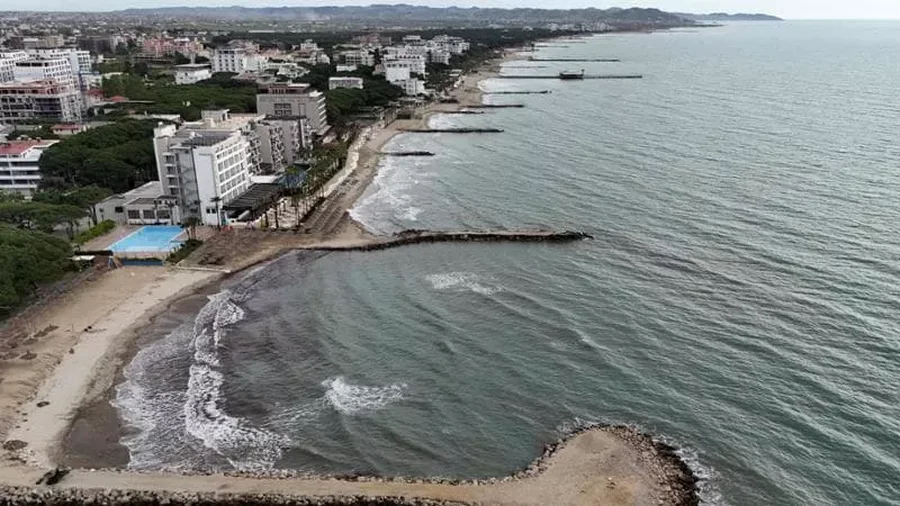
Over 150 km of the Adriatic coast, out of a total of 270 km, have been affected by the erosion phenomenon. A protected pine forest was destroyed, villas equipped as beach kiosks were wiped out, and the island that the Austrians dedicated to Franz Joseph I disappeared.
The Albanian coast is suffering: From Velipoja, where the force of the waves is turning a centuries-old pine forest to ash, to Golem, where cementing is accelerating erosion. Overtourism is adding to global warming and chaotic urbanization.
NASA: Seas have risen by 10 centimeters in the last 30 years
Sea level rise is affecting the entire planet. According to NASA, from 1993 to 2023, the average sea level on Earth has risen by 10 cm. In Albania, where tourism has exploded massively (from 5.9 million visitors in 2018 to over 10 million in 2023), the increase in the number of hotels, restaurants and beach bars is also causing consequences in nature.
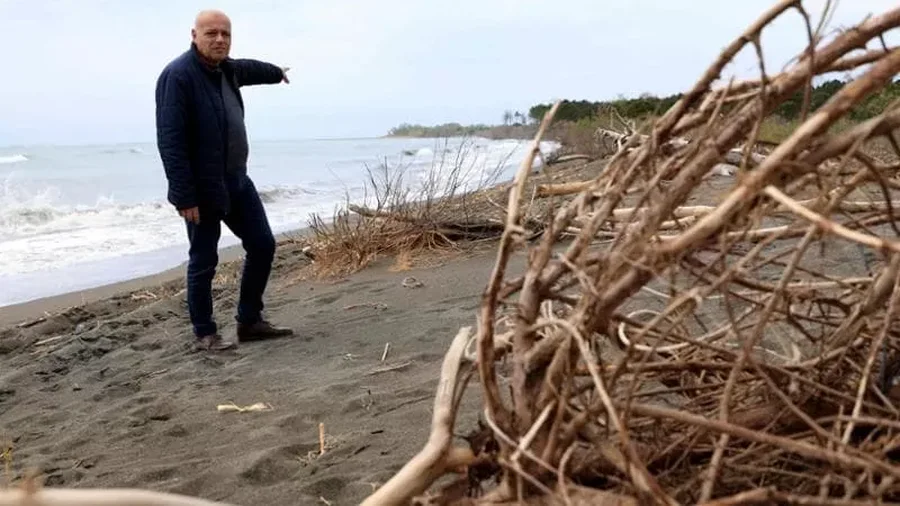
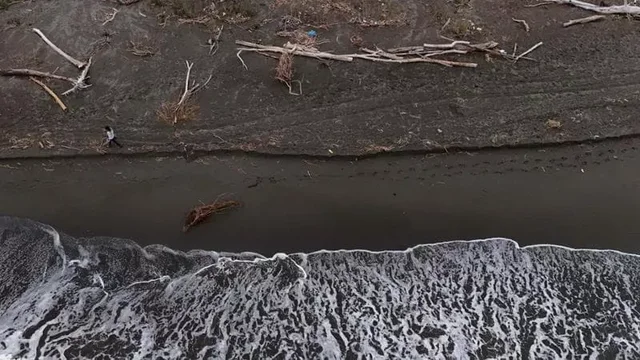
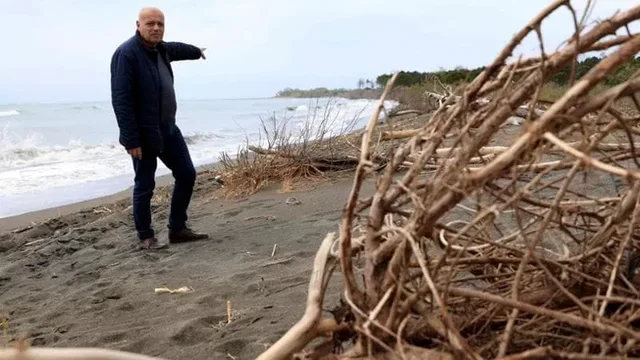
“Of the 273 kilometers of coastline washed by the Adriatic Sea, 154 km are affected by erosion,” Besjana Shehu, an urban planning specialist, told Agence France Presse. In Velipojë, in the far north of the country, the sea advances by more than 5 meters every year and penetrates more than 200 meters into the forest, threatening an entire ecosystem that cannot survive in salt water. On the coast, pine trees are barely resisting the aggressiveness of the waves. Dozens of tree trunks lie stranded in the sand, some abandoned after violent storms in the last days of April.
The island discovered by the Empire's cartographers
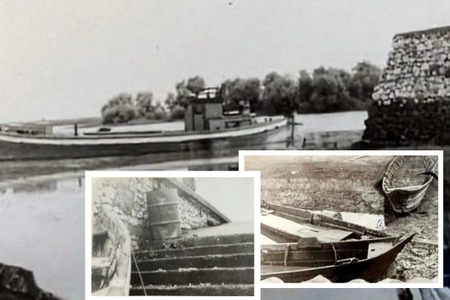
Although Franz Josef Island, at the mouth of the Buna River, still exists in tourist guides and on maps, it has been gone since 2012, swallowed by the sea. Named by Austrian cartographers in 1870 in honor of the former emperor, the island was the result of fertile alluvial deposits. 150 meters from the coast, its 19.5 hectares were covered with forests and wild vegetation.
"A paradise for many species of seabirds, a haven of peace for us too... completely disappeared," said Lule Coli, manager of a small beach bar.
"The island gradually disappeared, a victim of rising water levels and erosion. But the construction of dams and hydroelectric power plants in the region turned out to be a decisive factor, which accelerated its disappearance ," said Ervis Krymi, professor of geography.
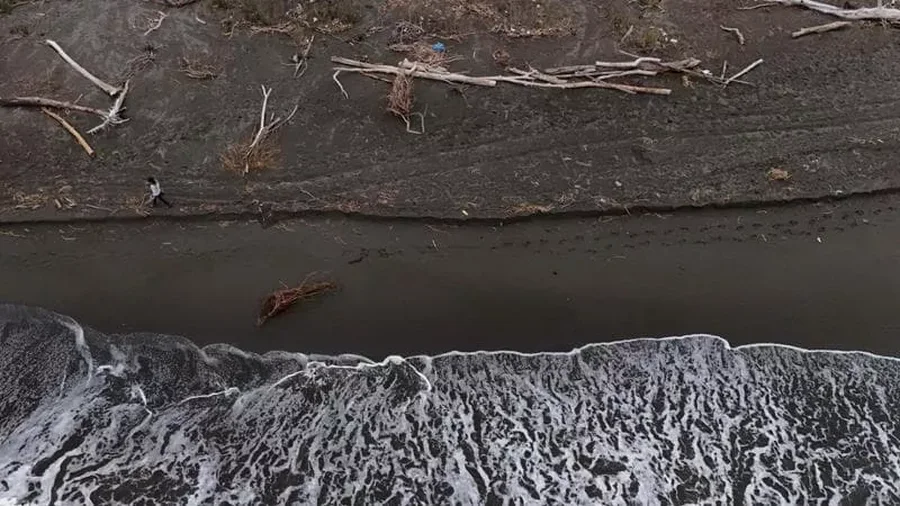
The residents of Kuna, a few kilometers to the south, are also worried. Year after year, sea storms increase and the coast now resembles a tree cemetery.
"Due to climate change in recent years, the sea has become very aggressive, advancing towards the land at a frenetic pace," warns Jak Gjini, an environmental expert from Lezha.
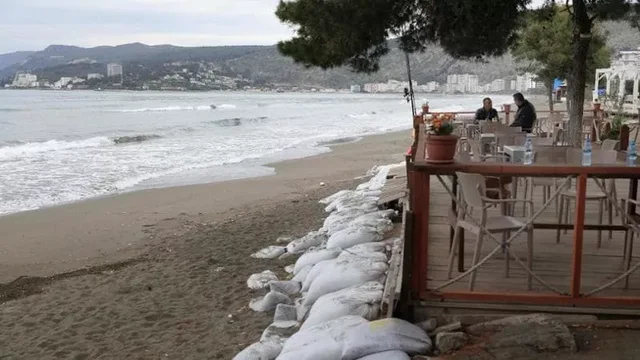
Swallowed by the waves, the bunkers built along the coast by the Albanian communist dictatorship in the 1970s have disappeared. This has also displaced the small seaside bars run by local families. The force of the sea was such that even sandbags were worthless.
The regime's sunken bunkers
“There used to be two bunkers here. Now they are underwater. The sea is coming and it will take everything away from us… in four or five years there will be nothing left ,” said Vera Faslliaj, owner of a small restaurant called “Poseidon.” She says this in a trembling voice, as if she hopes the Greek god of the sea will protect her.
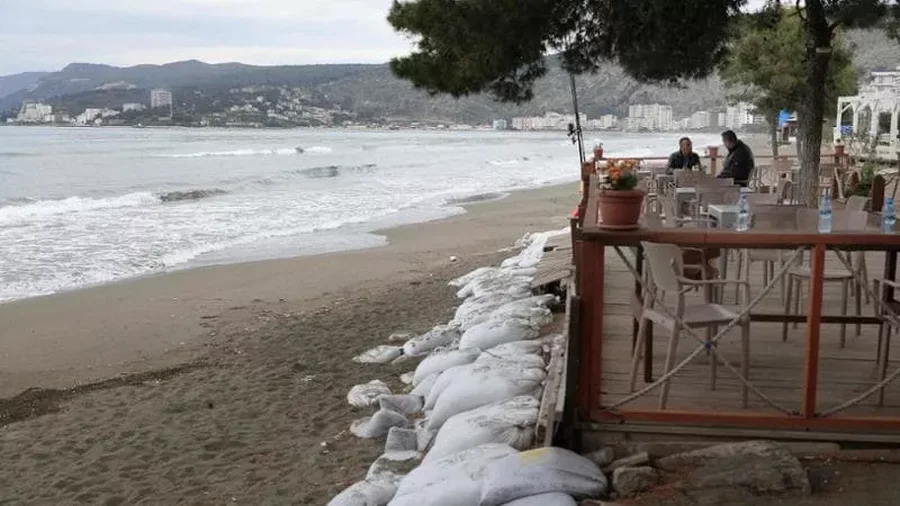
Albanian authorities say rising sea levels pose serious flood risks for most of the country's urban areas.
" In total, by 2030, approximately 1,082.45 km2, or 32% of the surface area of coastal habitats, will suffer the direct consequences of flooding," the Civil Emergency Agency reports.
In Golem, 49 km southwest of Tirana, hotel owners are concerned about the authorities' indifference to finding solutions and stopping uncontrolled urbanization on the coast.
"The sea is waiting for the authorities to wake up," complains Edvin Dule, hotel manager.
Over the past 16 years, the beach has lost about 70 meters of coastline (the proliferation of hotels has further worsened the erosion) and is reducing the sand it relies on to attract tourists.
"It is a very worrying phenomenon that has a direct impact on the economy and tourism. If we fail to provide conditions, umbrellas, sun loungers, beach activities... we reduce the quality of our offer, which is then translated into numbers ," concludes Dule./ Adapted from "Pamphlet" by "La Repubblica"




Lini një Përgjigje