


 Shkruar nga Pamfleti
The fierce clash over the luxury resort pits foreign investment interests against Albania's environmental and property problems. How institutions manage this crisis will serve as a crucial test of the rule of law before the European Union.
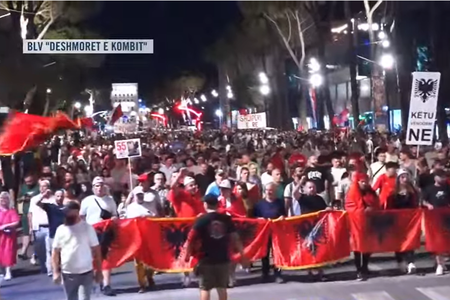
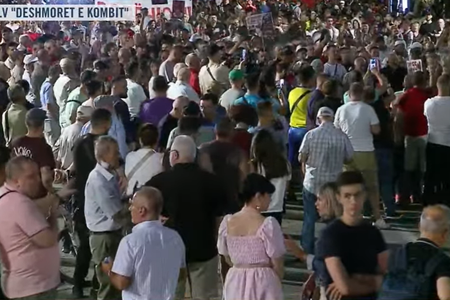
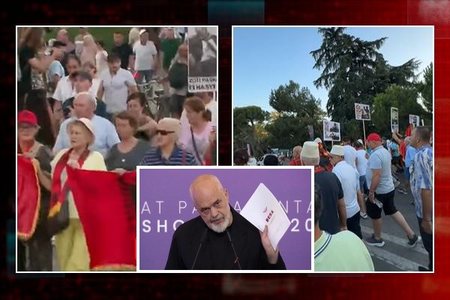
Albanian police used water cannons and tear gas to disperse protesters during violent demonstrations sparked by plans to build a multi-billion dollar resort in an environmentally sensitive area on the Adriatic coast, a project in which Jared Kushner is also involved.
Reuters news agency reported that this conflict is directly related to the encroachment of protected areas, suspicions of corruption and a criminal investigation that has been launched over disputed land ownership.
Although the violence on display makes this event a momentary sensation, the real problem behind it is entirely institutional. Albania is aiming for membership in the European Union and therefore needs to demonstrate that investment, property rights, environmental protection and criminal investigations are guided by the rule of law and not by political influence.
Consequently, such a luxurious coastal project, bearing the signature of a foreign investor with great political weight, cannot be considered simply a local dispute over construction issues.
It represents precisely a “test of fire” for those rules and principles that Brussels monitors with the greatest effort in the candidate countries. According to reports, the project extends over a significant area of the Adriatic coast and has encountered strong opposition from local residents and environmental activists.
The prosecution suspects that a businessman involved in the sale of this land to the resort developers forged ownership deeds. Although he himself denies these charges and the investors declare that they believe in the complete legality of the transactions, such contradictory claims require extremely careful treatment.
The judicial process has not yet produced a final decision on the violations, but the very existence of this investigation is enough to turn the project into an issue of high political sensitivity.
In a recent analysis, EU Today noted how the blockage of Serbia’s integration process highlights the failures and limitations of Brussels’ enlargement strategy. Although Albania’s case differs from Serbia’s, the main enlargement dilemma remains the same: are candidate countries able to attract large investments and, at the same time, prove that courts, prosecutors, property registry offices and environmental authorities operate with full independence?
Natyrisht, investimet e huaja nuk përbëjnë problem në vetvete. Shqipëria ka nevojë urgjente për kapital, infrastrukturë turistike dhe vende të reja pune. Zhvillimi i zonave bregdetare mund të sjellë të ardhura të konsiderueshme, të përmirësojë rrjetin rrugor, të gjenerojë punësim dhe të rrisë prestigjin e vendit në arenën ndërkombëtare.
Por ngatërresa fillon pikërisht atëherë kur ndërthuren bashkë tokat me vlerë të lartë, një administratë e dobët shtetërore, lidhjet e forta politike dhe lehtësirat apo përjashtimet nga rregullat mjedisore. Ky kombinim mund ta kthejë çdo investim në një provë stresuese për mbizotërimin e ligjit.
Çështja e pronësisë mbi tokën është një pikë mjaft delikate në Shqipëri, për shkak të historisë së ndërlikuar dhe problematike të pronave pas rënies së komunizmit. Pretendimet e pafundme për kthimin e pronave, ndërtimet e shumta informale, mbivendosja e titujve dhe regjistrat e pasaktë kanë krijuar konflikte të vazhdueshme ndërvite.
Një projekt i këtyre përmasave thjesht i zmadhon dhe i nxjerr në pah këto dobësi strukturore. Nëse aktet e pronësisë janë të dyshimta, atëherë çdo leje apo miratim që vjen më pas bëhet automatikisht i cenueshëm dhe i goditshëm ligjërisht.
Mbrojtja e mjedisit e ndërlikon edhe më tej situatën. Zonat e ndjeshme bregdetare janë gjithmonë tërheqëse për politikën për shkak të vlerës së tyre të lartë turistike, por ato
janë po aq të rrezikuara nga pikëpamja ekologjike.
Rruga drejt BE-së kërkon përshtatje të plotë me standardet mjedisore evropiane, konsultime të vërteta me publikun, respektim të rregullave për zonat e mbrojtura dhe procese transparente për dhënien e lejeve.
Çdo projekt që krijon përshtypjen se po i anashkalon ose po i shkel këto parime rrezikon të rrënojë besueshmërinë e Shqipërisë, pavarësisht përfitimeve ekonomike që ai premton.
Nga ana tjetër, pamjet e përdorimit të forcës, ujëhedhëseve dhe gazit lotsjellës rrezikojnë të përmbysin të gjithë narrativën e ngjarjes.
Ndërsa qeveritë përpiqen t’i shesin projekte të tilla si mundësi të arta për zhvillimin kombëtar, pamjet e dhunshme të përplasjes së policisë me protestuesit i shndërrojnë ato në simbole të një zhvillimi të imponuar me forcë.
Ky detaj ka një peshë të madhe në sferën ndërkombëtare, pasi institucionet e BE-së nuk monitorojnë vetëm ligjet e shkruara në letër, por edhe mënyrën se si autoritetet sillen ndaj zërave kundërshtues të shoqërisë civile.
Përfshirja e Jared Kushner-it në këtë mes e shton edhe më shumë vëmendjen e vëzhguesve për shkak të lidhjeve të tij të afërta me pushtetin politik në SHBA. Edhe nëse pozicioni ligjor i investitorëve është plotësisht i rregullt, imazhi që krijohet në publik është tejet i ndërlikuar.
Vendet kandidate që kërkojnë kapitale perëndimore duhet të shmangin me çdo kusht perceptimin se emrat e fuqishëm dhe me ndikim botëror marrin një trajtim të privilegjuar dhe të lehtësuar, në kurriz të komuniteteve vendase apo të rregullave mjedisore.
Such a perception could be politically devastating long before the courts establish the facts. For the government of Prime Minister Edi Rama, this resort could be presented as proof of success that Albania is capable of attracting elite investment and competing as a leading destination in Mediterranean tourism.
For the opposition and critics, it represents the dangers of power concentration, poor land governance and the sacrifice of environmental assets. However, the European Union is expected to judge not on political rhetoric, but on the real transparency of building permits, prosecutorial investigations and judicial processes.
This dispute also reflects a much broader problem affecting the entire Western Balkans. Governments often argue that achieving rapid development requires administrative flexibility and tolerance.
On the other hand, Brussels insists that the integration process requires clear and predictable rules. Investors demand speed and security for their capital, while citizens demand fairness, transparency and environmental protection.
When state institutions are fragile, all these demands collide violently with each other. The next steps that will be taken will carry much more weight than the protest of the moment itself.
Prosecutors should be free to investigate allegations of forged property deeds without interference. Courts should resolve disputes free from political pressure.
Environmental assessments should be fully credible and objective.
Likewise, police behavior should be analyzed for any excess of force, while investors should demonstrate full transparency on ownership, financing, and permits, in order to maintain public trust.
Albania's path to the EU will not be determined by the fate of a single resort. But the credibility of the enlargement process is built precisely on such concrete cases, where the ambition for economic development confronts constraints and institutional control.
If official Tirana manages to prove that even the projects of the most powerful people are subject to the law and transparency without exception, this will be a strong point in favor of membership.
But if the project is pushed forward through force, lack of transparency or shadows of doubt over ownership, this will reinforce the skeptics' argument that Albania's European future still remains far from the real capacity of its institutions. /Adapted from "Pamphlet" by "EU Today"





Lini një Përgjigje