


 Shkruar nga Pamfleti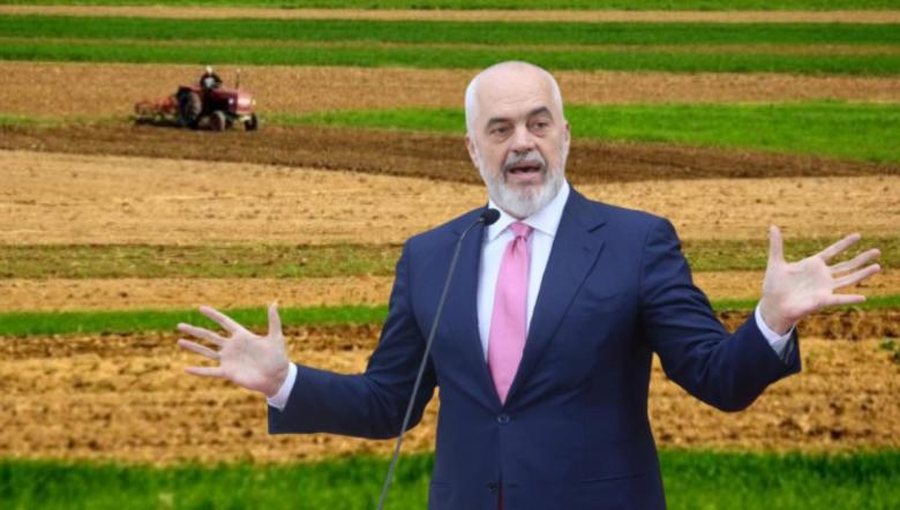
Albanians in agriculture, industry and services are paid between 54 thousand and 67 thousand lekë, far below the average salary.
Agriculture, industry, services, and construction, although they are the most important sectors in the Albanian economy, are suffering from the highest shortage of workers and the lowest salaries.
Employment in the agricultural sector fell by 2.3%, in the services sector by 0.9%, and in the industrial sector by 2.4%. Despite employing about half of the population, they have the greatest impact on the country's economic growth and are also experiencing the greatest development as a result of tourism.
"Albania does not have a single industry that can be characterized, but the tailoring industry has been hit hard by exports. The exploitation of workers continues. The damage to exports has led to a lack of need for workers or to invest. The main focus on services and tourism should have gone hand in hand, but this has not happened due to a lack of a proper strategy. Since it is a sector that is not controlled by institutions, it does not arouse interest in increasing productivity, and agriculture needs to increase productivity ," said economic expert Violdi Danaj.
Agriculture employs about 40% of the Albanian population, but a farmer is paid the least of all, at 54,400 lek including social and health contributions. While an employee in industry, services and construction receives about 67,000 lek gross salary at the end of the month.
According to experts, salaries are forcing young people to leave these sectors and emigrate.
"These are the most informal sectors where this makes the declared salary not the real one. These are the sectors that have very high profit margins but low salaries. This is where informality is and the government is aware that 100% of salaries are not declared. Services have low salaries but by exploiting the employee, they harm themselves and the entire chain," says Danaj.
But how can the workforce in our country be motivated?
"The lek is the main thing that makes young people stay. The second is stability and security at work and working conditions ," the expert adds to "TCH".
These factors are forcing Albanians to leave the country. About 40% of the workforce in Albania has emigrated abroad according to a 2024 report by the International Organization for Migration (IOM).






Lini një Përgjigje