


 Shkruar nga Pamfleti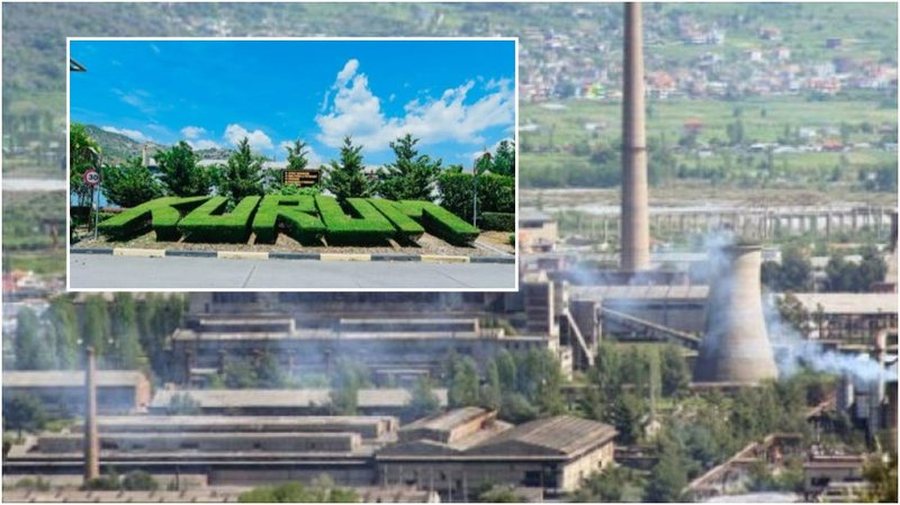
The containers, which arrived at the port of Durrës early on Monday morning, caused a global reaction after they were sent from there in early July to Thailand.
Albanian prosecutors ordered containers filled with suspected hazardous industrial waste to be seized after the cargo was forced to return to Europe from Southeast Asia.
The prosecutor's order on Sunday ordered customs authorities and police to confiscate 102 containers for criminal proceedings.
The containers, which arrived at the port of Durrës early on Monday morning, caused a global reaction after they were sent from there in early July to Thailand.
Seattle-based Basel Network raised the alarm that more than 800 tons of electric arc furnace dust was being transported illegally after receiving a tip. The organization alerted border and environmental authorities in many countries, launching a race to stop the shipment.
The shipments drew international scrutiny because Thailand and other Southeast Asian countries have seen an influx of waste from developed countries, from contaminated plastics to industrial and electronic waste. Illegal waste trafficking worldwide generates up to $12 billion a year, according to the Financial Action Task Force, an international policy watchdog.
Under the UN Basel Convention, a global pact signed by many developed economies, countries must consent to waste being sent there. Thai authorities said they had not authorized the shipments and warned they would not allow entry.
The charge has sparked controversy in Albania as well. Prime Minister Edi Rama has intervened and law enforcement is already conducting investigations with the European Union's Anti-Fraud Office on how the cargo was transported from its port without authorization. Prosecutors' order for the seizure cited criminal codes that prohibit the illegal export and falsification of official documents. He called for the containers to remain locked and under 24-hour camera surveillance.
Albania's Ministry of Tourism and Environment previously told Bloomberg that the agency had not authorized the export of suspected hazardous waste. According to tourism and environment spokesperson Erjon Uka, the ministry confirmed the seizure order and is cooperating with the prosecution, which also seized the ministry's official documents related to the containers.
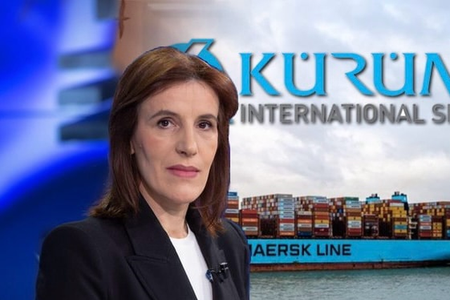
This summer, the containers left Durrës with two separate cargoes, which were transported by cargo ships of AP Moller-Maersk A/S and MSC Mediterranean Shipping Company SA. The containers were sent by the Albanian firm Sokolaj Sh.pk, which listed the contents as iron oxides and hydroxides, according to a customs form seen by Bloomberg. Sokolaj did not respond to requests for comment.
Maersk said none of the containers it was carrying had been declared to contain hazardous waste, which the company would have rejected. MSC declined to comment. After the ships left Durrës and the alert was raised, government agencies in South Africa, Singapore and Thailand worked to stop the cargo.
As the ships approached Cape Town, South African officials tracked the ships and put in place a plan involving the navy, police, port authorities and the environment department to conduct a thorough inspection when the ships docked. But Maersk told South Africa that the ships were not scheduled to dock there and would continue on to Singapore.
When the shipments arrived in Singapore in August, where they were supposed to be transferred to other ships destined for Southeast Asia, port officials worked with shipping lines to return them to Europe. Present at the port of Durrës to await the return of the containers was Jim Puckett, the executive director of the Basel Network who traveled over the weekend. He is asking the country to stop exporting waste to developing countries.
Puckett also called on Albanian authorities to send samples of the cargo's contents to independent laboratories to ensure a transparent testing procedure.
"Otherwise, it will be very easy for people to say the government didn't tell the truth about the results," he said./Bloomberg


Lini një Përgjigje