


 Shkruar nga Pamfleti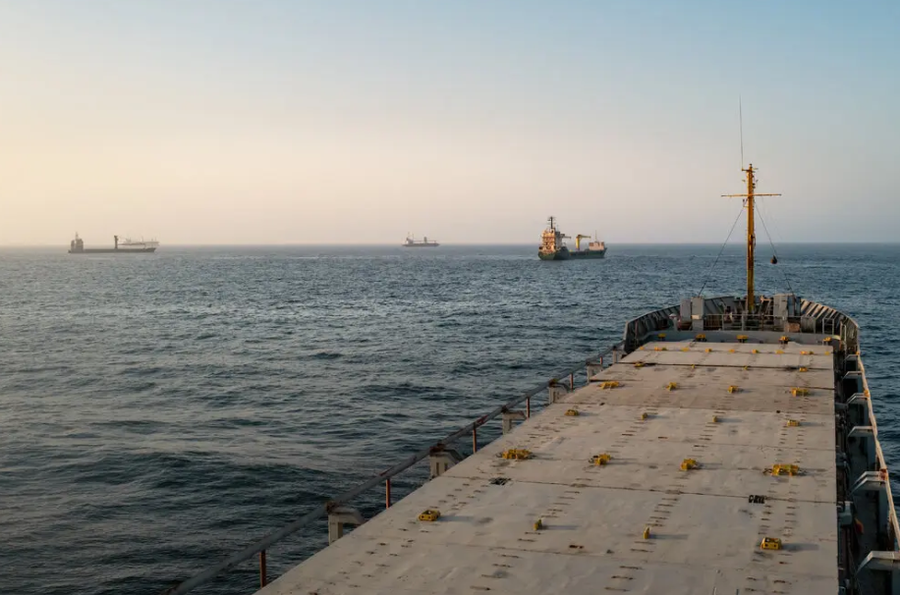
The main idea behind the proposal is that the situation in the Persian Gulf is analogous to Europe at the end of World War II...
If the United States' war with Iran was born out of long-standing tensions over its nuclear program, attention has shifted sharply to Iranian control of the Strait of Hormuz. The result is complete control of a fifth of the world's oil supply and a bitter dispute that has brought the two sides back into open conflict.
Despite repeated assurances from President Trump that Iran has no navy and that the strait is open to navigation, maritime traffic has plummeted due to renewed Iranian attacks on merchant ships. Diplomacy has essentially ground to a halt, and over the weekend, American and Iranian forces continued to trade attacks in the region. Military experts say that trying to force open such a narrow and vulnerable passage in the midst of a war would be a deadly, Sisyphean task.
Seeking answers, a think tank has proposed a possible compromise model for the Persian Gulf. It is based on a somewhat obscure, now-defunct treaty that once regulated the collective production of coal and steel in Europe after World War II.
The group's proposal, outlined in a report published this month, goes like this: Countries around the Gulf would treat it as a common territory, a kind of regional common property, and charge only a nominal fee to oil tankers for water maintenance. This could be enshrined in international law, satisfy Tehran's demand for increased control, and give the eight states bordering the Gulf a role in keeping the peace, the group said.
The main idea behind the proposal is that the situation in the Persian Gulf is analogous to Europe at the end of World War II. Amidst the efforts to recover from two bloody and devastating conflicts, Robert Schuman, France's foreign minister, rejected the attempt to isolate Germany as it had been after World War I.
Instead, France and Germany worked together to produce coal and steel, two key components for armaments, under an agreement known as the European Coal and Steel Community. This made war between the two historical rivals “not merely unthinkable, but materially impossible,” Mr. Schuman said in a statement in 1950.
France and Germany were joined by Italy, Belgium, Luxembourg, and the Netherlands, a coalition that eventually led to the European Union.
Arritja e një bashkimi të tillë në Gjirin Persik do të thoshte kapërcimi i pengesave të shumta, jo më pak të axhendave të ndryshme politike dhe rivaliteteve historike. Megjithatë, alternativa aktuale, përpjekja për të hapur ngushticën duke përdorur forcën ushtarake, do të ishte e frikshme.
Pentagoni ka planifikuar për dekada se si ta rihapë Ngushticën e Hormuzit në rast të një konflikti, tha Mara Karlin, një profesoreshë e çështjeve të sigurisë kombëtare në Universitetin Johns Hopkins, e cila drejtoi planifikimin strategjik ushtarak nën administratën Biden si ndihmës sekretare e mbrojtjes.
Pastrimi i minave është një punë tepër e ngadaltë dhe e lodhshme, dhe anijet e pakta të Marinës Amerikane të projektuara për ta bërë këtë do të ekspozoheshin, tha ajo, kështu që një armëpushim u supozua gjithmonë si parakusht.
Një metodë tjetër do të ishte që Shtetet e Bashkuara ose ndonjë formë e koalicionit ndërkombëtar të siguronin eskorta. Ky proces u përdor nga Marina Amerikane për të mbrojtur anijet cisternë me flamur të Kuvajtit nën sulmin e Iranit drejt fundit të luftës Iran-Irak në vitet 1980. Kjo shkaktoi përleshje të shpeshta me forcat iraniane dhe një anije luftarake që goditi një minë gati u fundos.
Vitet që nga ajo kohë kanë parë zhvillimin e kërcënimeve shumë më të shkathëta nga Irani, të cilat përfshijnë dronë dhe raketa të lëshuara nga raketa lëshuese të lëvizshme ose anije sulmi të shpejta të përdorura nga Trupat e Gardës Revolucionare Islamike, të quajtura ndonjëherë "flota e mushkonjave".
Neutralizimi i sulmeve iraniane do të kërkonte forca të gjera tokësore për të kontrolluar vijën e gjatë bregdetare iraniane, gjë që do të rriste shumë rrezikun e viktimave amerikane. Irani ka këmbëngulur se Neni 5 i Memorandumit të Mirëkuptimit që Shtetet e Bashkuara dhe Irani nënshkruan më 17 qershor i dha Teheranit autoritet të plotë për rivendosjen e transportit normal detar. Irani ka akuzuar Shtetet e Bashkuara se po përpiqen të minojnë ndikimin e tyre negociues duke hapur një kanal alternativ transporti që përshkon vijën bregdetare të Omanit në anën perëndimore të Ngushticës së Hormuzit.
Në raportin e tyre, z. Batmanghelidj dhe kolegu i tij Mehran Haghirian në Fondacionin Bourse & Bazaar theksojnë se portet e gjera të Gjirit si Jebel Ali në Dubai tashmë u ngarkojnë tarifa shërbimi anijeve që përdorin mjediset e tyre, kështu që nuk do të ishte një hap i madh t'i jepej autoritet i ngjashëm një organi mbikombëtar që ndante të ardhurat.
Hapi më logjik, thanë autorët, do të ishte aplikimi i tarifave të tilla për anijet cisternë më të mëdha të naftës që kalojnë tranzit në Gjirin Persik çdo vit, duke përfshirë 600 supertankerë masivë që bëjnë udhëtime të shumëfishta. Vlera vjetore e dërgesave të naftës është rreth 600 miliardë dollarë, sipas Agjencisë Ndërkombëtare të Energjisë. Transportuesit mezi do të vinin re një mbishpagim të vogël, dhe anijet cisternë paraqesin rrezikun më të madh për dëmtime mjedisore, tha raporti.
Six Gulf Arab states — Saudi Arabia, Qatar, the United Arab Emirates, Kuwait, Bahrain and Oman, all U.S. allies — already belong to an organization called the Gulf Cooperation Council. Although generally effective in formulating collective guidelines on everyday issues such as industrialization, the organization is notoriously divisive when it comes to joint political action. Adding Iran and Iraq to the mix could make the council even more unstable, a concern raised by some European officials, Mr. Batmanghelidj said. They see the Middle East as permanently torn by conflict, but France and Germany had the same reputation after World War II, he noted.
The key question is whether the United States and Iran would accept this.
The official Islamic Republic News Agency published a lengthy essay on July 10 expressing interest in a collective solution, and also reprinted Bourse & Bazaar's proposal.
The Strait of Hormuz is not simply a passage for the transfer of goods and energy, but rather an opportunity for regional cooperation. If managed properly, its economic and financial benefits could be shared more equitably among the countries of the region.
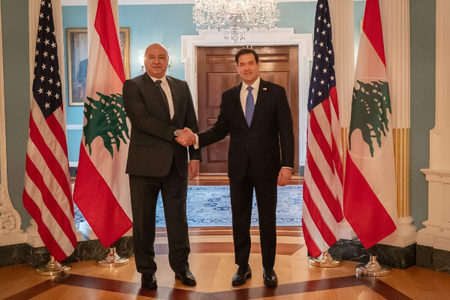
How Mr. Trump might respond to such a proposal is anyone's guess. Senior American officials, including Secretary of State Marco Rubio, have insisted that Hormuz return to the unrestricted international navigation that existed before the war.
That seemed to be Trump's stance. He then suggested imposing a 20 percent tariff on all cargo in exchange for US Navy protection of the strait, before abandoning the proposal 24 hours later.
So a major obstacle now, analysts said, is the lack of well-defined American policy objectives. / Adapted from "The New York Times"




Lini një Përgjigje