


 Shkruar nga Pamfleti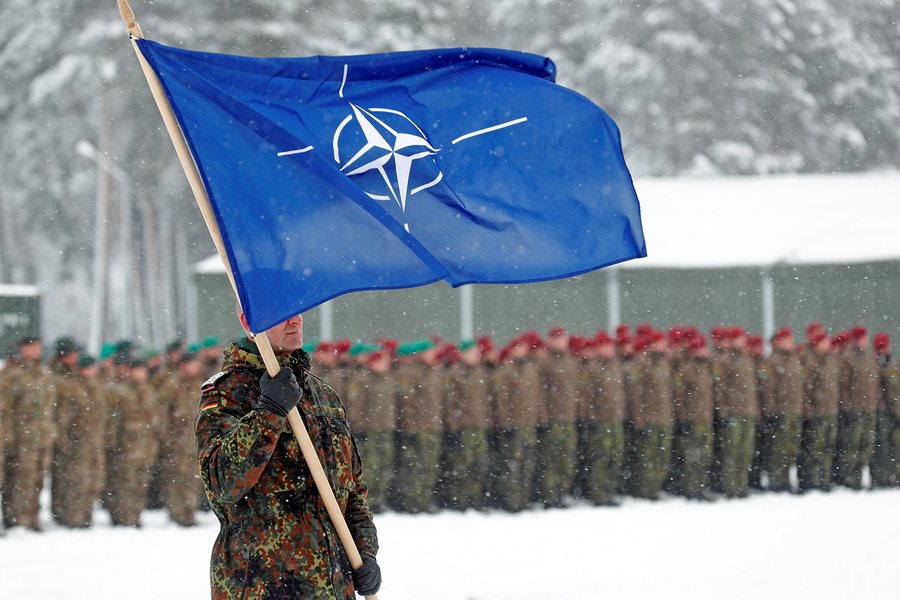
At the NATO summit in Lithuania, the risk of a direct war with Russia will be discussed...
Vladimir Putin's full-scale invasion of Ukraine has prompted NATO members to plan in detail what has been unthinkable since the end of the Cold War: A direct conflict with Russia.
However, ahead of the bloc's summit in Vilnius, Lithuania, where the confrontation with Moscow will be at the fore, Sir Richard Shirreff, the former Deputy Supreme Allied Commander for Europe, said NATO is not ready for a war with Russia.
"There is a massive war going on in Eastern Europe. It is a land war and an air war, and so investments are needed in air and land and that has not been done. Last year at the NATO summit in Madrid, Jens Stoltenberg announced that NATO would increase its standby force to 300,000 - that just hasn't happened," he told Newsweek.
"Am I confident that NATO will really be able to generate conventional forces ready for a war with Russia? No, I am not," he added.
Classified documents
Even if the Kremlin and Russian state media say the war is now between Moscow and NATO, the alliance has tried to avoid a direct role in the fighting, instead providing Ukraine with equipment to counter Moscow's aggression.
But one of NATO's most senior officials, Admiral Rob Bauer, said in May that the alliance needed to prepare for the fact "that conflict could arise at any time".
That's why NATO will review thousands of pages of classified documents outlining regional plans and guidelines for how members can improve their forces and logistics in the most detailed plans since the end of the Cold War.
The plans also include assigning troops to protect different regions and detail "where, what and how to deploy them," Stoltenberg said last month, according to Reuters. This will build on the process triggered by the annexation of Crimea, after which Western allies deployed combat troops to Eastern Europe.
What will be discussed at the summit "seems like due diligence to support what NATO has prepared and done anyway," Rose Gottemoeller, the alliance's former deputy secretary general, told Newsweek.
NATO battle groups
In March, Stoltenberg announced that the alliance would deploy four new battle groups, each with about 1,500 troops, across Bulgaria, Hungary, Romania and Slovakia.
Stoltenberg said the aim would be to "strengthen NATO's position in the eastern part of the alliance, on land, in the air and at sea". NATO already has battle groups in Estonia, Latvia, Lithuania and Poland.
“Ata janë vija e parë dhe nëse rusët duhet të sulmojnë, ata do të marrin goditjet e para”, tha Gottemoeller. "Nëse Rusinë sulmon një vend të NATO-s, për shembull një nga shtetet baltike, ajo do të sulmojë të gjithë NATO-n dhe e gjithë NATO do të përgjigjet menjëherë", vijoi më tej.
Ajo tha se planifikimi për një luftë midis NATO-s dhe Moskës është pjesë e një përpjekjeje gati dhjetëvjeçare për ta kthyer aleancën në një pozicion më të fortë mbrojtjeje sesa ishte, që nga fundi i Luftës së Ftohtë dhe sulmet e 11 shtatorit.
Neni pesë
Të shqetësuar mjaftueshëm për luftën më të madhe të Evropës që nga viti 1945, kryeqytetet perëndimore u tronditën shkurtimisht nga shfaqja e një rakete ruse në Poloninë anëtare të NATO-s në nëntor 2022 , dhe pasojat për Nenin Pesë, zotimin e mbrojtjes kolektive të statutit të aleancës.
Një vlerësim që ka të ngjarë të vinte nga Ukraina duke u përpjekur të kapte një raketë të Moskës uli temperaturat, megjithëse një gazetë nga organizata jofitimprurëse Rand Corporation një muaj më vonë tha se mbështetja e NATO-s për Kievin "ngriti shqetësime për hakmarrjen e mundshme ruse kundër aleancës".
Gazeta vë në dukje se planifikuesit e Shteteve të Bashkuara dhe NATO-s janë fokusuar prej kohësh në përgatitjen për një konflikt të drejtpërdrejtë me Rusinë, por lufta në Ukrainë "ka krijuar një grup unik rrethanash që e bëjnë të besueshëm një sulm më të kufizuar rus".
Me letrën e tij, Rand përshkroi skenarë të ndryshëm që përfshinin një sulm rus ndaj një objektivi të NATO-s, se si do të reagonte aleanca dhe cila do të ishte masa e ardhshme e Moskës.
A "demonstration" attack might be, for example, on an airfield with few casualties. A "focused" attack would have more impact and could affect NATO operations.
Any NATO response to an attack by Moscow "depends on what the attack represents," report co-author and Rand senior political scientist Karl P. Mueller told Newsweek.
"If the Russians are panicking and feeling desperate, you treat it differently and you don't think they're doing it for proper instrumental military reasons because they think it's a good way to win the war," he said. / Adapt "Pamphlet"



Lini një Përgjigje