


 Shkruar nga Dragan Sormaz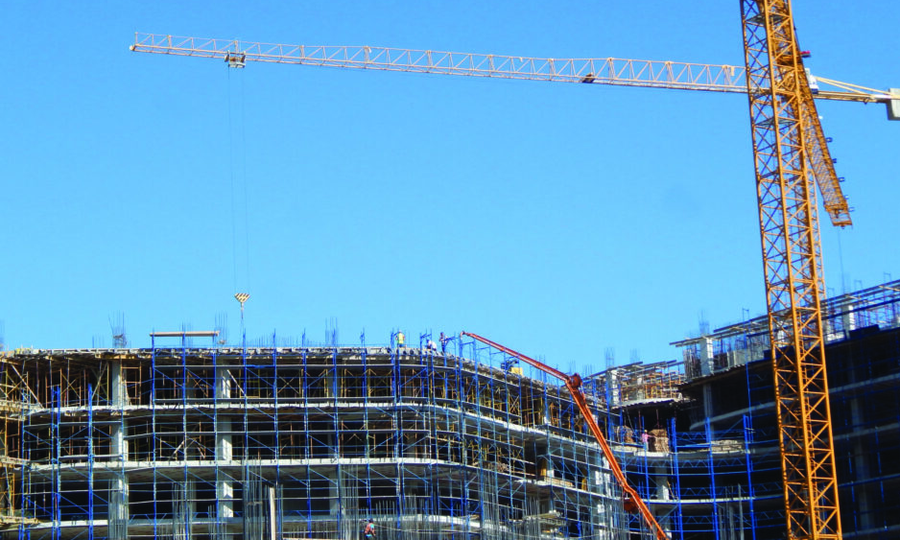
Artificially inflated prices per square meter of housing and their rents significantly increase the cost of living...
The decline in foreign direct investment (FDI) inflows by more than 52% in the first quarter of 2026, with a net inflow of only 290 million euros, is not just a temporary statistical blip on the radar of the National Bank of Serbia. It constitutes the official diagnosis of a model that has been struggling for a long time and has now finally exhausted its main source.
The economic strategy, built over the years on the trinomial of “free labor, generous budget subsidies, and labor-intensive production plants,” has reached its natural limits. Serbia no longer has free labor, let alone free labor in the sense of its freedom, while internal geopolitical and macroeconomic upheavals have exposed all the systemic flaws of Vučić’s copy of the Chinese model.
In an attempt to bridge this worrying investment gap, Vučić recently announced in China, under undisclosed terms, that he had agreed to an investment round worth around 950 million euros. Apart from the fact that this amount represents only about 12% of Serbia’s two-year investment needs, the information that a full 550 million euros of the promised Chinese investments are dedicated to expanding the capacities of the Ling Long factory, which is on the United States’ blacklist, is a clear indication that the Vučić regime is now openly gambling with Serbia’s future.
While the regime's propagandists justify the decline in investments with external factors and the crisis in the Eurozone, the essential truth is hidden that Serbia is rapidly losing its comparative advantages, while internal structural anomalies are tightening the noose around its neck.
One of the main factors generating the silent decline of the domestic processing industry is monetary policy, which at all costs keeps the nominal exchange rate of the domestic currency “nailed” to the psychological limit of around 117.3 dinars per euro. In conditions where inflation in Serbia remains constantly above the Eurozone average, this protection of stability has turned into its opposite, a real appreciation of the domestic currency. In addition to the fact that in order to protect the unrealistic value of the dinar, the National Bank of Serbia spent 1.2 billion euros from foreign exchange reserves during the first quarter of this year, the consequences of this policy are much more serious.
For a foreign investor in export-oriented Serbia, this means that all local costs, wages, electricity, utilities and domestic raw materials, expressed in dinars, increase with the high rates of domestic inflation, while his product on the European market continues to bring the same amount of euros, which are converted into the same fixed number of dinars. The result is a drastic contraction of profit margins for the healthiest part of the economy. In this way, the state has consciously chosen to sacrifice the competitiveness of the domestic export sector in order to maintain the illusion of stability and to save the balance sheets of enterprises and citizens who are credited in euros.
The second, even more dangerous, anomaly of the Serbian market is the complete lack of institutional control over the construction and real estate sector. While the real construction sector, measured at constant prices, is experiencing a decline in activity, a decline of 5.1% at the beginning of this year, the nominal value of turnover has reached historically high levels. The fact that up to 85% of transactions in the real estate market are carried out in cash clearly shows that this market no longer functions according to the laws of supply and demand, but as a parallel financial system and as a mechanism for money laundering and the absorption of liquidity from the informal economy.
This bubble has direct and devastating consequences for the economy. The artificially inflated prices of square meters of housing and their rents significantly increase the cost of living for workers. To survive in increasingly expensive cities, workers demand higher nominal wages, which forces employers to raise wages without any real increase in productivity. While this gives Vučić and his regime propaganda material to boast about the level of the average wage in the country, it also makes domestic products less competitive in foreign markets and severely damages Serbia's export sector.
The informal economy and the tolerance of capital of dubious origin in housing construction are directly eroding the competitiveness of the manufacturing industry. At the same time, they are contributing to the increase in inflation and the depreciation of the average salary, which is approaching the former dream of 1,000 euros. The problem is that, in the meantime, due to high inflation and the fixed exchange rate, this dream has collided with reality: with 1,000 euros today you can only buy as many goods and services as you could buy in 2012 with just 550 euros. In other words, while the regime's clientelistic and mafia network continues unhindered to launder and legalize, through the purchase of real estate, the money embezzled from the citizens of Serbia, these same citizens are being charged the cost in the form of inflation and a further decline in the standard of living.
Dalja nga ky rreth vicioz kërkon reforma të thella strukturore, duke filluar me uljen rrënjësore të tatimeve dhe kontributeve mbi pagat, të cilat aktualisht e ngarkojnë pagën neto me rreth 60%, me qëllim lehtësimin e barrës mbi ekonominë. Paralelisht, duhet të vendoset një verifikim rigoroz i origjinës së pasurisë dhe tatim i posaçëm për pronat luksoze.
Megjithatë, një paketë e tillë reformash në Serbi përballet me një pengesë politike pothuajse të pakapërcyeshme. Heqja dorë e shtetit nga një pjesë e të ardhurave fiskale do të nënkuptonte edhe uljen e shpenzimeve publike. Zvogëlimi i pagave në sektorin publik ose i pensioneve do të ishte një vetëvrasje politike, ndërsa shkurtimi i investimeve kapitale do të rrëzonte iluzionin e rritjes së Prodhimit të Brendshëm Bruto (PBB) dhe narrativën e kultivuar me kujdes për “Serbinë në hov ndërtimor”. Për këtë arsye, pushteti zgjedh në mënyrë oportuniste rrugën e rezistencës më të vogël: i mban të larta barrat fiskale për të gjithë, ndërsa problemin e konkurrueshmërisë përpiqet ta zgjidhë duke u shpërndarë subvencione të drejtpërdrejta nga buxheti aktorëve të përzgjedhur.
Si kulmi i kësaj politike të blerjes së kohës vjen projekti EXPO 2027, mbi të cilin regjimi i Vuçiçit ka vënë të gjitha shpresat. Me një portofol shoqërues që arrin vlerën marramendëse dhe mjaft jorealiste prej 17 miliardë eurosh, ky projekt është një shembull tipik i fryrjes së Prodhimit të Brendshëm Bruto (PBB) përmes punimeve masive publike. Në afat të shkurtër, statistikat do të duken mbresëlënëse: mijëra tonë betoni të derdhur do të rrisin artificialisht normat e rritjes ekonomike gjatë dy viteve të ardhshme.
Megjithatë, fatura afatgjatë do të paraqitet menjëherë pas mbylljes së ekspozitës, në verën e vitit 2027. Përmes miratimit të një lex specialis, këto projekte janë përjashtuar nga Ligji për Prokurimet Publike, duke hapur gjerësisht rrugën për kontrata jotransparente në favor të të privilegjuarve, për korrupsion dhe fryrje të kostove të punimeve, në kurriz të rritjes së borxhit publik, i cili merret në një periudhë me norma të larta interesi.
Ndërsa Lisbona, në vitin 1998, e shfrytëzoi EXPO-n për t’ua shitur paraprakisht objektet sektorit privat dhe për të krijuar një zonë të re biznesi, Serbia po anon rrezikshëm drejt modelit të Zaragozës së vitit 2008. Atje, projektet madhështore arkitekturore, pas përfundimit të ekspozitës, u shndërruan në “elefantë të bardhë”, objekte gjigante dhe të pashfrytëzuara, mirëmbajtja e të cilave për vite me radhë rëndoi mbi buxhetet lokale. Sallat ekspozuese në Surçin dhe Stadiumi Kombëtar, me një kosto prej afro 900 milionë eurosh, tribunat e të cilit futbolli serb, si në nivel klubesh ashtu edhe i përfaqësueses, vështirë se do t’i mbushë më shumë se dy ose tri herë në vit, rrezikojnë të bëhen monumente të përhershme të megalomanisë politike, që nuk krijojnë vlerë të re ekonomike, por vetëm gjenerojnë shpenzime mirëmbajtjeje.
Moreover, aware of the imminent approach of the presidential elections, Vučić is creating new aid packages for the needy citizens of the "economic tiger", taking out additional loans of billions of euros in international banking markets for this purpose.
Serbia's economic policy is in a vicious circle of self-destruction. The old model has failed, while the transition to a new, healthier model, based on technology, domestic small and medium-sized enterprises and the rule of law, is being deliberately blocked in order to preserve political popularity and the interests of construction lobbies.
Inflating the economy through expensive debt and concrete may create the illusion of progress on television screens, but it cannot fool the laws of economics. When the concrete machines in Surčin stop, Serbia risks remaining a country with an overvalued currency, destroyed export competitiveness, and a mountain of debt that will take decades to repay in an economy that has not yet modernized.
The illusion built on concrete is costly and the bill for it is always sent to the citizens. While the bill for Vučić's policies risks becoming a burden on the shoulders of several future generations of Serbian citizens, if by then there will still be anyone left to live in such a state.


Lini një Përgjigje