


 Shkruar nga Pamfleti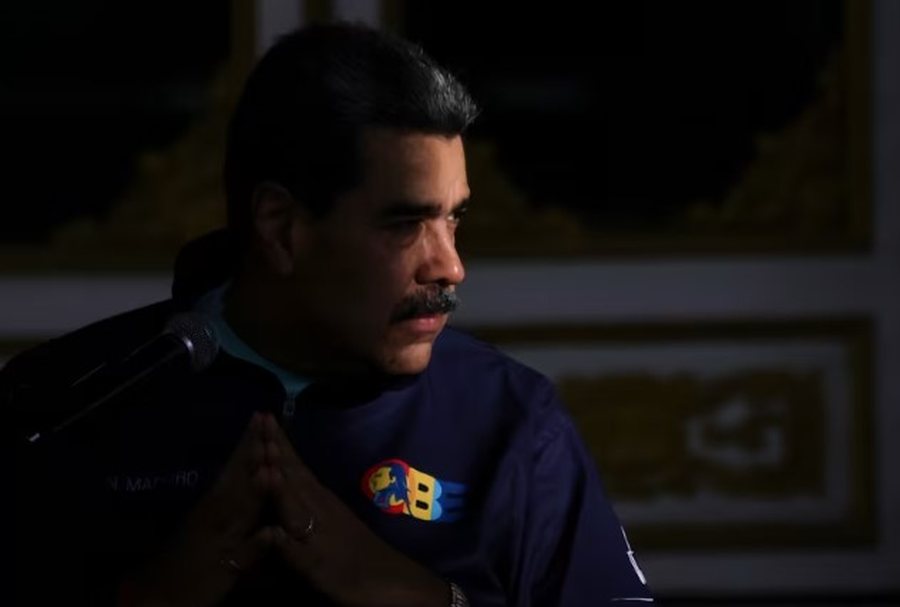
The Trump administration has received expanded powers to take action against Venezuela since Monday, after the US officially classified Venezuelan President Nicolás Maduro and his allies in the government as part of a foreign terrorist organization.
Designating the “Cartel of the Suns” (Cartel de los Soles), a term that experts say describes corrupt regime officials rather than an organized criminal group, gives President Donald Trump the opportunity to impose new sanctions targeting assets and infrastructure controlled by Maduro. According to lawyers, this classification does not directly authorize the use of deadly force, but creates a legal basis for more severe measures.
However, administration officials are arguing that this move, one of the State Department's most serious tools in the fight against terrorism, gives the US expanded military options for strikes inside Venezuelan territory.
According to experts, the term “Cartel de los Soles” refers to a decentralized network of groups within the Venezuelan military linked to drug trafficking. President Maduro has consistently denied any personal involvement and his government has dismissed the existence of this cartel, which some experts say technically does not exist as an organized structure.
The official designation, made public on November 16, comes as the US military has deployed more than a dozen warships and about 15,000 troops to the region as part of the Pentagon's Operation Southern Spear. As part of the campaign against drug trafficking, the US has killed dozens of people in naval strikes.
President Trump has been briefed by top officials on a wide range of options for action inside Venezuela, from possible attacks on military or government bases to special operations. The option of inaction remains on the table.
Meanwhile, the chairman of the Joint Chiefs of Staff, General Dan Caine, and his top adviser, David Isom, are expected to visit Puerto Rico on Monday to thank troops supporting missions in the Caribbean Sea.
Although the operation is underway, a section of the American public opposes military intervention. According to a CBS News/YouGov poll released Sunday, 70% of Americans oppose military action in Venezuela, while 30% are in favor. Also, 76% of respondents believe that the Trump administration has not clearly explained its position.
Officially, the Trump administration says the goal is to reduce illegal immigration and drug flows, although a potential side effect is regime change for Maduro. According to a U.S. official, Trump hopes the combined pressure will be enough to force Maduro to step down without the direct use of force.
The Venezuelan government responded with a statement, calling the classification of the cartel as a terrorist organization "a ridiculous fabrication."
"This new maneuver will have the same fate as past aggressions against our country: failure," the statement continues.
Trump has also shown room for a diplomatic solution. Last week he said Maduro "would like to talk," adding that he himself might be open to a meeting "at some point."
The White House did not immediately respond to CNN's request for comment on the possibility of an imminent Trump-Maduro conversation.


Lini një Përgjigje