


 Shkruar nga Pamfleti
Just a month after the memorandum signed in Versailles, the de facto ceasefire between the US and Iran has collapsed. Washington has resumed military strikes and sanctions on Iranian oil exports, while the prospect of a new agreement seems more distant than ever.
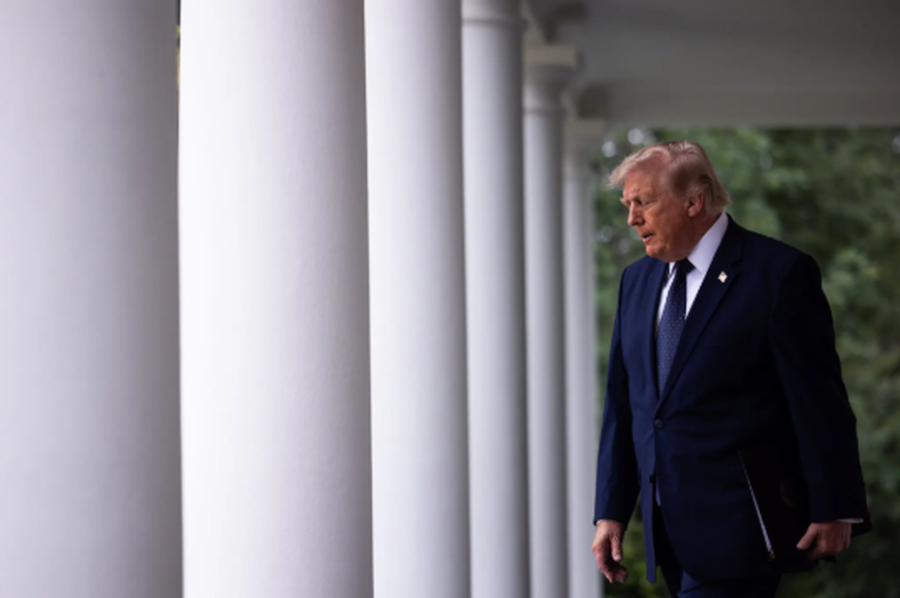
In the days before President Donald Trump signed the preliminary agreement with Iran, after a dinner at the Palace of Versailles, the place where World War I officially ended, he and his advisers explained the strategy they had built.
Under the plan, the Strait of Hormuz would be opened to commercial shipping, while the United States would give Iran the opportunity to export billions of dollars in oil.
Trump argued that, after years of sanctions, the Iranian economy would quickly become dependent on large oil revenues and access to the Western banking system.
"It was a very good deal for Iran ," Trump said during a phone call with a reporter from The New York Times, three days before the signing of the memorandum of understanding on June 17.
"They are even proud of this agreement. I believe they were tired of being hit," he said of the Iranian negotiators.
However, developments on the ground showed the opposite.
Less than a month after the deal, attacks on three ships passing through the Strait of Hormuz, a maritime corridor outside Iran's direct control, prompted Trump to revoke the waiver that allowed Tehran to export oil.
Meanwhile, the United States has bombed over 170 Iranian military targets during two nights of attacks. No round of negotiations is currently planned for the much broader, longer-term deal, which both sides had agreed to negotiate within 60 days.
If the Trump administration already has a "Plan C," following the failure of the bombings and the preliminary agreement, it has not made it public.
On the contrary, everything indicates that Washington is returning to the policy of sanctions on Iranian oil and the bombing campaign, which Trump describes as destructive, but which have so far not produced the desired result.
"The formula is very simple," Vice President JD Vance said Wednesday. "If they fire on the ships, we will strike them mercilessly."
Vance had opposed the initial attack of February 28, but then took on the task of publicly defending the war and negotiating a diplomatic way out.
In other words, economic incentives have been set aside. Politics has reverted to military and economic pressure.
Megjithatë, administrata amerikane ende nuk ka shpjeguar pse beson se kjo strategji do të japë rezultate të ndryshme nga ato të deritanishmet.
"Jemi përballë një ngërçi strategjik", tha Richard N. Haass, diplomat me përvojë që ka shërbyer në Departamentin amerikan të Shtetit dhe në Këshillin e Sigurisë Kombëtare gjatë disa administratave, përfshirë presidencën e George W. Bush.
"Sfida është se sa më shumë sulmojmë ne, aq më shumë Irani godet infrastrukturën energjetike dhe naftës në Gjirin Persik. Administrata ende nuk ka gjetur mënyrën për ta mbrojtur atë."
Sipas Haass, Trump fillimisht besoi se bombardimet do ta rrëzonin regjimin iranian, më pas se do ta detyronin atë të dorëzohej.
"Asnjëra nuk funksionoi."
As politika për t'i lejuar Iranit të përfitonte nga eksportet e naftës nuk dha rezultat.Kjo përfaqësonte një ndryshim të madh nga mandati i parë presidencial i Trumpit, kur ai mbështetej pothuajse ekskluzivisht te sanksionet.
Ideja e re bazohej në bindjen se edhe një regjim revolucionar do të preferonte një ekonomi moderne dhe funksionale, që gjeneron mirëqenie dhe të ardhura.
Trump përballet gjithashtu me përçarjet e thella politike brenda Iranit.Këto u bënë të dukshme gjatë ceremonive mortore për Ajatollah Ali Khamenein, udhëheqësin suprem iranian, i cili u vra gjatë orëve të para të sulmit amerikano-izraelit ndaj Teheranit.
Njëri prej negociatorëve kryesorë iranianë, ministri i Jashtëm Abbas Araghchi, u godit me gur gjatë ceremonisë dhe u akuzua për pajtim me armikun.
Sulmuesit e fyen dhe kërkuan vdekjen e tij.Edhe presidenti Masoud Pezeshkian u përball me zemërimin e turmës dhe u largua nga truprojat e tij për arsye sigurie.
Megjithatë, në deklaratat publike Trump rrallë përmend këto ndarje të brendshme.
Ai flet për Iranin sikur të ishte një shtet plotësisht i centralizuar, nën drejtimin e Mojtaba Khameneit, djalit të udhëheqësit të vrarë dhe një prej figurave që po shfaqen si pjesë e lidershipit të ri.Vetëm pak javë më parë Trump e kishte cilësuar këtë grup si "më të arsyeshëm" se paraardhësit e tyre.Të mërkurën, gjatë samitit të NATO-s në Ankara, ai përdori një gjuhë krejt tjetër, duke i quajtur "llum".
Pas kthimit nga samiti, Trump dhe bashkëpunëtorët e tij dhanë pak detaje për hapat e ardhshëm.
Një zyrtar amerikan, që foli në kushte anonimiteti, tha se administrata mbetet e angazhuar për një zgjidhje paqësore dhe pret vazhdimin e të ashtuquajturave "bisedime teknike".
Megjithatë, edhe ky përkufizim konsiderohet problematik.Mosmarrëveshjet mes Teheranit dhe Uashingtonit nuk janë çështje teknike, por politike, ndaj negociatorët e nivelit të ulët nuk kanë autoritet për të marrë vendime përfundimtare.
Një nga çështjet kryesore mbetet e ardhmja e programit bërthamor iranian.Marrëveshja e armëpushimit e muajit qershor është e paqartë në pikat më të rëndësishme, përfshirë fatin e rezervave të karburantit bërthamor të Iranit.
Under the 2015 deal, negotiated by the Barack Obama administration, Iran surrendered 97 percent of its reserves.
Trump is particularly sensitive to any perception that he could reach a less favorable agreement than Obama's. Another sticking point is control over the Strait of Hormuz. The US administration is grappling with the consequences of the vague wording of the fifth paragraph of the memorandum of understanding signed in Versailles.
"After signing this memorandum, the Islamic Republic of Iran will take measures, using its best efforts, to guarantee the safe passage of commercial ships, free of charge for 60 days, from the Persian Gulf to the Sea of Oman and vice versa," he said.
The Trump administration interpreted this as Iran's obligation to guarantee freedom of navigation.
On the other hand, Tehran interpreted it as its right to administer the passage of ships, requiring them to sail in the corridor closest to Iranian shores.
Iran then signaled that it intended to impose tariffs for passage through the strait. When the US Navy began escorting ships through another corridor near Oman, Iran responded by opening fire on some of them.
According to the British company Lloyd's of London, maritime traffic in the Strait of Hormuz has currently been significantly reduced.
This situation has prompted Trump to declare that the agreement is "over."
His aides insist that the United States has not violated the agreement, arguing that the memorandum was conditional on Iran fulfilling obligations and that Tehran failed to comply with them.
This brings Trump back to where he was in April, when he realized that the use of military force was not enough to resolve the crisis and that many political figures in Iran see any diplomatic process only as a way to buy time until another American-Israeli attack. / Adapted from The New York Times


Njeriu që Tramp urren për vdekje, është Bibi dhe Mosadi që e mashtruan për luftën e shpejtë me lranin dhe që i shkatërroi lavdinë dhe të ardhmen.