


 Shkruar nga Pamfleti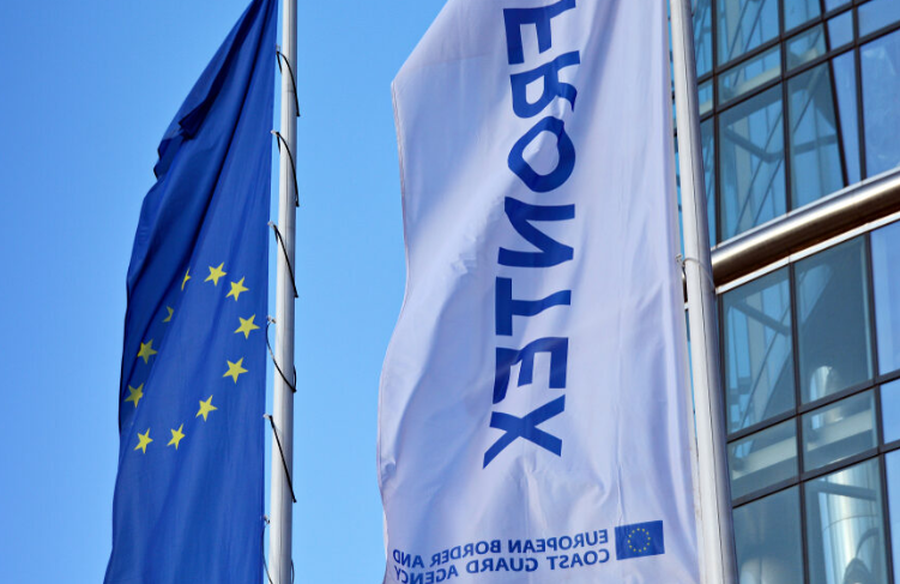
EU member states are divided over the Commission's intention to allow the European Border and Coast Guard Agency (Frontex) to take on greater responsibilities in matters related to security and defence, ahead of a review of the agency's mandate in the coming months. However, this would change the nature and functioning of Frontex, which is concerned with supporting member states in managing borders and fighting cross-border crime, but not with matters related to national security.
For this reason, a group of 10 member states sent the Commission a non-legal document a few days ago, stressing that Frontex should avoid any role in matters related to security and defence.
Since last September, member states have been discussing the future role of Frontex amid persistent hybrid threats at the EU's borders. Some governments, particularly from Eastern Europe, want the agency to take on the protection of underwater infrastructure in international waters, due to frequent acts of sabotage on undersea cables, which are attributed to Russia.
The "instrumentalisation" of migrants is already recognised by Frontex as a "hybrid threat". Some Member States are therefore wondering whether the violation of airspace by drones, due to recent incidents in several European countries, but also attacks against infrastructure could fall under the definition of a "hybrid threat" in order to allow Frontex to provide a supporting role by reinforcing its vessels with anti-drone systems.
However, the group consisting of Greece, the Czech Republic, Croatia, Hungary, Spain, Lithuania, Malta, Poland, Romania and Slovenia believes that Frontex should not take on a role related to protection and security.
Frontex has been operating since 2004, while governments decide exactly how it can help them. The Commission also aims to strengthen the Agency, tripling its staff from 10,000 to 30,000 by 2027, which not all member states agree to.
In light of the review of the agency's mandate, EU sources clarify that the Commission is in consultations with member states and nothing has been decided. The relevant discussions, moreover, will continue at the beginning of March at a technical level, while at the end of the same month, the Cypriot presidency of the Council of the EU will raise the issue of the future role of Frontex, EU sources report.





Lini një Përgjigje