


 Shkruar nga Pamfleti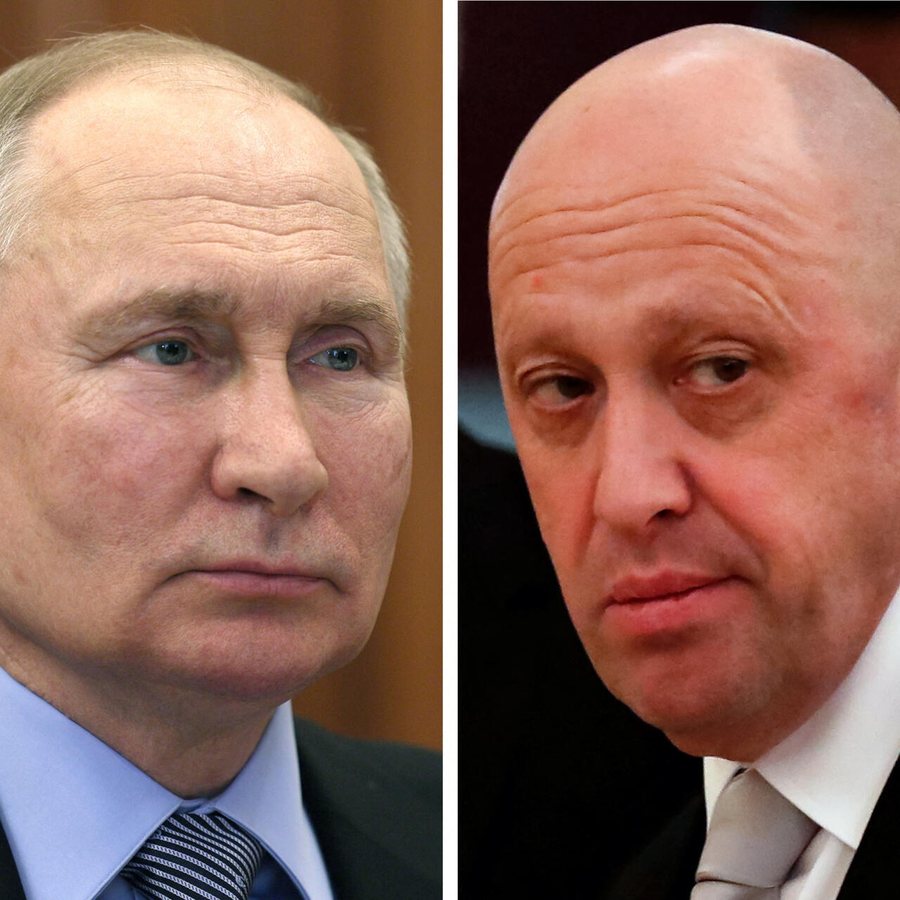
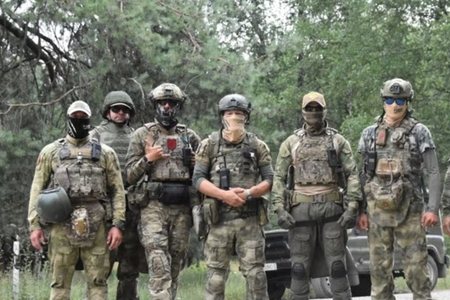
Two months have passed since Yevgeny Prigozhin started the so-called "March of Justice". Wagner's rebellion was directed at the military leadership of Russia.
Prigozhin demanded the removal of the Russian defense minister and chief of the general staff. But his actions, an armed uprising, were a direct challenge to Vladimir Putin's authority.
The Russian president called the organizers of the rebellion "traitors" who had "stabbed Russia in the back".
Although an agreement was reached between Prigozhin and the Kremlin to end the rebellion, much was unclear: would both sides stick to their agreement? And could the Kremlin forgive what it perceived as betrayal by the founder of the Wagner Group?
And what will be the consequences?
First, Putin has exacted a price against those who move against him. Prigozhin is dead and Surovikin, the former commander of Russian troops in Ukraine and by many competent accounts seen as close to Prigozhin, has been fired, arrested and may face charges (or worse). The strange spectacle of Prigozhin's initial lenient treatment is over; the delay in pursuing him may have only meant that Putin needed to gauge the extent of Prigozhin's support before acting.
Second, this latest affirmation of Putin's style — stay calm in a crisis and kill your opponents on your own terms and timing — probably strengthens his position in the short term. The inconsistency and vacillation evident on the day of and immediately after the uprising, which created speculation that Putin was vulnerable, has been replaced.
Së treti, një tiran që ruan pushtetin përmes vrasjeve dhe frikës mund të funksionojë në afat të shkurtër. Por një rregull i tillë kërkon një çmim për vendin. Putini ka marrë vendime të këqija, si fillimi i një lufte me Ukrainën, të cilën Rusia nuk mund ta fitojë. Ai nuk mund të paguajë asnjë çmim të menjëhershëm për atë vendim (ose vendime të tjera të këqija) nëse nuk dështon, në fushën e betejës ose ndryshe. Në atë moment, ai mund të jetë i pambrojtur. Një tiran si Putini, tregon historia, ka agjentë dhe shërbëtorë, por nuk ka aleatë apo miq të vërtetë.
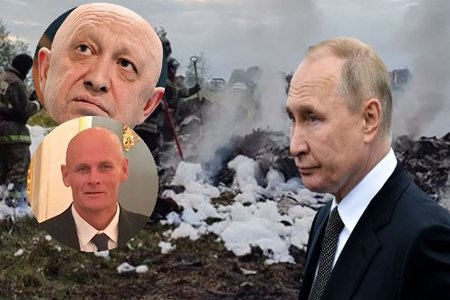
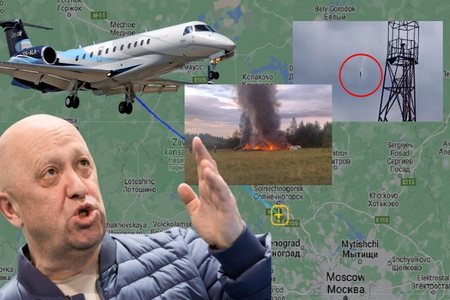
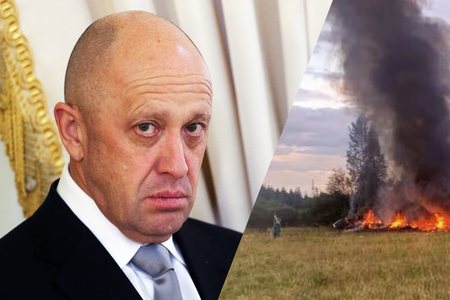
Agjencia ruse e lajmeve TASS dje raportoi se 10 persona janë vrarë pasi një avion privat u rrëzua në rajonin Tver, në veri të Moskës.
Wagner leader Yevgeny Prigozhin is believed to have been on board the flight, the Russian side said. The founder of the mercenary group was on the passenger list, but it is not clear if he boarded the flight.
Unconfirmed reports in the international media indicate that the business plane that crashed belonged to Prigozhin. Wagner's boss led a short-lived rebellion against Russia's top military in June and was described at the time by Vladimir Putin as a "traitor".
The rebellion ended when Belarusian President Alexander Lukashenko stepped in to broker a deal. Prigozhin was last seen in a video yesterday that appears to have been made in Africa.


Lini një Përgjigje