


 Shkruar nga Pamfleti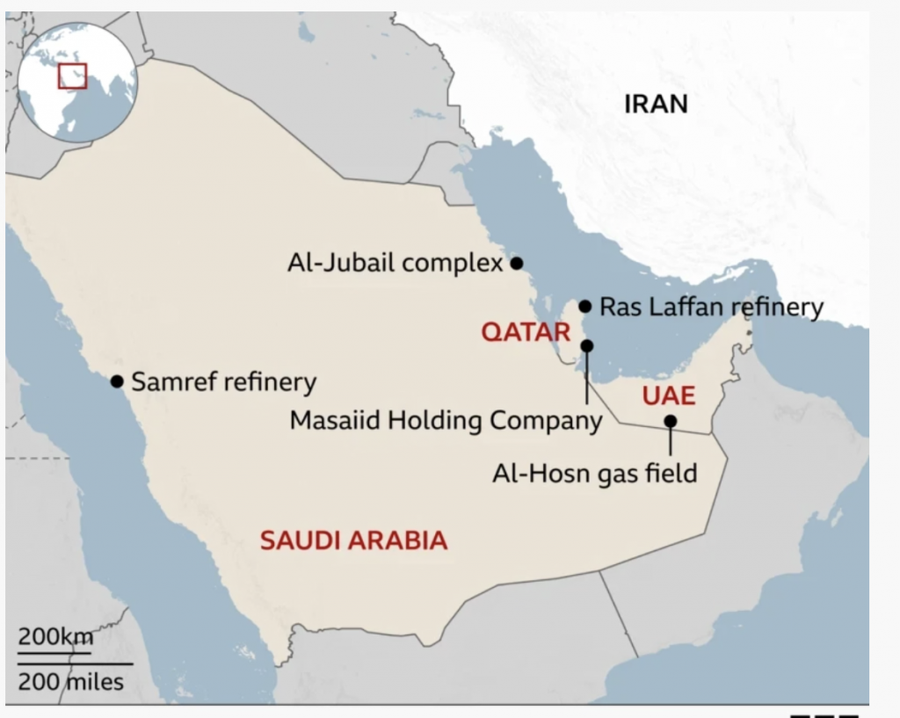
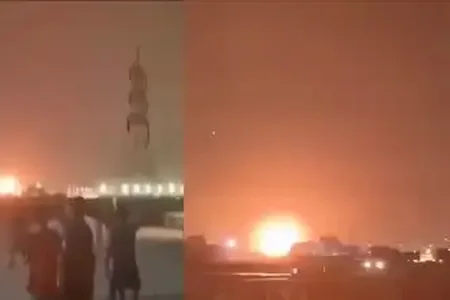
Iran's missile attacks on the Ras Laffan Industrial City in Qatar have raised concerns about wider repercussions for global energy markets. In less than 12 hours, the facility was hit twice, causing significant damage to one of the world's most important energy hubs.
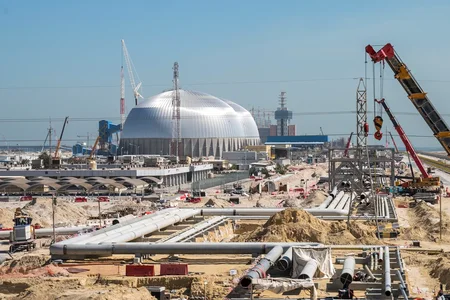
Ras Laffan is Qatar's main liquefied natural gas (LNG) production and export hub, providing around 20% of global supply. Operated by QatarEnergy, the complex includes processing, transportation and port infrastructure, making it essential for international gas trade.
Production at the facility had been suspended since early March due to the blockade of the Strait of Hormuz, a vital shipping corridor. The latest damage is expected to further delay the return to operations.
The most immediate consequences are expected to be felt in South Asia. Countries such as Pakistan, Bangladesh and India depend on Qatar for more than half of their LNG supplies and have limited storage capacity. However, the impact also extends to other parts of Asia, as well as Europe and Africa, which are supplied by this hub.
In addition to gas, Ras Laffan also produces important industrial products, including urea and ammonia for agriculture, as well as sulfur and helium. The latter is essential for the microchip industry and accounts for about a quarter of global production.
The center is located in northeastern Qatar, about 80 kilometers from Doha, and processes gas from a joint reserve with Iran in the Persian Gulf, known as North Dome by Qatar and South Pars by Iran.





Lini një Përgjigje