


 Shkruar nga Pamfleti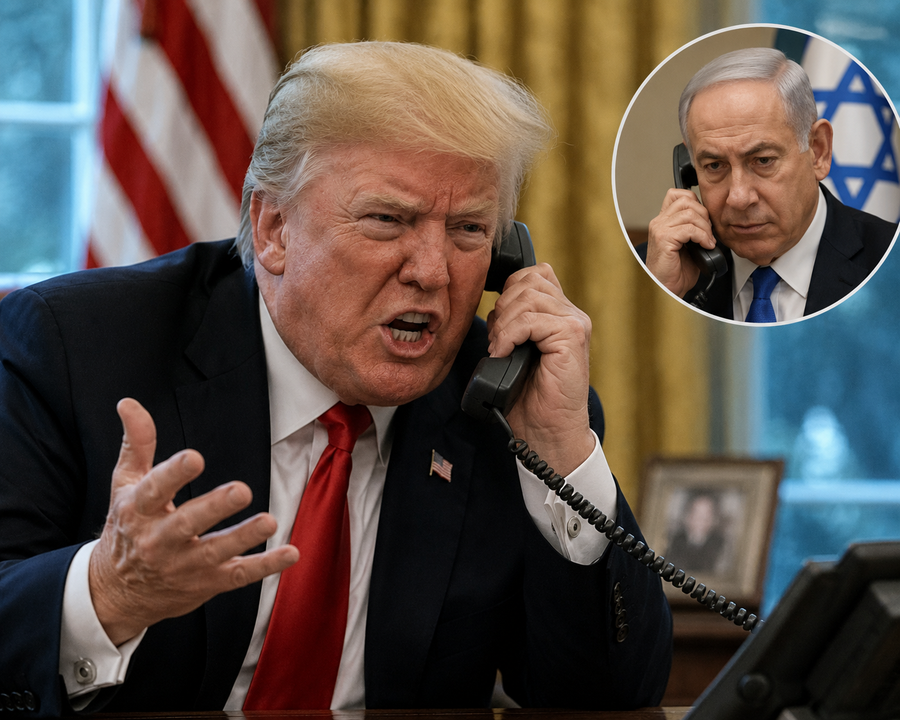
The US president intervened twice within hours to stop Israeli attacks on Tehran. Both sides have temporarily suspended operations, but threats of retaliation continue...
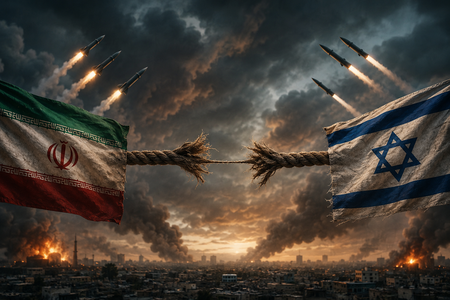
The Middle East is experiencing a fragile calm after a direct intervention by US President Donald Trump, who convinced Israeli Prime Minister Benjamin Netanyahu not to launch new attacks on Iran, at a time when the region was on the verge of a new military escalation.
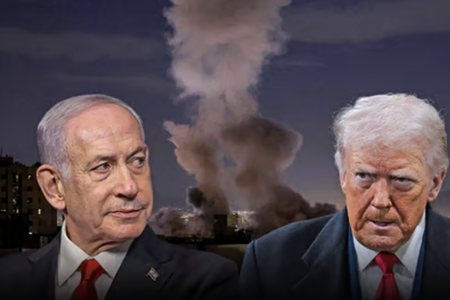
According to Israeli and American media, Israel was preparing to strike key targets in Tehran on Monday in response to the Iranian missile barrage. At that moment, Trump held a phone conversation with Netanyahu and asked him to withdraw plans for further attacks.
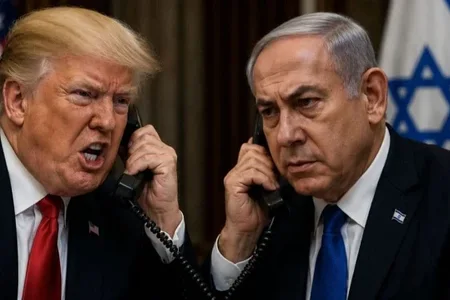
CNN sources say this was the second phone call between the two leaders in a matter of hours. During the first conversation, Netanyahu insisted that Israel must respond to Iranian attacks, while Trump urged him to limit his response to avoid a wider war in the region.
Following this conversation, Israel carried out limited attacks on several targets in Iran, including a key petrochemical complex, but avoided the broader operations that were being considered by the military leadership.
Later, Trump contacted Netanyahu again and managed to convince the Israeli government to temporarily halt the offensive. The US president himself stated that he had managed to significantly reduce the scale of the attack.
"The Israelis informed us when the operation was already in a very advanced stage. They were on their way to Iran. I was able to significantly reduce the size of the attack ," Trump declared.
According to the US president, mediators from five countries in the region had asked Washington to put pressure on Israel to pave the way for a diplomatic agreement.
Trump also said that Iranian authorities had signaled through diplomatic channels that they did not intend to continue attacks on Israel and had requested that Washington influence Tel Aviv to stop military operations.
"I called Bibi and made him stop," the American president said, using the nickname by which Netanyahu is known.
Meanwhile, both Israel and Iran announced a suspension of attacks, raising hopes for a reduction in tensions after the last few days of clashes.
However, the ceasefire remains far from secure.
Netanyahu stated that Israel retains the full right to self-defense and warned that any new Iranian attack would receive a strong response.
"For the moment, the fire with Iran has stopped. If we are attacked again, we will respond with force," the Israeli prime minister said, adding that he remains determined to prevent Iran from obtaining nuclear weapons.
On the other hand, Tehran has warned that any new military action by Israel will be met with even harsher responses.
Recent developments are also highlighting the strategic differences emerging between Washington and Tel Aviv. While Trump is trying to reach a deal with Iran and believes that negotiations are in the final stages, Netanyahu continues to support military pressure on Israel's opponents.
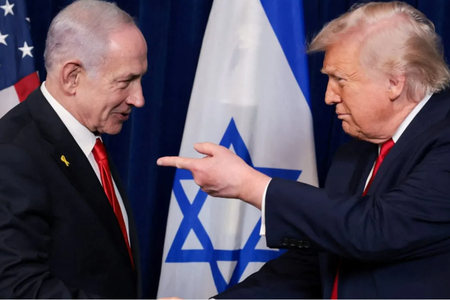
According to American media, the talks between Trump and Netanyahu this time were calmer than those last week, when disagreements over strategy towards Iran had caused strong tensions between the two leaders.
On the ground, the situation appears calmer. The Israeli military has announced the lifting of most security restrictions and the reopening of schools across the country from Tuesday. However, areas near the border with Lebanon will continue to remain under special security measures.
Despite the temporary calm, mutual threats and the lack of a lasting agreement mean that the ceasefire in the Middle East continues to hang in the balance, as American diplomacy tries to avoid a new regional conflict. / Pamphlet



Lini një Përgjigje