


 Shkruar nga Pamfleti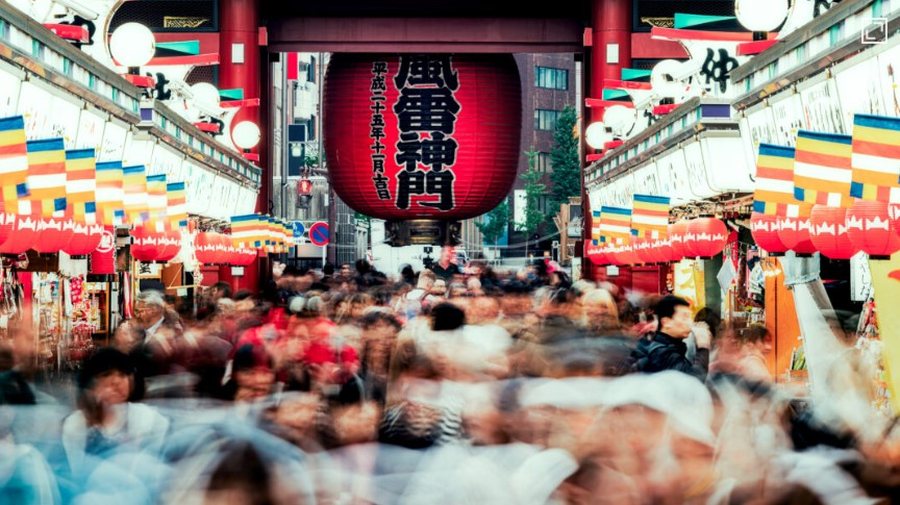
The administration in Yamanashi Prefecture, home of the sacred Mount Fuji with its perfectly symmetrical volcanic cone, recently announced a mandatory ¥2,000 ticket to climb its routes, as well as a limit on the daily number of climbers.
Lake Kawaguchi, which two centuries ago was captured on canvas by the famous Japanese painter Katsuhika Hokusai in his series of paintings "36 Views of Mount Fuji", remains a permanent "magnet" for tourists and has been a perennial problem for locals for years.
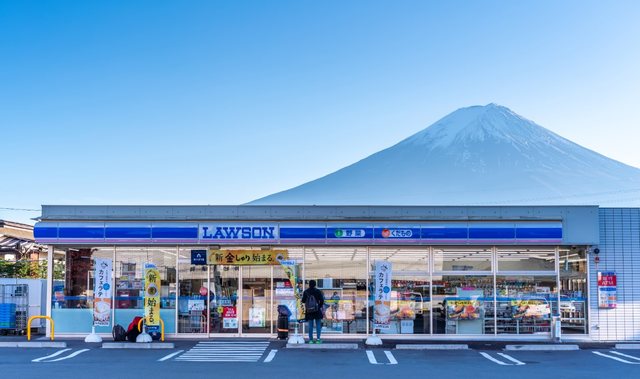
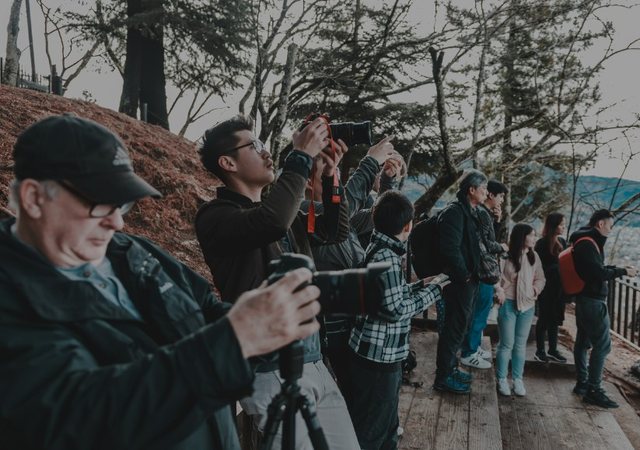
Last week, the lakeside town of Fujikaguchiko made international headlines for a decision to erect a fence to block views of Mount Fuji and prevent hordes of tourists from flocking to photograph it.
The decision came after a series of complaints from locals about unruly tourists climbing onto nearby rooftops to photograph Fuji over the town's Lawson supermarket, shamelessly polluting the area and causing traffic jams.
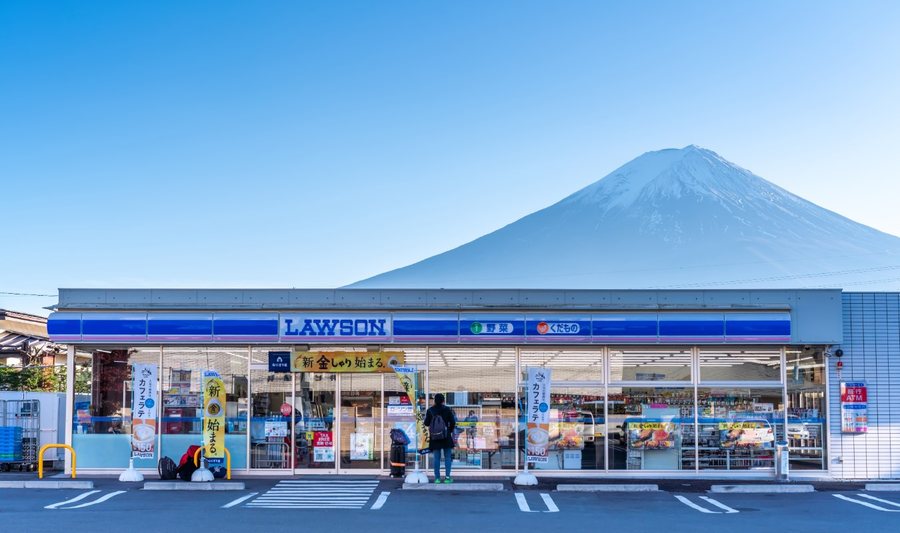
In a country famous for stoicism, politeness and good manners, this fence seems like an extreme measure of "self-defense", which is not isolated.
The opening of borders after three years of the pandemic, combined with a weak yen, has sparked a tourism boom, with the number of foreign visitors reaching 3 million for the first time in March.
Locals seem unable to cope with the weight of hypertourism, resulting in a series of initiatives aimed at curbing tourists and protecting the country's attractions and culture, but also maintaining normality in the daily lives of citizens.
Series of measures
The administration in Yamanashi Prefecture, home of the sacred Mount Fuji with its perfectly symmetrical volcanic cone, recently announced a mandatory ¥2,000 ticket to climb its routes, as well as a limit on the daily number of climbers.
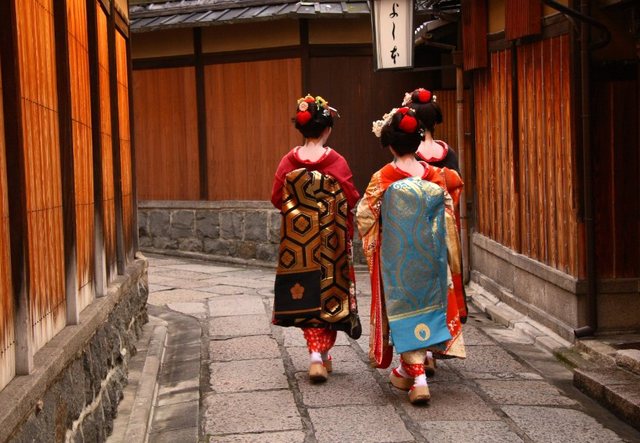
Japan's old capital, Kyoto, is another classic example of "tourist abuse" that takes drastic measures against ugly and troublesome tourists. In an effort to control the dramatic increase in tourism, authorities are banning visitors from the picturesque alleyways of Gion's iconic quarter.
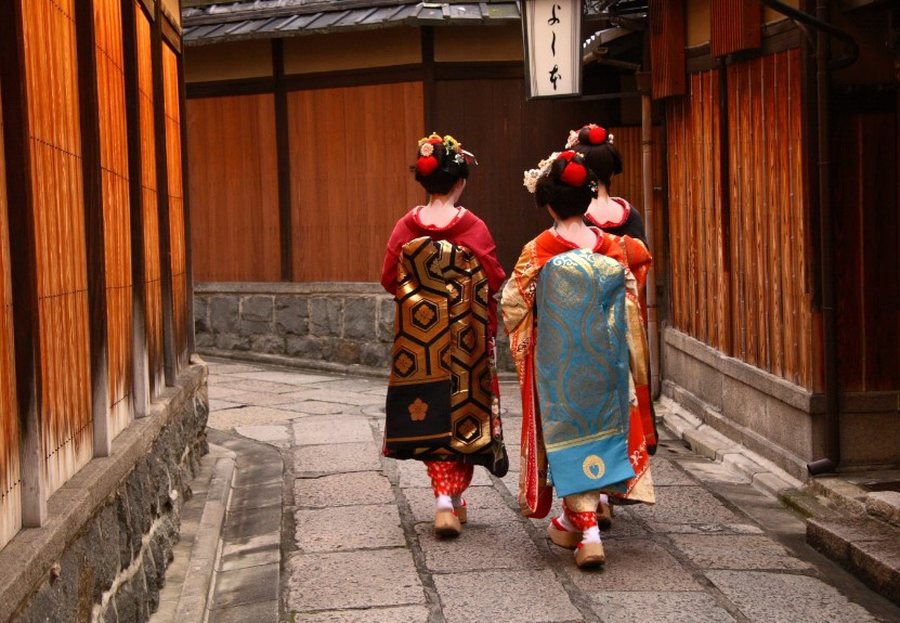
In Gion, geishas and maikos, who can be seen decked out in their expensive kimonos at tea ceremonies, are often targeted by unsuspecting visitors who, against social distancing recommendations, approach them, touch their clothes their traditional, while there are no shortage of complaints about people trespassing on private property.
Overcrowding on Kyoto's local buses is another key problem for locals, with city officials also announcing plans in March to launch sightseeing-only tour buses to ease pressure on urban roads.
" When tourism starts disrupting the daily lives of residents and causes saturation of quiet places, such as temples and holy places, it becomes unpleasant. As citizens of the world, we're all for sharing the beauty of cities, but when a smooth bus ride to the supermarket turns into a struggle, or your favorite bar is overcrowded, locals get frustrated, which leads to tension ,” notes Sara Aiko, director and founder of Curated Kyoto, a travel company based in Kyoto.
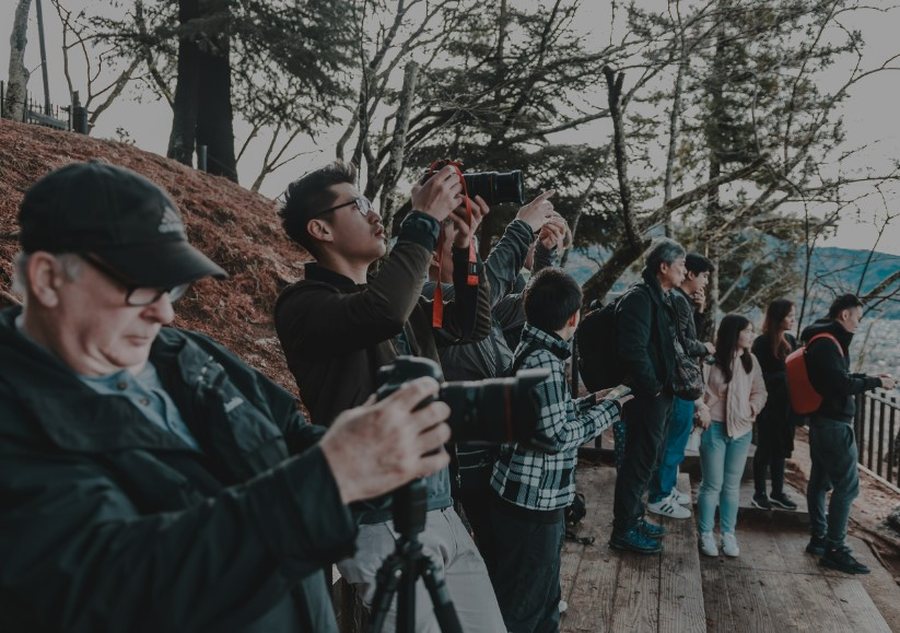
"Of course, this is not fun for tourists either. I personally want visitors to experience Kyoto in the best possible way, without feeling like they are part of a mass movement. There are still magical, quiet corners in the city that remain unexplored, but the problem lies in the infrastructure and the lack of a regulatory framework for the number of tourists" , he explains.
Niseko on Japan's northernmost island of Hokkaido, known as a winter destination thanks to its powdery snow, is struggling to meet ever-increasing tourism demand.
Now, in an attempt to control the situation, the resort will start charging visitors up to ¥2,000 per night to stay from next November.
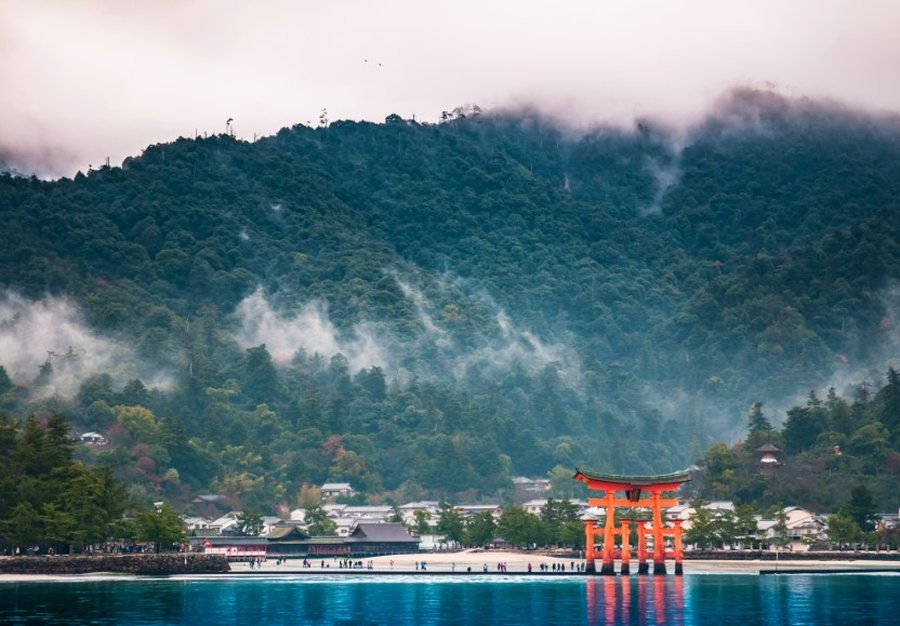
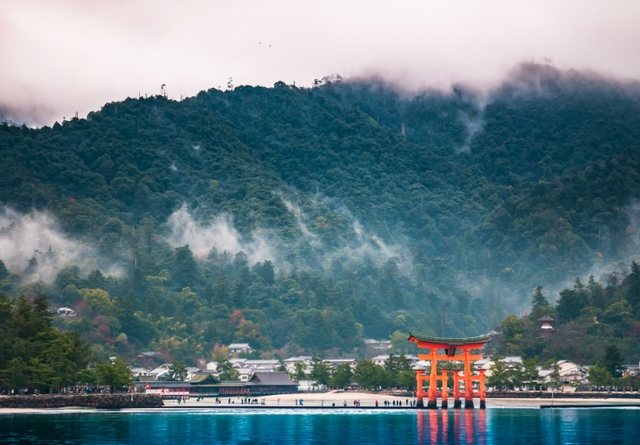
Further south, in Hiroshima Prefecture, the city of Hatsukaichi recently introduced a ¥100 entrance fee to help protect the iconic Itsukushima Shrine on Miyajima Island, a Unesco-listed monument known for its crimson torii and high that "submerges" in the water at high tide.
"Bypass the Algorithm"
The Japanese government is looking for ways to "decentralize" tourism, diverting tourists from the classic "Tokyo-Kyoto-Osaka" golden triangle and promoting 11 "model" destinations, lesser-known and therefore less crowded places - such as Hokuriku, Nagano. , Kagoshima, Hokkaido.
" Escape the algorithm and create your own adventure, " Charles Spreckley, founder of Japan-based travel planner People Make Places, advises travelers.
" Ignore the reviews on Google and other travel portals. The beautiful thing about Japan is that it's so safe, you can literally pick a destination and start walking around, exploring ," he concluded./ TheGuardian







Lini një Përgjigje