


 Shkruar nga Pamfleti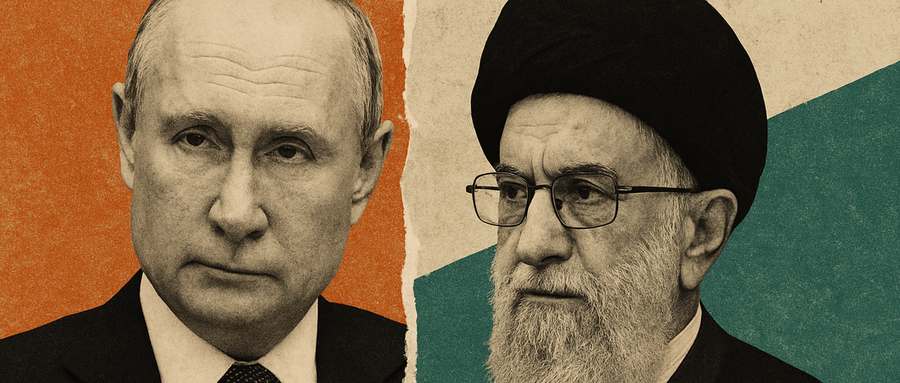
Much has been warned about the "axis of autocrats." But their alliances last only as long as they serve their own interests...
One of the most significant geopolitical developments in recent years has been the increasingly intense cooperation between authoritarian states around the world. China and Russia have grown closer economically and politically. For example, Beijing is helping Moscow circumvent sanctions imposed after its invasion of Ukraine. The countries are the two centers of a global axis of authoritarianism, which also includes North Korea, Iran, and other autocratic states.
The basis for cooperation within this axis, however, is neither shared values nor a common ideology, but rather their interests and a unanimous antipathy towards the US and its allies. China is not buying Iranian oil or helping Venezuelan dictator Nicolás Maduro stay in power because it hopes to spread Xi Jinping’s ideas in this way. China is acting as a patron and supporter because it wants to create a coalition as a counterweight to the West. Unlike the alliances of the Soviet era, authoritarian states today no longer need an ideological framework: it is enough for them to help each other circumvent sanctions, provide military support and cooperate diplomatically, all with the aim of creating a counterweight to the West.
In the Ukrainian war, several countries belonging to the authoritarian axis are directly present on the battlefield. Russia has deployed more than 8,000 Iranian-developed Shahed suicide drones to Ukraine since the beginning of the war. North Korea is supplying Russia with millions of artillery shells and ballistic missiles, and as many as 12,000 troops. While China does not directly supply Russia with military equipment, it is providing dual-use technology, semiconductors, machine tools and other equipment, as well as satellite imagery, bypassing sanctions.
However, these relationships are consistently transactional. In other words, the support these states provide to each other is clearly limited. A striking and typical recent example is the weak response of Russia and China to the joint Israeli-American attack on Iran's nuclear program.
In January, Russia and Iran signed a strategic partnership agreement that includes various forms of military cooperation, from joint exercises to technical assistance. Although Iran supports Russia in its military activities, Moscow abandoned Tehran when the Israeli Air Force bombed the country, causing massive damage to its nuclear infrastructure, military installations and government buildings, as well as killing senior military officials. Vladimir Putin ignored Tehran’s pleas for new air defense systems to replace those destroyed by Israel earlier this year. As Iranian cities were devastated by warplanes, Russia acted not as an ally but as a mediator.
This is not the first time Putin has left an ally in a desperate situation. When the fall of the Syrian regime loomed last year, Russia limited itself to granting asylum to Bashar al-Assad and his family. Assad’s fall was also a bitter strategic defeat for the Iranian leadership, whose Ring of Fire, made up of regional proxies mostly Hamas and Hezbollah, is currently being systematically eliminated by Israel. The lack of support sends a very clear message to Russia’s friends around the world: when it comes to adversity, you can’t rely on Moscow.
A similar pattern is evident in China. Beijing, like Russia, has forged closer ties with Iran in recent years, for example, signing an economic and political cooperation agreement with the country in 2021. Earlier this year, China, Russia, and Iran conducted joint military exercises. Chinese state media claims that “Iran seeks closer cooperation with China to counter US hegemony and unilateralism.” However, China’s own willingness to counter US hegemony did not extend to offering protection to Iran when the US bombed its nuclear facilities.
Economist Tino Sanandaji of the Stockholm School of Economics claims that Russia and China are “exploiting Iran’s isolation to secure cheap raw materials and selling the country second-rate military equipment at exorbitant prices, sometimes never delivering the promised equipment.” He argues that the relationships are short-term and arbitrary, and the risk of partners walking away at the first sign of trouble is high.
Një tjetër gjetje nga lufta Iran-Izrael është se aleancat midis demokracive janë shumë më të qëndrueshme sesa ato midis diktaturave. Në dallim nga transaksionalizmi që mbizotëron midis shteteve autoritare, demokracitë liberale inkurajojnë solidaritetin. Pas pushtimit të Ukrainës nga Rusia, SHBA-të dhe aleatët e saj evropianë e mbështetën Kievin jo thjesht për të arritur një fitore gjeopolitike. Ata qëndruan pranë Ukrainës sepse ishte një vend i qeverisur në mënyrë demokratike nën rrethim nga një diktaturë imperialiste.
Edhe pse fillimisht dukej e pamundur që Ukraina të ishte në gjendje të përballej me sukses me makinën ruse të luftës, udhëheqësit demokratë në mbarë botën e kuptuan se kjo luftë ishte një front në luftën kundër autoritarizmit global. Sot, më pak se 20 përqind e Ukrainës është nën kontrollin rus dhe kjo shifër ka mbetur kryesisht e pandryshuar gjatë rrjedhës së luftës së hidhur, gati trevjeçare e gjysmë. Ndërkohë, dëshira e Ukrainës për t'u bashkuar me institucionet demokratike si BE dhe NATO është më e fortë se kurrë.
Duke iu bashkuar sulmeve ajrore izraelite ndaj Iranit, Donald Trump, nga njëra anë, nxitoi t'i tregonte botës se sa të dobëta janë lidhjet brenda boshtit autoritar. Nga ana tjetër, SHBA-të po e ekspozojnë veten ndaj të njëjtave kritika me politikat e tyre të jashtme. Në muajt e parë të mandatit të tij të dytë, Trump u përpoq ta detyronte Ukrainën të binte dakord për një marrëveshje katastrofike me Rusinë, që do të kishte nënkuptuar miliona ukrainas që do të jetonin përgjithmonë nën pushtimin rus.
Në vend që të pranojë se Putini nuk ka interes për paqen, presidenti rus nuk e ka mbajtur kurrë të fshehtë faktin se qëllimi i tij qendror i luftës është shkatërrimi i plotë i sovranitetit ukrainas, Trump dëshiron të shfajësohet plotësisht nga përgjegjësia në këtë konflikt . Ngjashëm me Rusinë dhe Kinën në marrëdhëniet e tyre me shtetet e tyre vasale, Trump është në proces të zëvendësimit të angazhimit të mëparshëm të qëndrueshëm dhe të besueshëm të SHBA-së ndaj Ukrainës me një marrëdhënie transaksionale.
Çdo shtet vepron në interesat e veta, por Shtetet e Bashkuara dhe aleatët e tyre kanë kaluar mbi 80 vjet duke ndërtuar një rend ndërkombëtar liberal të përqendruar në demokraci, të drejta individuale dhe sundim të ligjit.
Demokracitë liberale i besojnë njëra-tjetrës sepse janë shoqëri të hapura ku udhëheqësit janë të përgjegjshëm, ku marrëdhëniet ekonomike dhe politike bazohen në rregulla transparente dhe të zbatueshme dhe ku të drejtat e qytetarëve respektohen. Demokracitë liberale e njohin rëndësinë e ruajtjes së normave demokratike në të gjithë botën dhe parandalimin e shteteve autoritare nga shkelja e këtyre normave.
Megjithatë, edhe pse Shtetet e Bashkuara demonstruan kohët e fundit forcë në Iran, Trump mbetet i përkushtuar ndaj një politike të jashtme "Amerika e Para", e cila pasqyron transaksionalizmin autoritar në vend që ta sfidojë atë.
Trump wants to create a world similar to the anarchic system of great-power rivalry that Russia and China are currently trying to re-establish. He does not want to be constrained by the notion of a rules-based international order; instead, he wants the freedom to threaten Denmark with taking control of Greenland or to “take back” the Panama Canal. He also wants to be able to exercise unlimited authoritarian rule at home and abandon American allies whenever he wants.
Trump should take seriously the lesson that the Iranian leadership has just learned the hard way: democratic alliances are far more durable than opportunistic ties between authoritarian states.
It has never been more important than today to challenge the axis of authoritarianism. It is even more tragic that the most powerful democracy in the world is currently ruled by an authoritarian from its own ranks. / Adapted from Pamphlet by Persuasion Magazine/



Lini një Përgjigje