


 Shkruar nga Pamfleti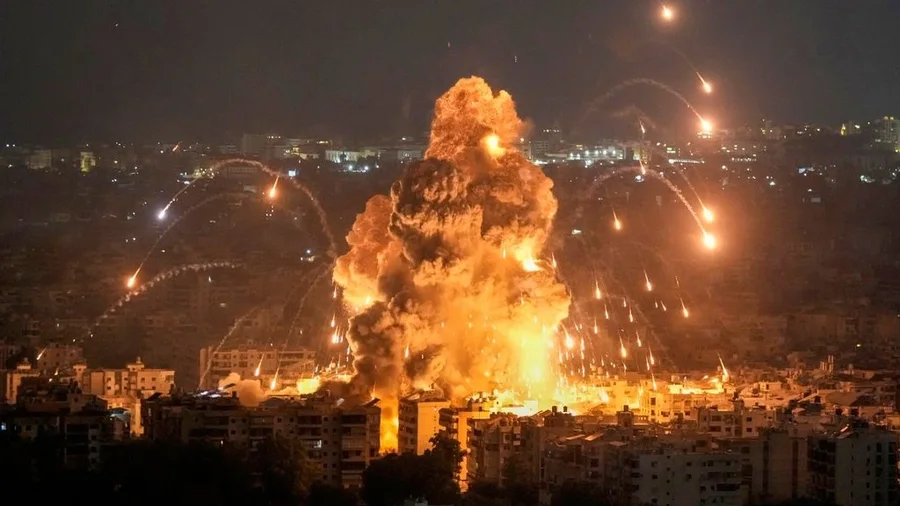
Israel is moving ahead with a new mobilization, bolstering its forces with several more combat divisions on the central front, moving troops from south to north, while threats from both sides of Iran to retaliate predict an escalation in the Middle East.
Meanwhile, international outcry grows over Israeli attacks on the United Nations Interim Force in Lebanon (UNIFIL) that are leaving wounded, while clashes on the Israeli-Lebanese border intensify with the war in the Gaza Strip.
For its part, the Israel Defense Forces maintain that they did not fire on the UN peacekeepers, but opened fire against an "immediate threat" in southern Lebanon.
Foreign media reports that Israel's "response" to Iran is still up for debate, as the Israeli army's Central Command - which is responsible for overseeing military operations in the West Bank - is set to be reinforced with additional combat divisions, according to the Defense Forces Israeli.
The said decision was taken after a recent assessment of the situation, which highlighted the need for an increased military presence in the region.
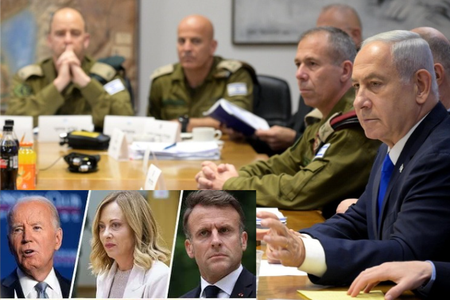
At the same time, according to what an official told CNN, the security cabinet did not make a decision Thursday on how to respond to the missile attack by Iran, but stressed that the gap between the positions of the US and Israel is narrowing.
Background, however, says the reason for the indecision is that there is disagreement mainly over the timing of the attack, while there are suggestions that the attack be delayed for a while, to maintain the element of surprise.
At the same time, according to information, the Ministry of Defense of Israel announced that last night Minister Galand had a telephone conversation with his American counterpart Lloyd Austin, whom he informed about yesterday's decisions of the war council regarding the imminent strike on Iran.
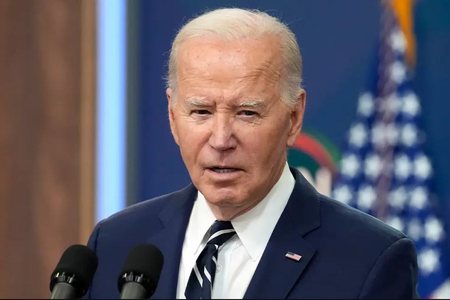
According to the same sources, the US is said to have no particular objection to Israel's response, as long as it does not target Tehran's nuclear program, something President Joe Biden has repeatedly expressed.
Who is Vafik Safa, Israel's new target?
Wafik Safa, a senior Hezbollah official who was reportedly the target of yesterday's Israeli attack in Beirut, has been "seriously wounded" and is in "critical condition," Sky News Arabia reported.
He is the son-in-law of the organization's deceased leader, Hassan Nasrallah.
Safa heads Hezbollah's Liaison and Coordination Unit and has been a key figure in the organization since its founding in the 1980s.
Israeli and Western intelligence officials have long suspected Hezbollah of controlling Beirut's international airport, and in June Safa was involved in alleged operations there, including the storage of Iranian rockets and missiles.
However, Hezbollah and Lebanese authorities denied the newspaper's claim, as well as allegations of influence at the airport, which is officially run by the Lebanese government.
In 2019, the US added Safa's name to a blacklist of people accused of terrorism because it said he orchestrated drug and arms smuggling and was also involved in obtaining foreign passports for Hezbollah operatives. in overseas missions.
For Israel, the BBC reports, Safa has been in the spotlight for a long time. In fact, when in 2008, as part of a prisoner exchange, Hezbollah released two Israeli soldiers it had held for two years, it was Safa who, as the New York Times reported at the time, said their fate "now will be revealed. "Before gestures two coffins.
More than 1,400 people have been killed by Israel's operations in Lebanon since late last month, CNN reported.
Meanwhile, the United Arab Emirates is expressing deep concern as the regional war widens and believes it is imperative for the US to play an effective role in reducing tensions.
The United Arab Emirates is the commercial and tourist center of the Middle East and has strong economic ties with Israel and Iran.
For his part, Iranian President Massoud Pezheskian told the United Nations that his country is willing to work with the West on its controversial nuclear program and said Iran is willing to give up its weapons if Israel does the same.


Lini një Përgjigje