


 Shkruar nga Gloria Rodriguez- Pina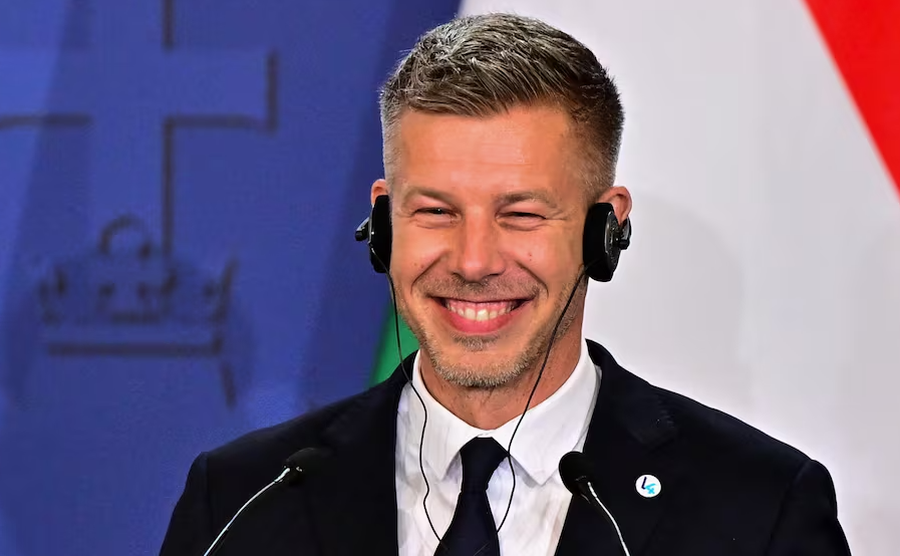
A legal and institutional offensive is attempting to undo the legacy of the 16-year-old autocratic regime in Budapest, while civil society calls for caution and respect for due process...
Hungarian Prime Minister Péter Magyar this week announced the first phase of his offensive against the system of power built over 16 years by Viktor Orbán. The process, which is expected to last for months, has been dubbed Operation “Cleansing Fire.”
In the first phase, the government led by Magyar's party, "Respect and Freedom", widely known by its Hungarian acronym Tisza, will undertake a deep constitutional reform. It aims to enable the dismissal of President Tamás Sulyok and other senior officials who have remained loyal to Orbán, as well as the creation of a special agency for the recovery of state assets.
After the summer, a broad constitutional process is expected to begin, which will culminate in the drafting of a new constitution and a radical reform of the electoral system.
Magyar started the week with a programmatic hour-long speech in the Hungarian Parliament, where he emphatically declared that his vital mission is to "liberate the country from the economic and political mafia."
The conservative prime minister compared the network of influence installed by his predecessor to Italian organized crime in the 1990s, openly mentioning the murders of judges and prosecutors who dared to investigate the mafia at the time. Hungary, he stressed, needs the same iron fist that the Italian government used in that dark period.
The new cabinet's most urgent and pragmatic task is to unblock European Union funds, frozen by Brussels as punishment for Orbán's democratic regression, before several critical deadlines expire in August.
Armed with a parliamentary supermajority and the full legitimacy he won in the April elections, Magyar has set the entire legislative machinery in motion. At the center of this movement is a tough anti-corruption package and the 17th Amendment to the Fundamental Law, a constitution originally written by Orbán himself and amended by him 16 times to suit his interests.
The amendment is open for public consultation until Saturday before going to a final vote. According to the Tisza party, the immediate goal is to restore “those rules that are essential for the functioning of a democracy based on the rule of law,” paving the way for September’s constitutional reform.
However, the procedural haste and high pace of implementation have raised questions and criticism within some segments of Hungarian civil society.
Një nga objektivat kryesorë të qeverisë është largimi i presidentit Sulyok, i cili ka refuzuar çdo presion të Magyarit për të dhënë dorëheqjen. Lideri i ri e konsideron kreun e shtetit si një “kukull” në shërbim të klanit Orbán dhe ka premtuar se vendi do të ketë një president të ri përpara datës 20 gusht.
Sidoqoftë, shkarkimi i një kryetari shteti është një akt politik me ndikim të jashtëzakonshëm dhe pa precedent në historinë moderne të vendit. Rasti i Hungarisë mund të shndërrohet në një precedent referimi për demokracitë e tjera në tranzicion, thotë Márta Pardavi, bashkëkryetare e Komitetit të Helsinkit për Hungarinë, një nga organizatat më të zëshme në mbrojtje të të drejtave civile.
“Hungaria duhet ta bëjë këtë proces në një mënyrë të ligjshme”, thotë Pardavi.
Ajo beson se rrethanat e jashtëzakonshme, ku synohet forcimi i demokracisë, dhe dështimi i dukshëm i Sulyokut për të përmbushur detyrimet e tij kushtetuese e justifikojnë këtë masë drastike.
Megjithatë, organizata e saj po i kërkon qeverisë që mekanizmat e shkarkimit të argumentohen me më shumë qartësi në tekstin ligjor. Edhe Amnesty International ndan të njëjtin qëndrim sa i përket nevojës për largimin e Sulyokut.
Por Áron Demeter, drejtori i fushatave të kësaj organizate, e kundërshton idenë që kjo të bëhet “thjesht duke shtuar një fjali kalimtare në një amendament kushtetues”. “Kushtetuta aktuale tashmë e parashikon një procedurë shkarkimi (impeachment) që mund të aktivizohej”, argumenton Demeter.
Sipas tij, qeveria e Magyarit “ka përgjegjësinë që jo vetëm të jetë efektive në spastrimin e këtyre figurave, por ta bëjë këtë duke garantuar të drejtat maksimale procedurale dhe një proces objektiv e të drejtë”.
Ky qëndrim rigoroz i ka kushtuar organizatës një lumë kritikash dhe sulmesh në rrjetet sociale nga radhët e militantëve. “Qëndrimi mbizotërues mes mbështetësve të Tisza-s është: ‘Nuk na intereson metoda, mjafton t’i hiqni qafe.’ Atyre mund të mos u interesojë forma, por neve po”, thekson Demeter.
Përtej institucionit të presidentit, reforma e propozuar prek edhe zyrtarë të tjerë të niveleve të larta, përfshirë trupën gjyqësore, një tjetër fushë ku po lëvizet në tehun e thikës.
Amendamenti i ri rikthen moshën e pensionit në 70 vjeç për gjyqtarët e Gjykatës Kushtetuese, gjë që automatikisht do të krijojë disa vakanca kyçe, ndërsa zgjeron paralelisht kompetencat e kësaj gjykate.
Po ashtu, për të rritur pavarësinë e sistemit, parashikohet që vetë gjyqtarët të kenë të drejtën të zgjedhin kryetarët e Gjykatës Kushtetuese, Gjykatës së Lartë dhe Këshillit Gjyqësor.
Përmes një letre të hapur, rreth 280 ekspertë të së drejtës, akademikë, gjyqtarë, prokurorë dhe avokatë, argumentojnë se këta zyrtarë “luajtën një rol kyç në konsolidimin e regjimit autokratik” dhe, përmes vendimeve të tyre, “e kanë humbur përfundimisht besueshmërinë”.
Keeping them in office would sabotage any effort to restore the rule of law, experts claim, but they also call for caution, seeking to avoid "manipulative" solutions in favor of transparent processes.
In the context of preventing autocracy, after limiting the prime minister's term to just two legislatures to block a possible return of Orbán, Tisza proposes that members of Parliament also serve no more than three terms.
"This was neither an urgent measure nor part of the electoral promises. Such initiatives require a much broader debate," says Pardavi. The expert also expresses concern about the fact that the amendment remained in public consultation for only five days, while a massive anti-corruption package, presented two weeks ago in Parliament, did not pass this democratic filter at all.
"It's 110 pages of legislation introduced by a single MP and handled with extraordinary haste. This form is very reminiscent of the old methods of Fidesz, Orbán's party," declares the co-chair of the Helsinki Committee.
However, financial pressure remains high. To unblock 16.4 billion euros of frozen EU funds, Parliament approved strict transparency measures on Tuesday.
Among other things, the criteria for declaring the assets of officials and their families have been tightened, while false declarations will be punished with prison sentences.
The new legislation also dissolves the private foundations that Orbán created to control universities, returning the assets to the state, dismisses the heads of public media, and creates an independent financial oversight body.
The fight against rampant corruption is Magyar's "warhorse." According to the prime minister's calculations, the corrupt system of the old elite has cost the country between 8 and 10 percent of its Gross Domestic Product (GDP), or 20-25 billion euros.
For this reason, the constitutional reform foresees the establishment of the National Office for the Recovery and Protection of State Assets. This institution will be completely independent from the government and will report directly to Parliament, a move that, according to Hungarian media, will require the immediate amendment of 47 existing laws. However, these radical measures for regime change enjoy massive support among Hungarian public opinion./ Pamphlet from “El País






Lini një Përgjigje