


 Shkruar nga Pamfleti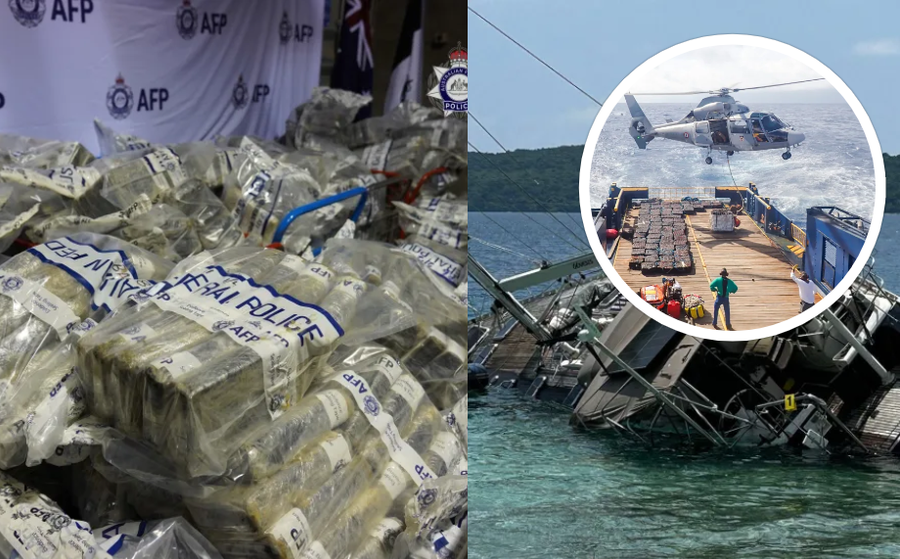
The killing of a suspected member of the Australian Coconut Cartel in Vietnam, the increase in violence on the streets of Sydney and the record seizure of 2.7 tonnes of cocaine show that the fight for control of the drug market in Australia and New Zealand is taking place on several continents...
The fight between criminal organizations for control of the cocaine market in Australia and New Zealand has long transcended the borders of Oceania. It stretches from South America, where cocaine is produced, to the Pacific islands, Southeast Asia and Australian cities, including criminal networks that operate in several countries at once. The murder of a suspected member of the "Coconut Cartel" in Vietnam is the latest example of this phenomenon, according to a CNN analysis.
On May 21, Lorenzo Lemalu, 24, identified by authorities as part of the Coconut Cartel, was leaving a restaurant in Ho Chi Minh City when a man approached him from behind and opened fire. Security cameras show Lemalu trying to leave before collapsing to the sidewalk. He was pulled back inside the restaurant by bystanders, who attempted to provide first aid but were unable to save him. Another person who was with him was seriously injured.
Three days after the attack, Vietnamese authorities announced the arrest of two Samoan nationals near the Cambodian border. State media reported that the two, both in their twenties, had claimed that the attack was organized by someone outside Vietnam. CNN was unable to contact their lawyers or independently verify the claims.
Although the attack took place in Vietnam, the repercussions were immediately felt in Sydney, where a violent conflict has been ongoing for more than a year between criminal organizations fighting for control of the drug trade. According to New South Wales Police, criminal groups are directing operations from outside Australia, while on the ground they use paid individuals to carry out attacks, arson, kidnappings and other acts of violence.
According to criminologist Vince Hurley, a former New South Wales Police detective, the current conflict began in early 2025 between the Coconut Cartel and the Alameddine crime family. He describes the cartel as a group that initially operated as a "paid armed force" for other criminal organizations, but later became embroiled in financial disputes with former associates. The name "Coconut Cartel", he says, was chosen to reverse a historically offensive nickname for Pacific Island communities.
Dhuna nuk është kufizuar vetëm te anëtarët e grupeve rivale. Në prag të funeralit të Lemalu, një person i armatosur me pushkë gjysmëautomatike qëlloi rreth 30 plumba drejt godinës ku ishte planifikuar ceremonia mortore në Sidnein perëndimor. Në atë moment nuk ndodhej askush në ndërtesë, por policia deklaroi se sulmi mund të kishte shkaktuar shumë viktima nëse ceremonia do të ishte zhvilluar sipas planit. I dyshuari për sulmin ishte vetëm 17 vjeç.
Autoritetet australiane thonë se përfshirja e adoleshentëve dhe të rinjve në krimin e organizuar është një nga zhvillimet më shqetësuese të viteve të fundit. Sipas hetuesve, janë arrestuar djem dhe vajza 17 dhe 18 vjeç të dyshuar për pjesëmarrje në komplote për vrasje, mbikëqyrje të objektivave dhe mbajtje armësh. Policia thekson se shumë prej tyre nuk janë besnikë të ndonjë organizate kriminale dhe shpesh nuk e dinë as identitetin e personit që kanë marrë përsipër të sulmojnë. Ata joshen kryesisht nga pagesat e larta për kryerjen e detyrave të caktuara.
Hetuesit u kanë bërë thirrje familjeve të jenë vigjilente ndaj shenjave që mund të tregojnë përfshirje të të rinjve në rrjetet kriminale, si pasuri e pajustifikuar, lëvizje gjatë orëve të vona të natës ose përdorimi i shumë telefonave celularë.
Sipas raportit më të fundit të Zyrës së Kombeve të Bashkuara për Drogën dhe Krimin (UNODC), Australia dhe Zelanda e Re përbëjnë tregun më fitimprurës në botë për kokainën. Në vitin 2024, rreth 4.2 për qind e popullsisë së moshës 15-64 vjeç përdori kokainë, më shumë se dyfishi i nivelit të regjistruar në Shtetet e Bashkuara dhe Evropë. Çmimet shumë të larta të drogës në këto vende krijojnë fitime të jashtëzakonshme për organizatat kriminale dhe nxisin shtimin e dërgesave nga Amerika e Jugut.
Rruga kryesore e trafikut kalon përmes Oqeanit Paqësor. Trafikantët transportojnë kokainën nga Amerika Latine drejt Oqeanisë, duke përdorur ishuj si Fixhi, Ishujt Solomon dhe shtete të tjera të vogla si pika tranziti. Ekspertët e UNODC thonë se organizatat kriminale po shfrytëzojnë gjithnjë e më shumë këtë itinerar, pasi ai tërheq më pak vëmendje sesa rrugët tradicionale drejt Evropës.
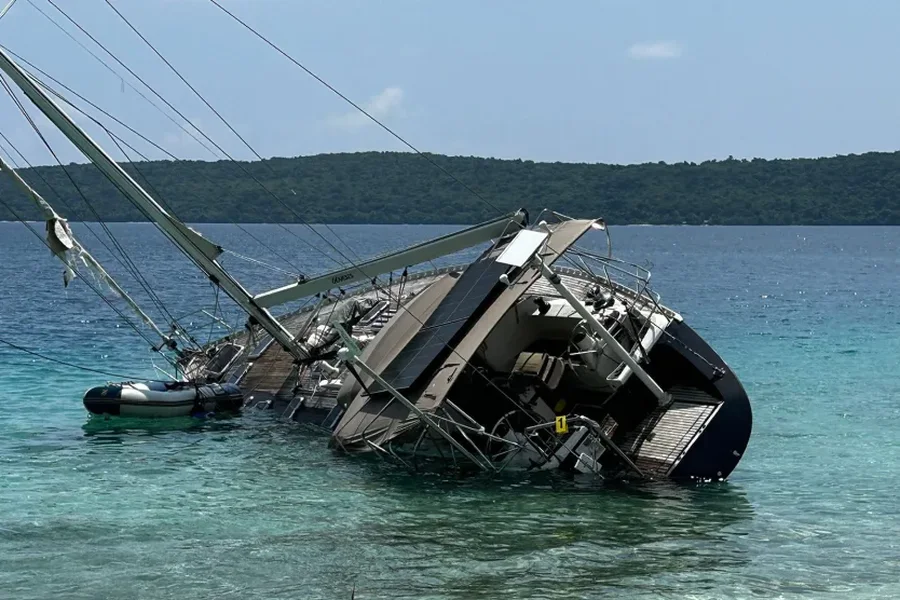
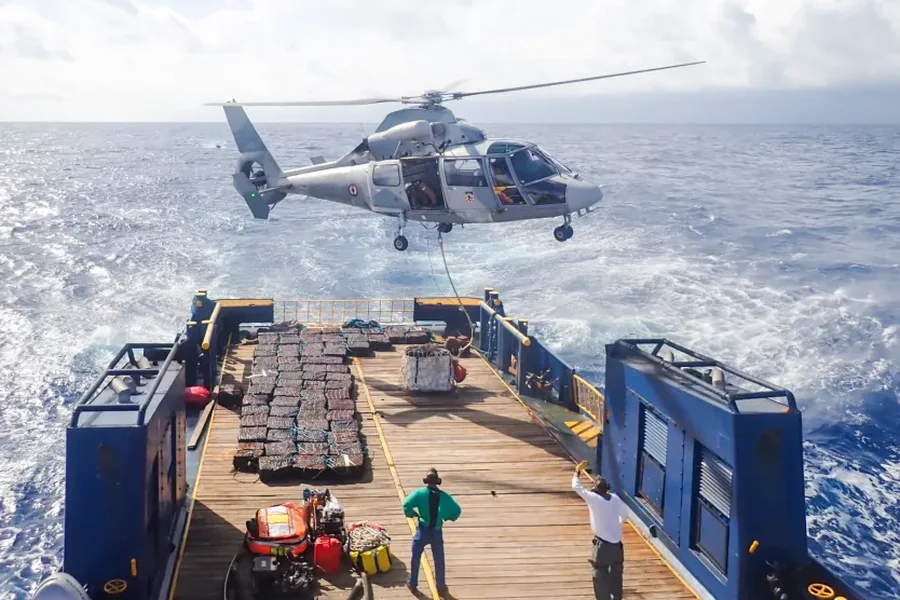
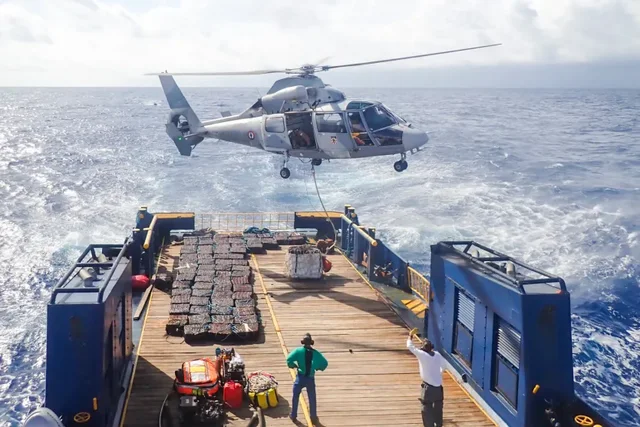
Policia Federale Australiane njofton se vetëm gjatë këtij viti janë sekuestruar 17 tonë drogë në rajonin e Paqësorit, kryesisht kokainë, më shumë se trefishi i sasisë së kapur gjatë gjithë vitit të kaluar. Një pjesë e drogës është zbuluar në anije mallrash, ndërsa raste të tjera kanë përfshirë mjete gjysmë të zhytshme në ujë, të njohura si "narco-subs", të cilat janë më të vështira për t'u zbuluar nga sistemet e mbikëqyrjes.
Megjithatë, autoritetet besojnë se sasi të konsiderueshme droge arrijnë të kalojnë pa u zbuluar. Në Zelandën e Re, analizat e ujërave të zeza kanë treguar nivele shumë të larta të konsumit të kokainës gjatë muajve të fundit të vitit 2025, ndërsa çmimi i metamfetaminës ka rënë, një tregues se furnizimi mbetet i bollshëm.
Experts warn that the impact of these networks is not limited to drug trafficking. International law professor Alexander Gillespie believes that corruption is the most dangerous consequence, as criminal organizations try to bribe customs officials and police officers, especially in small island states with limited economic resources. According to him, these countries are more vulnerable to pressure and bribery.
The arrest of two Samoans for the Vietnam attack has also sparked debate in Samoa. The country's prime minister has said that young people are being used by drug trafficking networks. Criminologist Emma Tufuga, originally from Samoa, says they are recruited through friends, social media and promises of money or a sense of belonging. She stresses that international cooperation should focus not only on cracking down on traffickers, but also on prevention and protecting vulnerable communities.
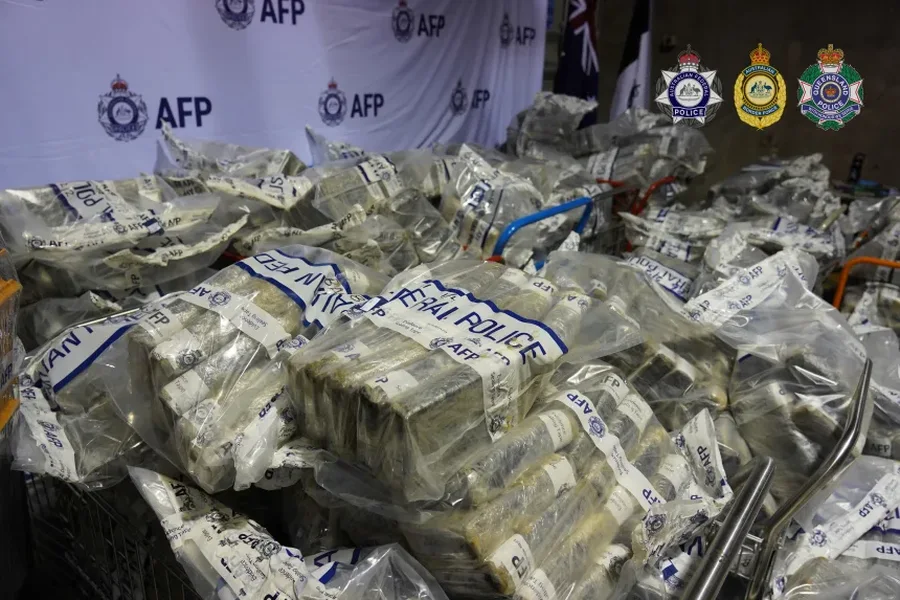
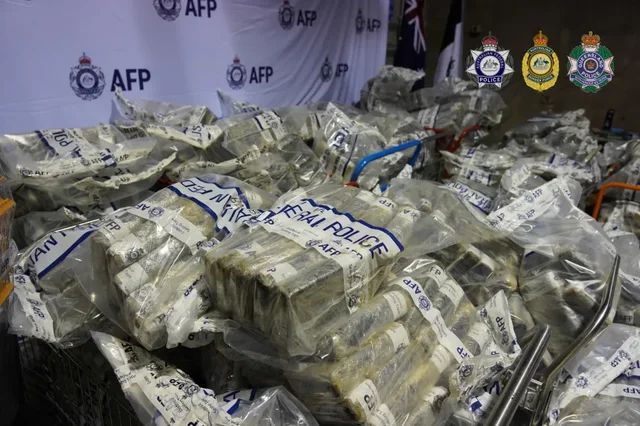
Another major drug bust was reported in Australia this week. Australian federal and state police seized 2.7 tonnes of cocaine, the largest ever seized in the country. The drugs were hidden in plastic containers buried under three shipping containers at a property in Sydney's west. Authorities say the quantity seized would be enough for about three million doses on the street market.
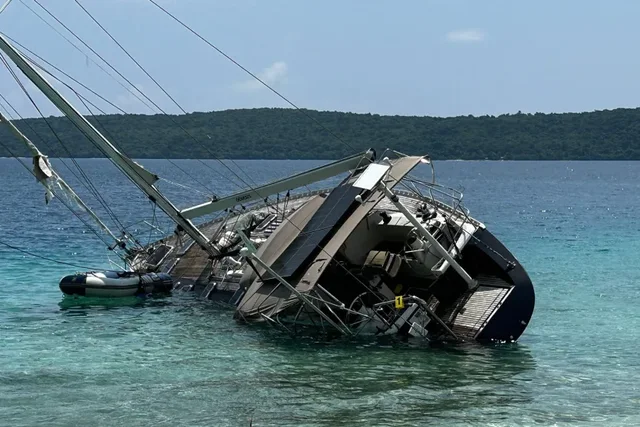
The investigation began after police in Queensland found 40 kilograms of cocaine floating near a boat ramp after a report of a fire in a truck. The trail led investigators to Sydney and then to the Solomon Islands, where local authorities had placed a Belizean-flagged cargo ship under surveillance. After exchanging information with Australian authorities, the ship was stopped and the crew questioned. Australian police are continuing to investigate its route and suspect the cargo was ordered by a Sydney-based crime group. Six people have been arrested so far.
New South Wales Police say the latest crackdown has led to the arrests of local ringleaders, facilitators and people contracted to carry out the attacks. For the first time in a long time, investigators believe they have come to terms with the criminal networks in their fight against them. However, crime analysts warn that the huge financial losses from drug seizures could spark a new wave of revenge between rival organisations. /Adapted from the pamphlet by CNN/





Lini një Përgjigje