


 Shkruar nga Samia Nakhoul , Tuvan Gumrukcu & Ece Toksabay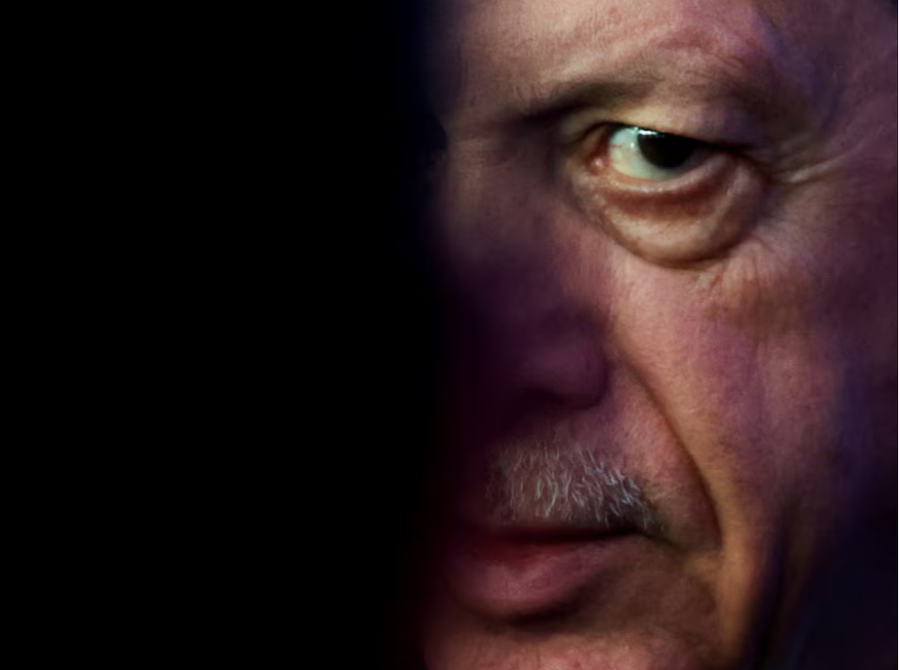
Erdogan's signature on the Gaza document strengthened Turkey's bid for a central role in the Middle East, a status that Erdogan has increasingly sought to reclaim, often invoking Ottoman-era connections and leadership.
Turkey's ties with Hamas, once an obstacle for Washington, have become a geopolitical asset. By convincing Hamas to accept Donald Trump's Gaza deal, Ankara has put itself back on the Middle East chessboard, angering Israel and its Arab rivals.
Initially defying the US president's ultimatum, release the Israeli hostages or face continued destruction, Hamas leaders only gave in when Turkey, a country they consider a political protector, urged them to agree to the US plan.
Two regional sources and two Hamas officials told Reuters that Ankara's message was clear: the time had come to accept.
"This gentleman from a country called Turkey is one of the most powerful in the world," Trump said last week, referring to Turkish President Tayyip Erdogan, after the Palestinian militant group agreed to a ceasefire and a plan for the release of hostages.
"He's a reliable ally. He's always there when I need him."
Erdogan's signature on the Gaza document strengthened Turkey's bid for a central role in the Middle East, a status that Erdogan has increasingly sought to reclaim, often invoking Ottoman-era connections and leadership.
Now, following the deal, Turkey is looking to reap dividends, including on bilateral issues with the US, the sources said.
Sinan Ulgen, director of the Istanbul-based think tank EDAM and a senior fellow at Carnegie Europe, said Ankara's success in getting Hamas to accept Trump's Gaza deal has given it new diplomatic clout at home and abroad.
Turkey, he said, is likely to use its renewed goodwill in Washington to push for progress on stalled sales of F-35 fighter jets, an easing of US sanctions and US assistance in advancing Turkey's security goals in neighbouring Syria.
"If these laudatory statements from Trump translate into lasting goodwill, Ankara could use this moment to resolve some of its long-standing disputes," Ulgen told Reuters.
The diplomatic recalibration between Ankara and Washington, officials said, began during Erdogan's visit to the White House in September, his first in six years.
The meeting addressed unresolved hot spots, including Turkey's attempt to lift US sanctions imposed in 2020 over its purchase of Russian S-400 missile systems, a move that angered Washington and also led to its exclusion from the F-35 program.
Siria ishte një tjetër temë kyçe. Turqia dëshiron të ushtrojë presion mbi Forcat Demokratike Siriane (SDF) kurde të mbështetura nga SHBA-të që të bashkohen me ushtrinë siriane. Ankaraja e sheh SDF-në si një kërcënim për shkak të lidhjeve të saj me PKK-në, të cilën Turqia e përcakton si një grup terrorist.
Kjo shtytje duket se po fiton terren. Komandanti i SDF-së, Mazloum Abdi, konfirmoi një mekanizëm për t'u bashkuar me ushtrinë siriane, një rezultat që Turqia e sheh si një fitore strategjike.
Marrëveshja për Gazën vjen pas rritjes së prestigjit turk. Trump vlerësoi Erdoganin për organizimin e bisedimeve Rusi-Ukrainë në fillim të këtij viti, dhe ndikimi i Ankarasë u rrit pas rënies së Bashar al-Assad në Siri në vitin 2024, ku Turqia mbështeti forcat e opozitës.
Ambicia e Turqisë për të rimarrë një rol dominues në Lindjen e Mesme u kujton disa skeptikëve trashëgiminë e perandorisë Osmane, e cila dikur sundonte pjesën më të madhe të rajonit. Rënia e saj një shekull më parë e la Turqinë moderne të orientuar drejt vetvetes, ndërsa ndërtoi një republikë laike dhe disi të lënë mënjanë diplomacinë rajonale.
Për vite me radhë, Ankaraja nuk ishte pjesë e përpjekjeve të nivelit të lartë për të zgjidhur mosmarrëveshjen izraelito-palestineze, një burim thelbësor i paqëndrueshmërisë rajonale.
Mbështetja e Turqisë për lëvizjet islamiste, duke përfshirë mbështetjen politike dhe diplomatike për Hamasin, udhëheqësit e të cilit ka strehuar, tendosi marrëdhëniet me Izraelin dhe disa shtete arabe, dhe largimi i saj i perceptuar nën Erdogan nga normat e NATO-s e distancoi më tej atë nga paqebërja.
Por për të thyer bllokimin në bisedimet e armëpushimit në Gaza, Trump iu drejtua Erdoganit, duke vënë bast në ndikimin e udhëheqësit turk mbi Hamasin. Zyrtarët turq, të udhëhequr nga shefi i inteligjencës Ibrahim Kalin, e siguruan Hamasin se armëpushimi kishte mbështetje rajonale dhe amerikane, përfshirë garancinë personale të Trump.
Duke angazhuar Erdoganin, Trump i dha Ankarasë rolin që dëshironte si një fuqi dominuese rajonale sunite. Ky veprim shqetësoi Izraelin dhe shtetet rivale arabe, përfshirë Egjiptin, Arabinë Saudite dhe Emiratet e Bashkuara Arabe, të cilat prej kohësh ishin të kujdesshme ndaj ambicieve islamike të Erdoganit, thanë dy diplomatë.
"Erdogani është mjeshtër në zgjerimin e ndikimit të tij, duke shfrytëzuar mundësitë, duke përfituar nga ngjarjet, duke i kthyer ato në interesin e tij dhe duke marrë meritat për to", tha komentatori politik arab Ayman Abdel Nour.
"Padyshim, vendet e Gjirit nuk ishin të kënaqura që Turqia mori një rol udhëheqës në Gaza, por në të njëjtën kohë ata donin që ky konflikt të merrte fund, të shihte një marrëveshje dhe ta shihte Hamasin të mënjanuar."
Ndërsa shtetet arabe kishin të njëjtin interes me Turqinë për t’i dhënë fund luftës, tha analisti libanez Sarkis Naoum, roli më i madh që iu dha Ankarasë ishte shqetësues për ta, duke kujtuar historinë e sundimit perandorak osman mbi shumë vende në rajon.
Turkey's Foreign Ministry and the MIT intelligence agency did not respond to Reuters requests for comment. The U.S. State Department did not immediately respond to a request for comment.
For Hamas, the main concern was that Israel might violate the agreement and resume military operations. Deep mistrust almost derailed the process, regional sources said.
“The only real guarantee,” a senior Hamas official told Reuters, “came from four parties: Turkey, Qatar, Egypt and the Americans. Trump personally gave his word. The US message was: ‘release the hostages, hand over the troops and I guarantee there will be no return to war.’”
Turkey's entry into the talks was initially opposed by Israel, but Trump intervened, pressuring Tel Aviv to allow Ankara's involvement, two diplomats said.
There was no immediate comment from the Israeli foreign ministry.
A senior Hamas official said Gaza's military leaders accepted the ceasefire not as a surrender, but under the overwhelming pressure of relentless mediation, a collapsing humanitarian situation and a war-weary public.
The agreement secured the release of Israelis held hostage during the Hamas attack on October 7, 2023, which killed 1,200 people and sparked an Israeli offensive that has since left over 67,000 Palestinians dead, according to Gaza health authorities.
It remains unclear whether the Gaza deal will ultimately pave the way for a Palestinian state.
Turkey and Arab states, including Qatar and Egypt, say the plan lacks a roadmap towards a two-state solution, a historic Palestinian demand.
Asked about a possible deployment of Turkish troops to Gaza in a post-war scenario and ways to ensure the enclave's security, Erdogan said on October 8 that ceasefire talks were critical for discussing the issue in detail, but the priority was achieving a complete ceasefire, distributing aid and rebuilding Gaza. /Adapted from Reuters/


Lini një Përgjigje