


 Shkruar nga Pamfleti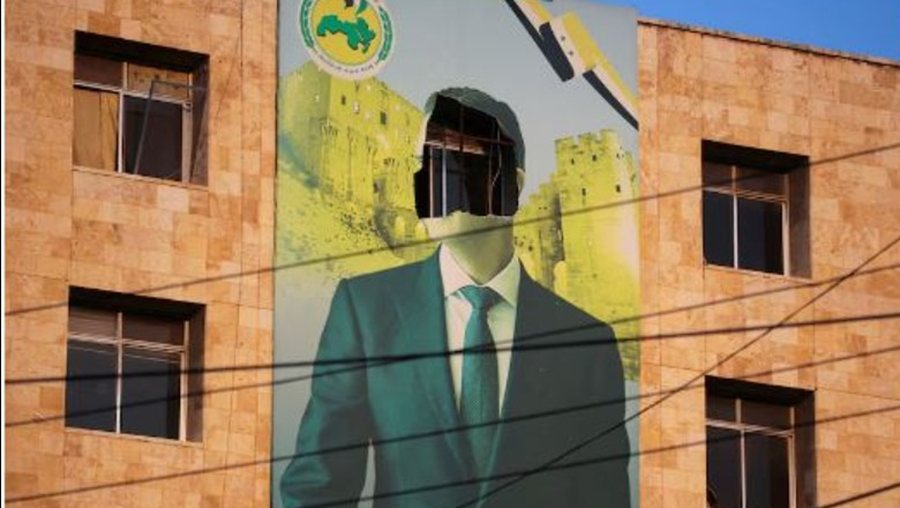
Bashar al-Assad trusted almost no one about his plans to leave Syria as the government collapsed.
Instead, associates, officials and even relatives felt betrayed and kept in the dark, multiple people with knowledge of the matter told Reuters.
Hours before fleeing to Moscow, Assad assured a meeting of about 30 military and security leaders at the defense ministry on Saturday that Russian military support was on the way and called on ground forces to hold out, according to a commander who was present and requested anonymity to speak about the conference. Even the political staff was not informed.
Asad said he was going home
Assad told his presidential office manager on Saturday when he finished work that he was going home, but instead headed to the airport, according to a close aide.
He also called his communications adviser, Butaina Saaban, and asked her to come to his house to write a speech for him, the aide said. He arrived home to find that no one was there.
"Assad did not even make the last stand. He didn't even rally his troops," said Nadeem Khoury, executive director of the regional institute of the Arab Reform Initiative. "He left his supporters to face their fate."
Reuters was unable to reach Assad in Moscow, where he has been granted political asylum. Interviews with 14 people familiar with his final days and hours in power paint a picture of a leader seeking outside help to extend his 24-year rule before relying on deception and secrecy to promote his exit from Syria in the early hours of Sunday.
Most of the sources, who include close associates of the former president, regional diplomats and security sources and senior Iranian officials, requested anonymity so they could freely discuss sensitive issues.
Assad has not notified his brother either
Assad did not even inform his younger brother Maher, commander of the army's elite 4th Armored Division, of his exit plan, according to the three aides. Maher flew by helicopter to Iraq and then to Russia, one of the people Reuters spoke to said.
Assad's maternal cousins, Ehab and Eyad Makhlouf, also stayed behind as Damascus fell to the rebels, according to a Syrian associate and Lebanese security officials. The two tried to drive to Lebanon but were ambushed along the way by insurgents who shot and killed Ahab and wounded Ejad, they said. There has been no official confirmation of the death and Reuters was unable to independently verify the incident.
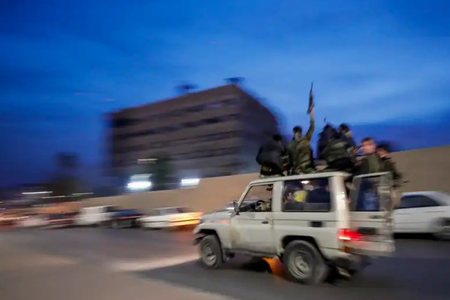
Assad himself left Damascus by plane on Sunday, Dec. 8, flying under radar and with the plane's transponder turned off, two regional diplomats said, evading rebels advancing on the capital. The dramatic exit ended his 24-year rule and his family's half-century of uninterrupted rule, and ended 13 years of civil war.
He flew to the Russian Khmeimim air base in the Syrian coastal city of Lattakia, and from there to Moscow. Assad's wife, Asma, and their three children were already waiting for him in the Russian capital, according to three former close aides and a senior regional official.
Videos showing Assad's residence, which was overrun by rebels and civilians who flocked to the presidential compound after his departure, and posted on social media, suggest a hasty exit, showing oven-baked meals and many of Assad's personal belongings. left behind, like family photo albums.
Russia and Iran: There is no military salvation
There will be no military aid from Russia, whose intervention in 2015 helped turn the tide of the civil war in Assad's favor, or from his other staunch ally, Iran.
That was made clear to the Syrian leader in the days before his departure, when he sought help from various quarters in a desperate bid to hold on to power and ensure his security, according to people interviewed by Reuters.
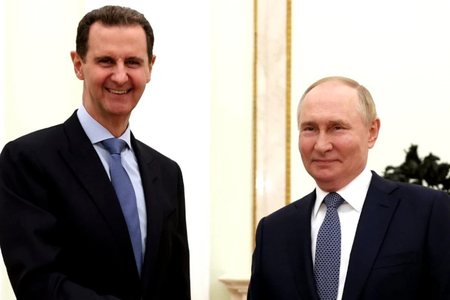
Assad visited Moscow on November 28, a day after Syrian rebel forces stormed northern Aleppo province and entered the country, but his pleas for military intervention fell on deaf ears in the Kremlin, which was unwilling to intervene.
Hadi al-Bahra, head of Syria's main opposition party abroad, said Assad had not conveyed the reality of the situation to his partners in Syria, citing a source in Assad's inner circle and a regional official.
"He told his commanders and aides after his trip to Moscow that military support was coming," Bahra added. "He was lying to them. The message he received from Moscow was negative."
Kremlin spokesman Dmitry Peskov told reporters yesterday, Wednesday, that Russia has made many efforts to help stabilize Syria in the past, but its priority now is the conflict in Ukraine.
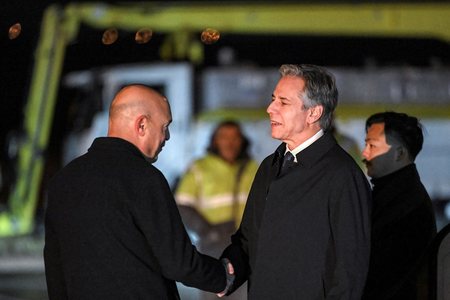
Katër ditë pas atij udhëtimi, më 2 dhjetor, ministri i jashtëm iranian Abbas Araghchi u takua me Assadin në Damask. Në atë kohë, rebelët e Hayat Tahrir al-Sham (HTS) kishin marrë kontrollin e qytetit të dytë më të madh të Sirisë, Aleppos, dhe po shtyheshin drejt jugut ndërsa forcat qeveritare u shembën.
Assad u theksua dukshëm gjatë takimit dhe pranoi se ushtria e tij ishte shumë e dobësuar për të ngritur një rezistencë efektive, tha një diplomat i lartë iranian për Reuters. Por Assad nuk i kërkoi kurrë Teheranit të vendoste forca në Siri, sipas dy zyrtarëve të lartë iranianë, të cilët thanë se ai e kuptonte se Izraeli mund të përdorte çdo ndërhyrje të tillë si pretekst për të shënjestruar forcat iraniane në Siri apo edhe vetë Iranin.
Assadi përballet me rrëzimin e tij
Kremlini dhe Ministria e Jashtme ruse nuk pranuan të komentojnë për këtë artikull, ndërsa Ministria e Jashtme e Iranit nuk ishte menjëherë e disponueshme për koment.
Pasi shteroi opsionet e tij, Assad më në fund pranoi pashmangshmërinë e rënies së tij dhe vendosi të largohej nga vendi, duke i dhënë fund sundimit të familjes së tij që nga viti 1971.
Tre anëtarë të rrethit të brendshëm të Asadit thanë se ai fillimisht donte të ikte në Emiratet e Bashkuara Arabe pasi rebelët pushtuan Alepon dhe Homsin dhe përparuan drejt Damaskut.
Ata thanë se kërkesa e tij u refuzua nga Emiratet, të cilët kishin frikë nga një reagim ndërkombëtar për pritjen e një figure që i nënshtrohej sanksioneve të SHBA-së dhe Evropës për përdorimin e dyshuar të armëve kimike në një goditje ndaj rebelëve, akuza të cilat Assad i hodhi poshtë si të sajuara. Qeveria e Emirateve të Bashkuara Arabe nuk iu përgjigj menjëherë një kërkese për koment.
Por Moska, megjithëse hezitonte të ndërhynte ushtarakisht, nuk ishte gati të braktiste Assadin, sipas një burimi diplomatik rus që foli në kushte anonimiteti.
Ministri i Jashtëm rus Sergei Lavrov, i cili mori pjesë në Forumin e Dohas në Katar të shtunën dhe të dielën, udhëhoqi përpjekjet diplomatike për të garantuar sigurinë e Asadit, duke angazhuar Turqinë dhe Katarin në shfrytëzimin e lidhjeve të tyre me HTS për të siguruar daljen e sigurt të Asadit në Rusi, thanë dy zyrtarë rajonalë.
Një burim perëndimor i sigurisë tha se Lavrov "bëri gjithçka që mundi" për të siguruar largimin e sigurt të Asadit.
Katari dhe Turqia bënë marrëveshje me HTS për të lehtësuar daljen e Asadit, thanë tre nga burimet, pavarësisht pretendimit zyrtar të të dy vendeve se ata nuk kishin asnjë kontakt me HTS, e cila konsiderohet një organizatë terroriste nga SHBA dhe OKB.
Moska gjithashtu u koordinua me shtetet fqinje për të siguruar që një aeroplan rus që po largohej nga hapësira ajrore siriane me Asadin në bord nuk ishte përgjuar apo shënjestruar, thanë tre nga burimet.
Qatar's foreign ministry did not immediately respond to questions about Assad's departure, while Reuters could not reach HTS for comment. A Turkish government official said there was no Russian request to use Turkish airspace for Assad's flight, although he did not say whether Ankara had worked with HTS to facilitate his escape.
Assad's last prime minister, Mohammed Jalali, said he spoke to the then president by phone at 10:30 on Saturday night.
"In our last phone conversation, I told him how difficult the situation was and that there is a huge displacement (of people) from Homs to Lattakia ... that there was panic and terror on the streets," he told the Saudi-owned. Al Arabiya Network this week.
He replied: "Tomorrow we will see", added Jalali. "Tomorrow, tomorrow" was the last thing he said to me.
Jalali said he tried to call Assad again early on Sunday, but there was no answer./Retrieved by "Reuters"





Lini një Përgjigje