


 Shkruar nga Pamfleti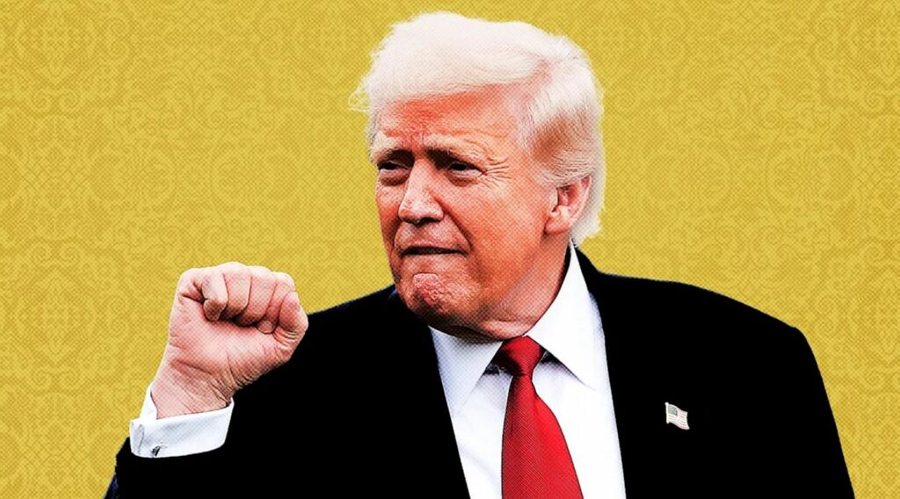
Donald Trump is even less popular in the United Kingdom than Benjamin Netanyahu, according to polls.
However, his ideology, known as Trumpism, is taking root in the island nation. According to observers, that ideology is gaining ground at an alarming rate, especially after last week's protest organized by convicted extremist and nationalist Tommy Robinson, writes La Repubblica.
Under a sea of Union Jack flags, over 150,000 people marched, including workers, ordinary people, former Labour voters and those whom the British media call "forgotten men".
Red hats with the words “MEGA” and “Make England Great Again” were seen at the rally, signaling the birth of a British version of Trump’s slogan. T-shirts with anti-immigration slogans such as “Stop importing, start deporting” were displayed around, as were banners such as “Why are white people despised, even though they pay more taxes?” and slogans such as “Speak English in a call center!”.
Starmer vs. Musk
Saturday's protest has exposed a transatlantic 'toxic soup'.
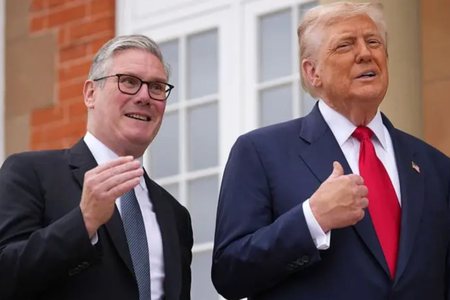
Two days later, Prime Minister Keir Starmer warned the cabinet that “the United Kingdom faces the challenge of our time,” referring to the deep divisions that Robinson’s march had stirred. During the event, Elon Musk linked up by video from the United States, warning Britons that “Violence is coming, fight or die.”
Starmer stated that "the scenes on Saturday, where 26 police officers were injured, and a march led by a convicted criminal, supported by a foreign billionaire who incites violence, were shocking and blood-curdling, particularly for many Britons from ethnic minorities."
He called this "the battle of our era, between a patriotic national renaissance and a toxic decline that aims to divide the country."
Like in America
But can this battle be won? The tragic murder of right-wing American influencer Charlie Kirk in Utah last week has strengthened the bonds between Trumpian factions on both sides of the Atlantic. A sense of martyrdom has grown among a white, anti-immigration, anti-woke, and anti-establishment segment that feels it is being pressured.
The US-UK similarities are numerous, as during the Biden presidency, the anti-immigration movement is growing significantly here, while Starmer's government is criticized for not being able to control the influx of arrivals and deportations. London now has less than half the population of white origin, which is accepted in the capital, but not in the conservative rural areas, where over 95% of the residents are white.
Farage and Robinson, the two faces of the far right
Meanwhile, Nigel Farage, an early Trump ally and the leading figure of Trumpism in Britain, is climbing in the polls with the Reform UK party (40% to Labour's 20%). He is riding the wave of anti-immigration, anti-woke and pro-freedom speech, opposing laws that sanction hate speech on social media.
Meanwhile, common crime, such as shoplifting, is cited by sympathizers as an example of impunity. Platforms like X (formerly Twitter), under Musk's leadership, serve as spaces where "Magic" ideas connect globally.
Farage, however, did not attend the protest. Robinson, whom he despises, and many of the participants were too extreme for him. As the leader of a party that aims to win over moderate voters, he is trying to distance himself from the more radical fringes, even excluding other far-right figures from Reform UK. Analysts see the party as the most serious challenge to the historic hegemony of Labour and the Conservatives.
“Mega” ideas
The Economist asks how “Trumped” Britain is. According to YouGov, only 16% of Britons have a positive opinion of Trump, less than of Netanyahu.
But, according to the magazine, “beyond the person, 'Maga'-style ideas are gaining ground.” Many of the discontents that brought Trump to the White House are also gaining momentum in the United Kingdom.
The Economist has identified 34 questions from the British Election Study that are relevant to the Maga movement, from immigration to international aid, from sports to transgender women to freedom of expression for racists. In 2014, 40% of Britons shared these views. In 2020, they fell to just over a quarter, but today they have reached 36%.
“Supporters are angrier than ever,” the magazine writes. In 2015, Cameron’s government had a +21 approval rating. Today, Starmer’s government has a -44.
Distrust of institutions has reached record levels. In 1986, 40% believed that the government acted in the national interest “most of the time,” while only 12% responded “almost never.” Today, the ratio has reversed.
Freedom to offend
According to The Economist, concerns about online censorship and monitoring of “non-criminal hate crimes” were at the heart of Saturday’s protest, described by organizers as a “free speech festival.” These concerns are widespread. 70% of Britons believe that people are offended too easily.
Support for mass deportations, a typical Trumpian element, has reached 45% this summer. Other “Maga” trends include the rise of anti-vaccine sentiment (which has led to the largest measles outbreak since 2012) and the doubling, since 2019, of those who think Britain spends too much on climate and the environment.





Lini një Përgjigje