


 Shkruar nga Pamfleti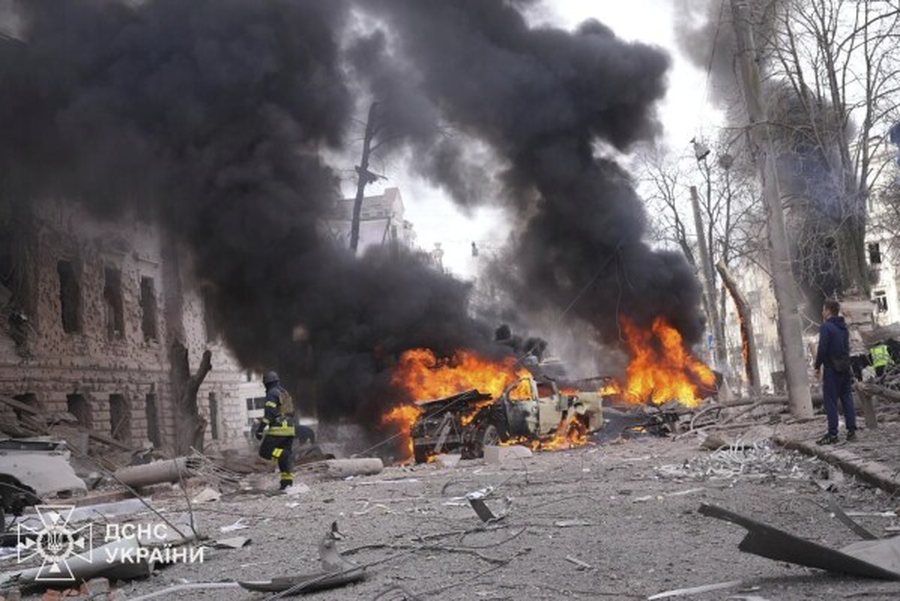
When leaders face major international challenges, history measures them not by slogans, but by consequences...
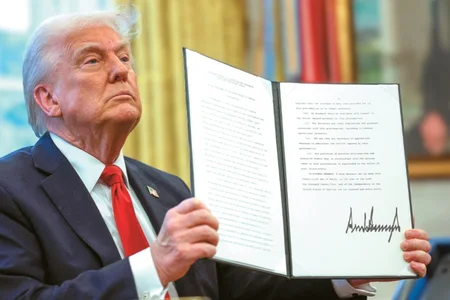
Donald Trump's promise to end the war in Ukraine "within 24 hours" seemed at first like a statement designed to be applauded in propaganda audiences, but the brutal reality of the geopolitics of war mercilessly destroyed it. Not only has the war not stopped, but Russian aggression has intensified at a frightening pace - with bloody bombings, mass displacements and a prolongation of the human tragedy that turns this conflict into an open wound in the international order.
The failure of Trump’s foreign policy has become more visible than ever. Based on recent developments in Ukraine, where a Russian missile attack on the city of Sumy killed 34 people and wounded 117 others – most of them civilians on their way to church to celebrate Palm Sunday – it is clear that Russian aggression is escalating. The attack has been strongly condemned by the international community, including President Zelensky, who has called on Donald Trump to visit Ukraine to see firsthand the destruction caused by Russia.
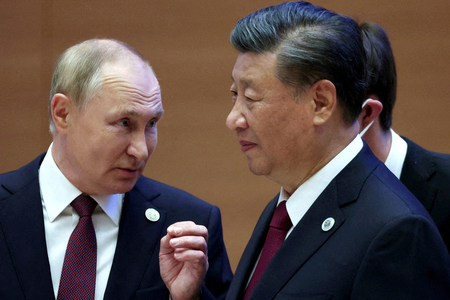
Trump, who once called Vladimir Putin “smart” for his moves in Ukraine, not only failed to stop the Russian offensive, but created an international climate that was silent, uncertain, and tired of lukewarm attitudes. Instead of building trust and unity among Western allies, he divided, relativized, and played on words that gave Moscow room to maneuver.
It is undeniable that one of the most serious effects of his approach is the defocusing of the United States from traditional leadership to the defense of Western values. Trump's speeches, more than diplomacy, had elements of business: he saw conflicts as profit calculations and not as battles for international law. And Ukraine, in this context, became simply a card that could be sold, negotiated, or issued.
Russia sensed this gap and struck harder. This is precisely the great failure: the creation of a global environment where aggression is not punished, but simply negotiated. If today Russian bombs fall on Ukrainian infrastructure, this is also the consequence of a foreign policy that put electoral and personal interest before international solidarity and the rule of law.
Trump turned back the clock. Instead of stopping the war, he created a new climate where borders seem negotiable and violence is permissible. At a time when a moral confrontation with the invader was needed, he gave it space to advance.
And when leaders face major international challenges, history does not measure them by slogans, but by consequences. And history has already begun to speak. / Pamphlet



Lini një Përgjigje