


 Shkruar nga Pamfleti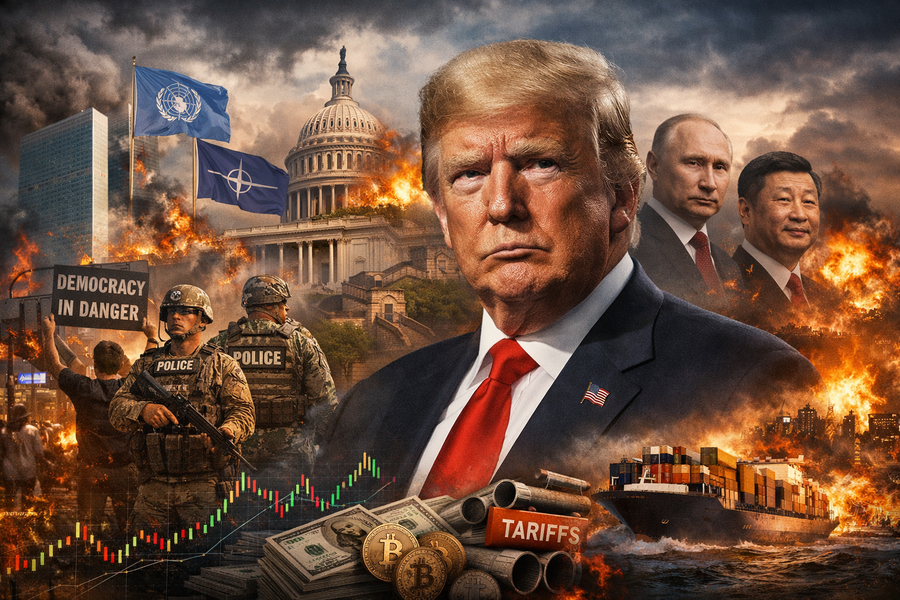
How 2025 marked a dangerous global turning point
In global politics, the year 2025 was the moment when an old order came to an end. President Donald Trump dismantled decades-old norms and institutions as dramatically as he attempted to reshape the White House itself.
His tariffs severely damaged the multilateral trading system. The machinery of international diplomacy, from the UN to foreign aid, was shaken by US funding cuts. Traditional security alliances were transformed into transactional relationships, where US military and economic power was “monetized.”
Domestically, Trump undertook the broadest extension of executive power in a century: soldiers were sent into Democratic-run cities; universities were pressured through threats and funding cuts; the independence of the Federal Reserve was attacked; and the state apparatus was used against the president's opponents.
The dizzying pace and scale of these actions made it difficult to understand where they were leading. Was this a necessary shake-up of a hardened system, or an attack on the basic pillars of American democracy? Was transactional bargaining an innovative way to solve problems, or the triumph of mob methods over long-term strategic wisdom? There was alarm, including from The Economist, about the dangers of protectionism, corruption, the politicization of independent institutions and, as the year went on, a growing concern that the Trump team was not being held to account by the law.
Yet the president’s “Sopranos” style of leadership has also yielded some real successes. Most notably, the Gaza ceasefire, which created the opportunity for a fresh start and justified his much-derided “New York real estate” diplomacy. Pressure on NATO allies has led to increased defense budgets to levels few would have imagined a year ago. And in conflicts between smaller countries, a Nobel Peace Prize-winning president willing to threaten tariffs and twist arms has helped resolve, or at least cover up, some conflicts.
But there were also clear failures. From a strategic perspective, imposing punitive tariffs on India (officially for buying Russian oil) and Brazil (for judging Jair Bolsonaro) made little sense. Both decisions will bring these countries closer to China. Trump made little headway with Vladimir Putin and was outmaneuvered by Xi Jinping. China emerged the clear winner of the 2025 trade showdown.
Fatmirësisht, tarifat nuk e fundosën ekonominë globale. Gjashtë muaj pas “Ditës së Çlirimit”, të ardhurat nga tarifat tregojnë një normë mesatare efektive amerikane pak mbi 10% – shumë më e ulët se sa pritej në prill. Hakmarrja ishte e kufizuar dhe u shmang një luftë tregtare e stilit të viteve 1930. Në vend të saj, vendet bënë marrëveshje dhe importuesit mbajtën pjesën më të madhe të barrës. Ndërkohë, shkurtimi energjik i rregulloreve, entuziazmi për kriptomonedhat dhe vendosmëria për të fituar garën e inteligjencës artificiale ushqyen një bum të jashtëzakonshëm në bursë, duke forcuar një ekonomi çuditërisht rezistente.
Ky bum, i kombinuar me frikën nga ndëshkimi, krijoi një narrativë të njëtrajtshme mes liderëve të biznesit: pavarësisht drejtimit që do të merrte bota, ekonomia amerikane do të lulëzonte. Pak ishin të gatshëm të shprehnin shqetësime, dhe sigurisht jo publikisht.
Me rendin e vjetër të rrënuar, konturet e botës së re do të bëhen më të qarta në vitin 2026, në tri fusha kryesore. E para lidhet me të ardhmen e demokracive liberale perëndimore. Zgjedhjet afatmesme në nëntor do të përcaktojnë nëse SHBA rrezikon seriozisht një rrëshqitje drejt kuazi-autokracisë. Nëse demokratët marrin kontrollin e Dhomës së Përfaqësuesve, do të ketë një frenë reale ndaj administratës Trump. Historia sugjeron se kjo është e mundshme, por këto nuk janë kohë normale: demokratët janë edhe më pak popullorë se Trump, dhe ekziston rreziku real i ndërhyrjes në procesin zgjedhor.
Në anën tjetër të Atlantikut, viti 2026 do të tregojë nëse populistët nacionalistë të stilit MAGA janë pranë pushtetit në ekonomitë më të mëdha të Europës. Në Britani, ku partia Reform UK e Nigel Farage kryeson në sondazhe, zgjedhjet vendore do të tregojnë nëse kjo epërsi përkthehet në vota reale dhe në perspektivën e një kryeministri si Farage. Në Francë, historia e afërt sugjeron një tjetër rrëzim qeverie, që do të çonte në zgjedhje parlamentare dhe ndoshta në Jordan Bardella si kryeministri i parë i së djathtës populiste. Në Gjermani, do të shihet nëse “muri mbrojtës” kundër së djathtës ekstreme mund të qëndrojë.
Fusha e dytë është gjeopolitika. Në vitin 2026, transaksionalizmi trumpian do të shndërrohet në një përzierje të çuditshme paqebërjeje të paqëndrueshme, ndërhyrjeje të fortë në “oborrin e pasmë” amerikan dhe pazareve oportuniste për zinxhirët kritikë të furnizimit. Dëshira e Trump për Nobelin do ta mbajë të angazhuar në Lindjen e Mesme: ai do të pengojë rikthimin e Izraelit në luftë të plotë në Gaza dhe do të shtyjë për një falje për Benjamin Netanyahun, ndoshta edhe për një dalje politike të butë. Trump mund të luajë rolin e paqebërësit edhe gjetkë, sidomos aty ku mund të nxirren marrëveshje për minerale të rralla. Por përballë kokëfortësisë së Putinit, SHBA do t’ia lërë fatin e Ukrainës Europës, e cila, e përqendruar te rritja e së djathtës populiste, mund të dështojë në këtë përgjegjësi.
The clearest signals about the direction of American foreign policy will come from Asia and Latin America. In Asia, be prepared for Trump’s desire to do business with China to lead to a dangerous erosion of support for Taiwan. American strategic ambiguity could turn into studied indifference, especially if a weakening American economy makes a major trade deal with Beijing all the more necessary.
In the Western Hemisphere, by contrast, expect a tough use of American power: support for ideological allies like Javier Milei in Argentina and Nayib Bukele in El Salvador, coupled with open pressure on ideological opponents. Expect regime change efforts in Venezuela and interference to influence elections, for example in Colombia. Harshness in Latin America will serve a president who wants to appear tough on immigration, crime, and drugs.
The third area of clarification will be the economy. Even if there is no major market correction, rising stock prices will not support confidence as they did in 2025. Nor will the transformative impact of artificial intelligence on productivity appear as quickly as enthusiasts hope. The damage from tariffs will become more visible, the pressure on consumers more severe, and the unsustainability of the US budget deficit clearer. Trump’s choice as the next head of the Federal Reserve will show whether the central bank’s independence is over. Given the problems of other rich countries, a mass flight from the dollar is not expected. But by the end of 2026, the US economy may no longer look so extraordinary.
Paradoxically, this could be a good outcome. A weaker economy would boost Democrats’ chances of retaking the House of Representatives and restoring some checks and balances to American democracy. Worried financial markets could also curb the more blatant constitutional adventures of the White House revolutionaries. And a weaker economy could push Trump himself toward more pragmatism. Perhaps it’s time for some brave businessman to say out loud that, for America’s long-term health, a few short-term bumps in the road wouldn’t be a bad thing. / Adapted from “The Economist”







Lini një Përgjigje