


 Shkruar nga Pamfleti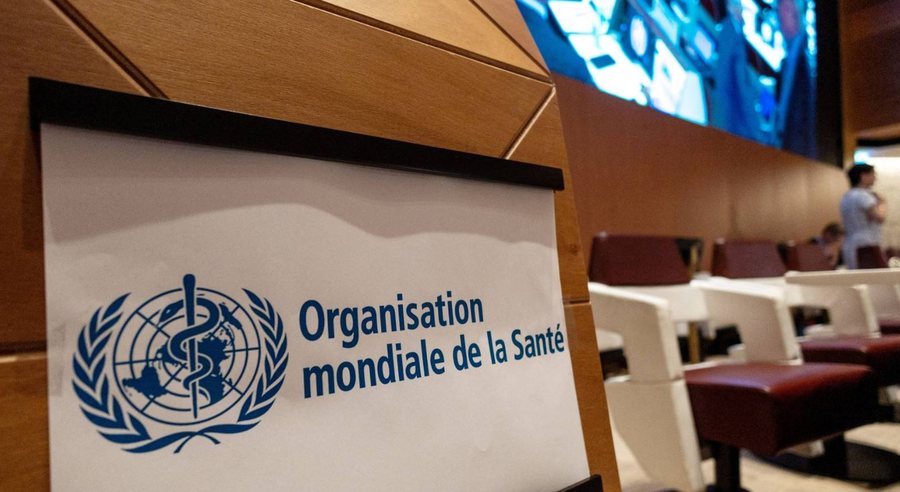
The World Health Organization (WHO) has officially adopted its first global agreement on pandemics, a historic moment in international public health cooperation.
The decision was taken by consensus during the 78th World Health Assembly in Geneva, after more than three years of negotiations that followed the profound consequences of the COVID-19 pandemic. In the committee's preliminary vote, 124 countries voted in favor, none against, and 11 abstained.
The agreement aims to improve the coordinated global response to health emergencies, ensuring fair and equitable access to vaccines, treatments and diagnostics. It also establishes mechanisms to strengthen health systems and improve international transparency in times of crisis.
WHO Director-General Dr. Tedros Adhanom Ghebreyesus hailed the decision as a “victory for public health, science and multilateral cooperation”, stressing that “we must not allow our worlds to remain vulnerable to future crises”.
The president of this year's Assembly, Teodoro Herbosa, described the agreement as a "once-in-a-lifetime opportunity" to benefit from the lessons of the pandemic and guarantee equality in access to life-saving tools.
The document reaffirms national sovereignty, clarifying that the WHO has no authority to impose domestic policies such as lockdowns or vaccination mandates.
Further negotiations are expected to establish an international Pathogen Access and Benefit-Sharing (PABS) system, which aims to ensure fair and timely exchange of biological materials and related benefits during potential outbreaks.







Lini një Përgjigje