


 Shkruar nga Pamfleti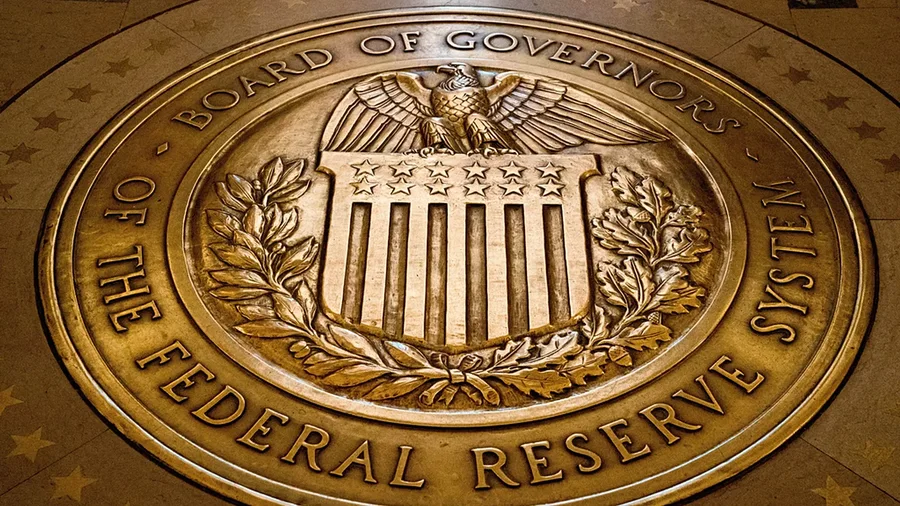
The United States Federal Reserve today cut its benchmark interest rate by 0.25 percentage points, bringing it to a range of 4.00%–4.25%. The decision came after months of pressure on the central bank to ease monetary policy, at a time when the US economy is showing signs of slowing and inflation remains above the official target. This is a first step towards a new easing cycle, as the Fed signaled that two more gradual cuts are expected in the coming months.
The decision has not been without internal tensions. Stephen Miran, a newly appointed member of the Fed board and supported by President Trump, has called for a more aggressive half-point cut, considering the economic situation too severe. This difference in approach further fuels debates about the politicization of the Federal Reserve, at a time when its independence is seen as key to global financial stability.
According to central bank officials, the risk of rising unemployment is real, but the decline in inflation is expected to come gradually. For American citizens, this decision means partial relief on mortgages and loans to businesses, although the full effects will be felt with a delay. In sectors such as credit cards or consumer loans, high rates may remain for a while.
The reaction of financial markets has been positive. The major indices rose slightly, while the dollar lost some of its strength against other currencies, reflecting expectations that this is just the beginning of a new cycle of declines.
This Fed decision is of global importance, as US rates directly affect global financial markets and international borrowing costs. For small countries like Albania and the Balkan states, a gradual reduction in US rates could mean easier external financing and less pressure on local currencies.








Lini një Përgjigje