


 Shkruar nga Pamfleti
After five months of war, the US administration is trying to create space for diplomacy, but Iran shows no signs of backing down. Meanwhile, any alternative to Donald Trump seems to come with ever-increasing political, military and economic costs.
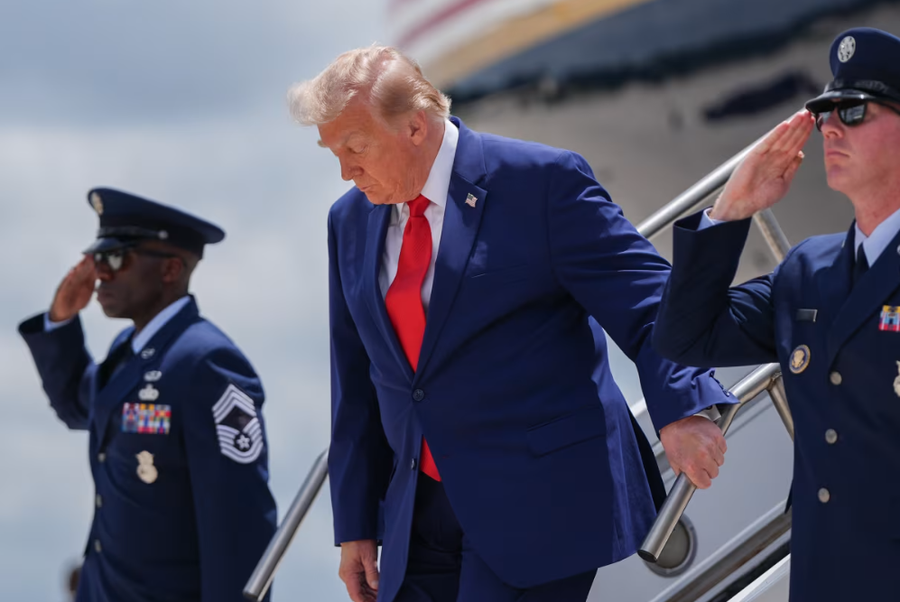
US President Donald Trump has once again reached a turning point in the confrontation with Iran. However, each time the US administration reaches such a moment, the room for action seems to narrow, while the price of each decision becomes higher.
The White House said Sunday that the pause in airstrikes, now for a third night after 13 nights of nonstop bombing, was intended to create an opportunity for diplomacy. At the same time, the administration warned that US forces remain "fully prepared" if the situation escalates again.
There are some signs that diplomatic contacts are taking place. Iran announced that it has held talks with Oman at the level of deputy foreign ministers in recent days. However, there is no indication so far that the Islamic Republic is ready to change its position on the issue that caused the latest clash with Washington: its insistence on controlling shipping in the Strait of Hormuz.
Iranian Foreign Ministry spokesman Esmaeil Baghaei stated that there are currently no talks with the US and that Tehran "will never allow the United States to determine the time of war and peace."
Trump is once again facing the same dilemma. He has tried to force Iran to make concessions by intensifying military pressure, but this strategy has not produced the desired results, just as in previous phases of the conflict.
An alternative would be to escalate the war further by committing American ground troops, taking advantage of U.S. military superiority. However, such a step would carry a high risk of significant U.S. casualties and would deepen a conflict that has already become deeply unpopular with the American public.
Five months after declaring that the war would only last a few weeks, Trump continues to look for ways to create more room for maneuver against Tehran. But according to a CNN analysis, each move appears to only further limit his options.
At the same time, political pressure is increasing.
Rritja e çmimeve të naftës javën e kaluar ka rritur shqetësimet për një rritje të kostos së karburanteve në SHBA, duke ushqyer pakënaqësinë e shumicës së amerikanëve që kundërshtojnë luftën. Edhe pse çmimi i naftës Brent ra me më shumë se 6% të hënën pas pauzës së bombardimeve, pasiguria në tregjet energjetike mbetet e lartë.
Situata është komplikuar edhe më shumë nga kërcënimet e rebelëve Huthi të mbështetur nga Irani në Jemen ndaj rrugëve alternative të transportit të naftës përmes Detit të Kuq. Ndërkohë, rezervat globale të naftës po afrohen niveleve kritikisht të ulëta, duke shtuar frikën për një krizë më të gjerë energjetike.
Të gjitha këto zhvillime ndodhin ndërsa zgjedhjet afatmesme në SHBA po afrohen dhe republikanët e Trump përballen me një garë të vështirë.
Edhe brenda administratës amerikane po shtohen rezervat.
Sipas CNN, zëvendëspresidenti JD Vance dhe kryetari i Shefave të Shtabit të Përbashkët, gjenerali Dan Caine, shprehën shqetësime gjatë një takimi në Shtëpinë e Bardhë për rrezikun e zgjerimit të konfliktit. Caine ngriti shqetësimin se përshkallëzimi i luftës mund të ndikojë seriozisht në rezervat amerikane të municioneve.
Po ashtu, CIA dhe Agjencia e Inteligjencës së Mbrojtjes kanë vlerësuar se bombardimet amerikane kanë pak gjasa ta detyrojnë Iranin të ndryshojë pozicionin e tij në negociata.
Një konflikt pa rrugëdalje
Administrata Trump ka ende disa alternativa, por asnjëra prej tyre nuk duket bindëse.
Një mundësi do të ishte zgjerimi i bllokadës ekonomike ndaj porteve dhe anijeve iraniane për të kufizuar financimin e qeverisë iraniane dhe Gardës Revolucionare. Megjithatë, një strategji e tillë do të kërkonte javë ose muaj për të dhënë rezultat dhe nuk ka garanci se do të ndryshonte llogaritjet e Teheranit.
Për më tepër, Irani ka të ngjarë të përgjigjej duke rifilluar sulmet ndaj cisternave tregtare në Ngushticën e Hormuzit, çka do të rriste më tej pasojat ekonomike globale dhe presionin politik mbi administratën amerikane.
Një tjetër mundësi do të ishte rikthimi te memorandumi i mirëkuptimit që solli një armëpushim të përkohshëm. Por Irani nuk pritet të pranojë një marrëveshje të re pa siguruar atë që konsideron të drejtën për të rregulluar dhe përfituar financiarisht nga trafiku detar në Ngushticën e Hormuzit.
Për SHBA-në, pranimi i një kërkese të tillë do të përbënte një tërheqje politike, pasi rruga detare ishte e hapur përpara nisjes së luftës. Një kompromis i tillë do ta ekspozonte Trump ndaj kritikave nga republikanët që mbështesin një linjë më të ashpër ndaj Iranit.
Në Uashington po shtohen zërat që kërkojnë një strategji të re.
Senatori republikan Bill Cassidy deklaroi se presidenti duhet të nisë një debat kombëtar me qytetarët dhe Kongresin për të gjetur një rrugë tjetër përpara.
Ai tha se shpreson për një zgjidhje që nuk i jep Iranit kontroll mbi Ngushticën e Hormuzit dhe që nuk e detyron SHBA-në të shpenzojë "dhjetëra miliarda dollarë në një konflikt që deri tani nuk ka dhënë rezultatet e pritshme".
"We need something different," Cassidy said.
However, according to CNN's analysis, this is precisely the US president's main dilemma. After five months of war, no one has presented a credible alternative that could change the course of the conflict.
The administration entrusted the US ambassador to the UN, Mike Waltz, with the task of explaining the new strategy in television interviews on Sunday.
Waltz stated that Iran should take seriously Trump's warning that the US is "fully prepared" and that all options remain on the table.
He also argued that Iran is "isolated diplomatically, economically and militarily weakened" , adding that Washington is negotiating from a position of strength.
However, the analysis notes that the asymmetric nature of the conflict still gives Iran the opportunity to cause major global consequences. As long as Tehran is able to threaten commercial shipping with drones and missiles in the Strait of Hormuz, it can directly affect the global economy and increase political pressure on the United States.
At the same time, the survival of the Iranian regime, despite the death of Supreme Leader Ali Khamenei, reinforces the perception that Tehran continues to resist the American superpower.
Even domestically, the war continues to be a political burden for the Trump administration.
A new CBS News/YouGov poll shows that only 31% of Americans say they have a clear understanding of the situation in the Strait of Hormuz. Only 40% believe the US has the upper hand in the conflict, while 76% think the war with Iran has turned out to be much more difficult than the administration had anticipated.
However, Mike Waltz insists that history will judge Trump's effort to prevent Iran from obtaining nuclear weapons, even if this objective has proven more difficult than anticipated.
For months, Donald Trump has been trying to force Iran to make concessions without involving the US in a ground war similar to the long-running conflicts in the Middle East, which he had criticized during the election campaign.
But experience so far shows that the war may not be won within the limits that the US administration itself has set for military action. Any new step towards escalation risks returning the president to the same strategic dilemma, while there is still no clear path towards a peace agreement that would meet Washington's objectives.
The situation for Trump is increasingly taking on the characteristics of a conflict where there is no favorable solution. Every alternative carries high costs, while the path to peace remains unclear.


Pse nuk thoni qe kostot e Luftes me Iranin po i paguan tere Bota si pasoje e tekave te Trump dhe Izraelit rritja e çmimit te naftes rritje artificiale e kostos se jeteses ne tere Boten pasi nafta ndikon ne rritjen e çdo çmimi qe nga ushqimi , transporti buqesia e kudo
Ketij duhet me i kendu ate gallaten ne kohen e Dulles per PPSH, 40 vjet lufte me imperializmin as nje fitore asnje barazim.